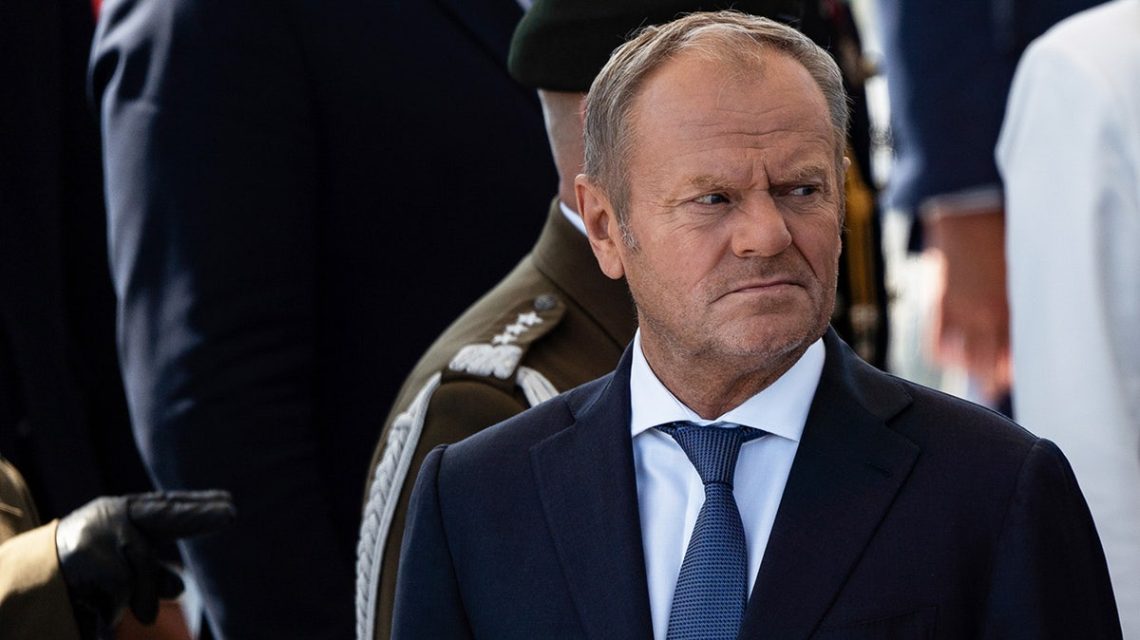
Recent events in Poland have sparked significant controversy and debate over the country’s judicial system and its alignment with constitutional norms. A late-night conflict at Poland’s Constitutional Tribunal brought riot police and protesters to the scene, leading President Karol Nawrocki to halt his trip and return to Warsaw. This has reignited questions about Prime Minister Donald Tusk’s intentions—whether he is restoring the rule of law or overreaching constitutional boundaries.
The situation escalated when the tribunal announced that its president, Bogdan Święczkowski, was suspended. Proponents of Tusk’s government view this action as crucial for judicial independence. In contrast, critics see it as an unconstitutional seizure of power. Marcin Przydacz, head of the International Policy Bureau in Nawrocki’s office, criticized Tusk’s actions on European television, stating, “Even lawyers supportive of the Tusk government claim there is no legal justification for these actions.”
Diplomatic repercussions followed, as three Polish ambassadors resigned in protest. Przydacz, previously a parliament member of the now-opposition Law and Justice (PiS) party, explained that Poland’s permanent representative to the U.N., Krzysztof Szczerski, resigned, alongside the ambassadors to China and Romania over the weekend.
Simone Rodan-Benzaquen from the Foundation for Defense of Democracies noted that this conflict has deep roots, having affected Poland’s Constitutional Tribunal for over a decade. Judges have been appointed under the Polish constitution, but obstructions have prevented many from assuming office, creating a persistent standoff between the government, presidency, and tribunal.
Rodan-Benzaquen argued that the crisis involves more than Tusk attempting to control an independent court pre-election. It reveals a substantial institutional crisis predating his government. The recent escalation followed Judge Anna Korwin-Piotrowska’s decision to suspend Święczkowski and his deputy, leading to protests outside the tribunal and prompting President Nawrocki to cancel a trip.
Nile Gardner from the Heritage Foundation labeled the events a crisis for Poland and an attempted coup by Tusk. He described it as resembling Soviet-style tactics, accusing Tusk of undermining the tribunal while Nawrocki was abroad.
Boštjan Udovič from the University of Ljubljana rejected the coup label, suggesting the dispute revolves around restoring judicial practices that critics of the previous PiS government viewed as inconsistent with both Polish and European legal standards. Tusk aimed to align the judicial system with constitutional and international requirements, suggesting that the transition was expected to be smoother.
Tusk defended his government’s measures as necessary for reinstating the rule of law, asserting that the president and tribunal improperly blocked parliament-elected judges from their roles. Tusk highlighted that resolution lies in the president accepting parliament’s legally elected judges, warning that choosing confrontation may harm Poland.
Concerns extend beyond Poland. The European Commission supports Poland’s parliamentary power to appoint judges. Yet, French opposition leader Marine Le Pen criticized the perceived double standard in Brussels, stressing the importance of defending democracy consistently throughout the EU.
The dispute poses questions about Poland’s stability. U.S. Ambassador to Poland, Tom Rose, voiced concern for Poland’s democratic path, urging restraint and collaboration.
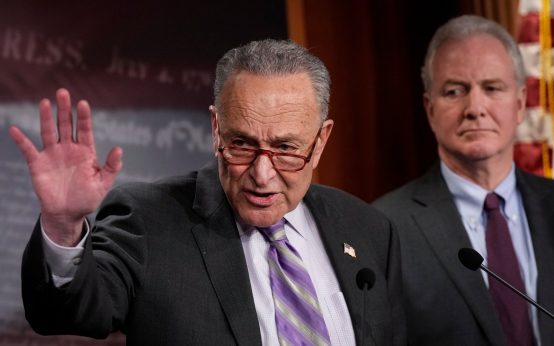 Chuck Schumer Faces Potential Leadership Challenge from Chris Van Hollen
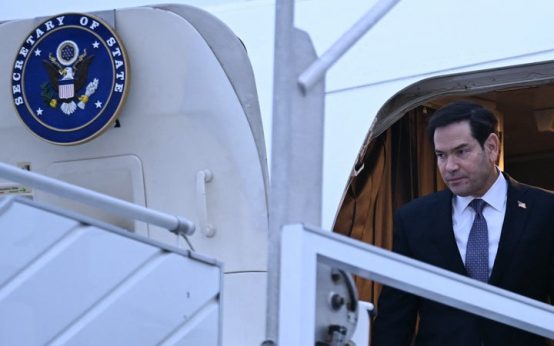 G7 Foreign Ministers Discuss Global Crises Amid U.S. Political Changes
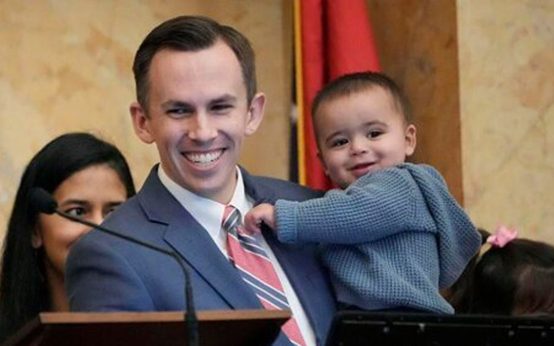 Mississippi State Auditor Shad White Announces Gubernatorial Bid
 Trump Dismisses Third Impeachment Prospects
 Custody Dispute Involving Rep. Max Miller Delayed
 Attorney General Addresses Post-Midterm Democratic Threats