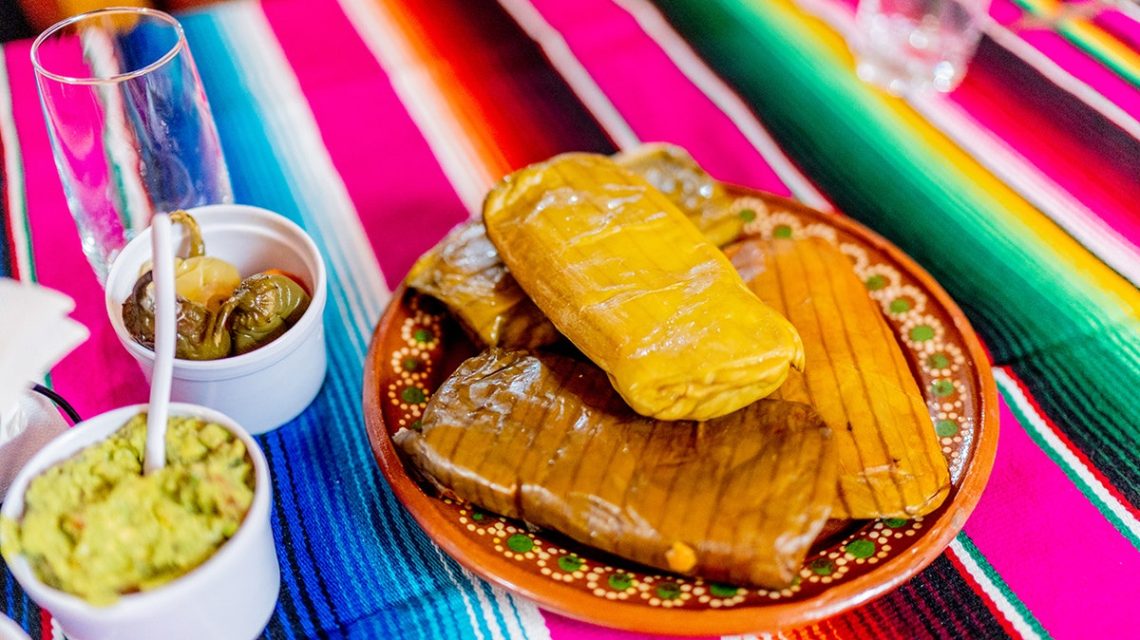
The tamale was once a common sight on the menus of Mexican restaurants in the United States, frequently found alongside tacos, burritos, and enchiladas. However, diners may find it increasingly difficult to locate the dish. Data from Technomic’s Ignite Menu shows that tamale entrées have fallen by 7.8% on menus over the past five years, comparing the second quarters of 2021 and 2026.
Labor-Intensive Preparation
The decline in tamale offerings may stem from the labor-intensive nature of its preparation, despite diners expecting affordable pricing. Robert Mahon, director of operations for Mahon Hospitality Group, operates Amor Loco and Toro Loco in New York City. Although Mahon enjoys tamales and has considered adding them to his menus, he highlights the labor challenges involved. According to Mahon, the ingredients may not be highly expensive, but the labor involved makes the dish costly.
“Even though the ingredients might not be so costly, it’s more the labor,” Mahon said.
The laborious preparation process is evident at Taquería Picoso in Alexandria, Virginia. Executive chef Elio Gomez maintains tamales on the menu, noting that the dish takes about three days to prepare. This process involves sourcing corn from Mexico, undergoing an overnight nixtamalization process, grinding corn into masa, and preparing fillings and banana leaves separately. The masa requires mixing with fat, broth, and salt, followed by aeration, before assembly, careful wrapping, and cooking. Training staff to master this process takes significant time.
Gomez shared that months were spent with the employee who now makes tamales. Even with a recipe, cooks need to understand the texture of the masa and the correct wrapping technique to prevent drying during cooking.
Demand and Pricing
While tamales are labor-intensive, their demand is not comparable to tacos. Gomez acknowledges that tamales do not attract taco-level interest. Mahon also confirms that tamale absence does not deter customers, as it is no longer expected as a staple dish.
“They’re not walking out of our restaurants if they don’t have a tamale,” Mahon mentioned.
Pricing presents another challenge. Gomez prices his tamales at $6, considering this reasonable given the effort involved. Nonetheless, customers often recall cheaper versions, complicating the pricing strategy.
Despite the decline in restaurant presence, tamales remain popular. Gomez, who grew up in Mexico City, recalls tamales being an everyday breakfast food sold by street vendors. Currently, in the U.S., tamales gain recognition as a special dish linked to holidays and family gatherings.
Gomez describes the masa’s fluffy texture and the comforting richness of the dish. He evokes the comforting nature of the tamale, akin to receiving a hug while eating the dish.
Peter Burke, a lifestyle editor at Fox News Digital, covers various lifestyle topics, with a focus on food and drink.
 Lymphatic Drainage and Ice Sculpting: Emerging Wellness Trends
  Chef Brian Landry and the Rhythms of Bayou Bar
  The Rising Trend of GLP-1 Medications Among College Students
  Wendy’s Reintroduces Yellow Packaging as Nostalgic Comeback
  A Senior’s Journey to Sobriety and Independence
  New Food and Beverage Options for Chicago Bears Games