The Return of Public Flogging by the Taliban
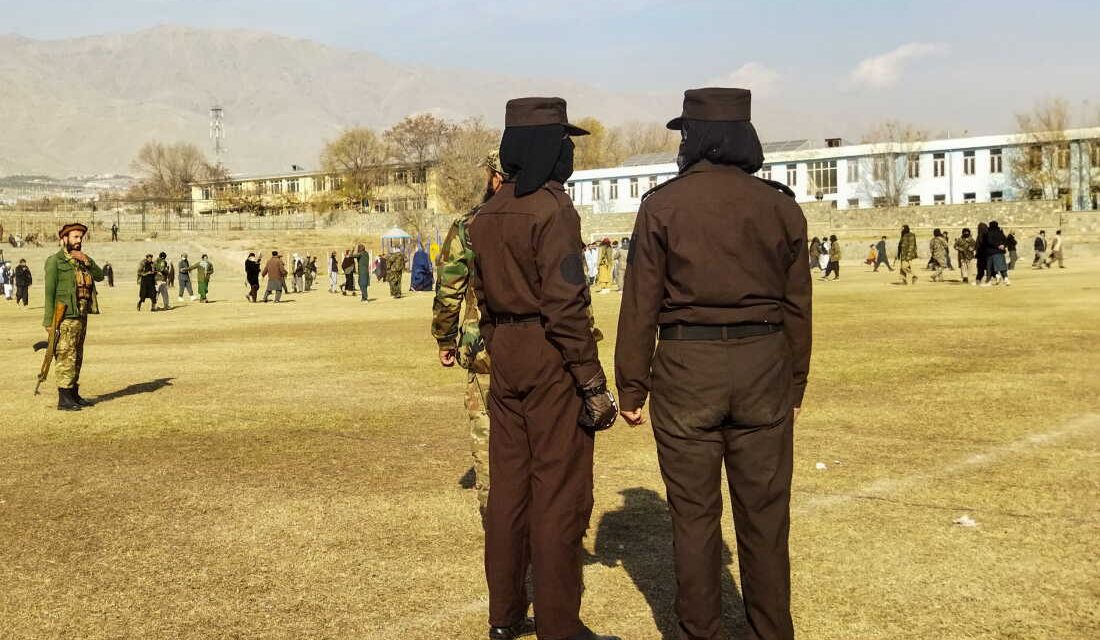
On December 8, 2022, Taliban security personnel stood guard as 27 individuals faced punishment at a football stadium in Charikar city, Parwan province. This event occurred in front of a large crowd, reflecting the Taliban’s position that public flogging and stoning are suitable punishments for perceived violations. Offenses such as allowing girls to attend school, despite the ban on female secondary education, exemplify these perceptions.
Increasing Use of Violent Punishments
The Taliban’s supreme leader, Hibatullah Akhundzada, reaffirmed the group’s commitment to such punishments in March 2024. He announced a return to these measures in their justice system, stating in an audio message that women would face public flogging and stoning for crimes. Reports from organizations like the Afghanistan Human Rights and Democracy Organization (AHRDO) documented 2,745 corporal punishment cases between February and April. These figures, drawn from Taliban records, demonstrate a troubling trend.
Documentation and Omitted Cases
The United Nations reported at least 1,110 flogging cases in 2025, indicating a significant increase from previous years. Documentation by the Taliban’s Supreme Court and press releases show counts that likely disregard undocumented instances. Activist MA, fearing Taliban backlash, shared videos of floggings online to draw attention to these acts.
Justice System and Social Control
The Taliban view flogging as integral to justice administration. Shaharzad Akbar of Rawadari argues that these punishments signify societal control. Amnesty International’s Samira Hamidi concurs, emphasizing the intimidation role of such measures, which flout Afghanistan’s international law obligations.
Impact on Women and Marginalized Groups
Reports reveal that women and marginalized groups bear the brunt of these punishments. The Taliban charge individuals on discriminatory bases, violating fundamental human rights. Since taking power, decrees have restricted women’s rights, enforcing corporal punishment as a tool of repression.
Lack of Legal Protections
The Afghan legal system lacks legal representation and judicial fairness. Haydee Dijkstal, a human rights lawyer, notes that the absence of due process and fair trials contributes to these human rights violations. The Taliban’s dismissal of women judges and lawyers further compounds issues of justice.
Cultural and Psychological Consequences
Public punishments have implications for both victims and spectators. Victims face social ostracization, struggling to reintegrate. Akbar highlights the social and psychological impact on the community, questioning the ethics of spectatorship. Hamidi shares concerns about the normalization of violence and societal fear.
Journalist Ruchi Kumar reports from India and Afghanistan, covering conflict, politics, and culture.
 Investigation into Lion Deaths in Tanzania
  Merz Stays Resolute Amid Electoral Shifts in Germany
  U.S.-Iran Relations and Diplomacy at Upcoming U.N. Assembly
  US-China Relations Under Scrutiny: Expert Warns of Escalating Tensions
  Extradition of Suspects in Haitian President’s Assassination
  No Timeline for End of Iran Conflict