Introduction
The uneasy truce between the United States and Iran has brought new diplomatic challenges for the Middle East. With President Donald Trump’s rhetoric and ongoing rivalry between established allies, Syria stands at a crossroads.
Syria Under Sharaa
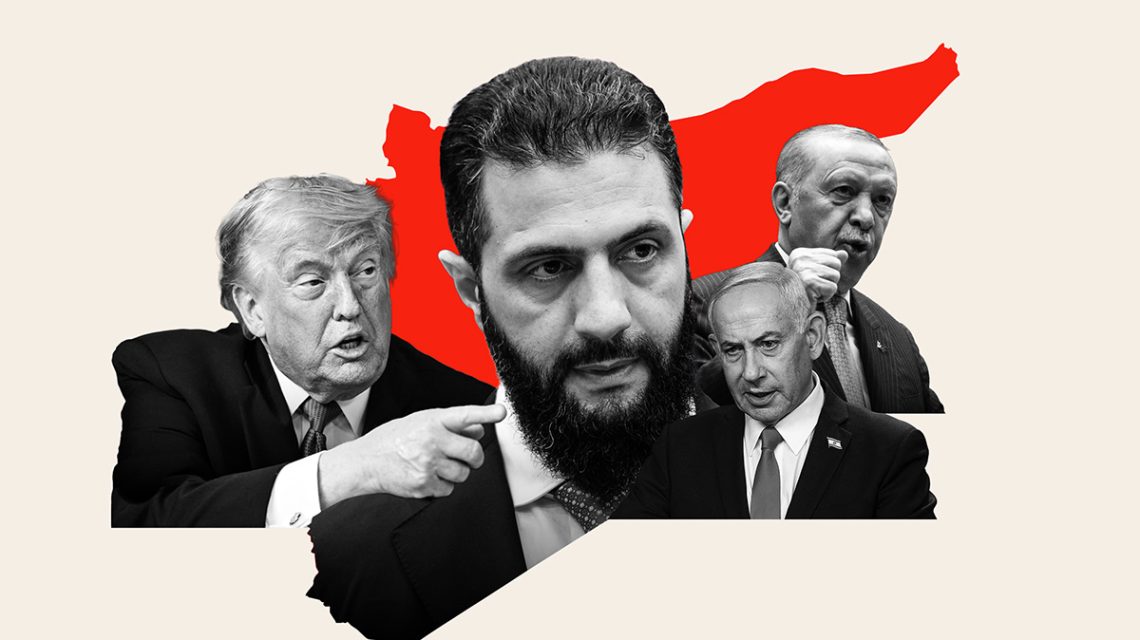
Syria’s civil war ended with insurgents bringing President Ahmad al-Sharaa to power in December 2024. Sharaa focused on rebuilding and stabilizing Syria, moving away from turmoil post-Bashar al-Assad. However, pressures are rising.
Regional Tensions
Sharaa faces challenges from Israeli Prime Minister Benjamin Netanyahu, who opposes his leadership, and Turkish President Recep Tayyip Erdogan, Sharaa’s strong regional backer. Trump’s shift in U.S. support toward Sharaa suggests Syria’s role in addressing Iran’s Hezbollah ally in Lebanon.
Syrian Diplomacy
Syrian diplomat Bassam Barabandi emphasizes Syria’s desire for stability without engaging militarily. He indicates Syria’s intent to maintain peace with neighbors, including Israel, despite its occupation.
“We want Lebanon stable. We need Syria stable,” Barabandi told Newsweek.
Trump’s Views on Syrian Involvement
In June, Trump mentioned Syria as a possible partner in a surgical assault on Hezbollah. This represents a shift in U.S. policy since Sharaa’s rise, initially deemed a terrorist.
Trump’s praise for Sharaa underscores ties loosened after Assad’s fall and reflects new perspectives on Middle East alliances.
Concerns over Syrian Engagement
James Jeffrey, former U.S. special representative to Syria, cautioned against Syrian involvement in Lebanese affairs due to historical ramifications. Intervening could unify Lebanese forces behind Hezbollah, undermining U.S. policy.
Israel, Turkey, and the Syrian Stance
Netanyahu questions Sharaa’s peaceful intentions. His campaign against Syria persists, driven partly by regional security dynamics.
Meanwhile, Erdogan warns that Israeli actions threaten Turkey. Sharaa maintains careful diplomatic dialogues to ease regional tensions.
Balancing U.S. and Regional Interests
Syria’s position in balancing U.S. relations, demonstrated by interactions with Turkey and Israel, remains critical. Trump seeks Syria’s cooperation to manage Israel’s interventions.
Frederic Hof states Sharaa might prioritize maintaining good relations with Trump and Erdogan. This approach could counteract Israeli maneuvers.
Conclusion
Sharaa endeavors to avoid confrontation with Israel while fostering regional stability. As Lebanon’s situation unfolds, Syrian involvement remains delicate, shaped by historical alliances and geopolitical shifts. Future developments depend on evolving U.S. strategies and regional political landscapes.
 The Journey of Hersh Goldberg-Polin: A Tribute to an Ordinary Life
  Commemorating the Aftermath of the Oct. 7, 2023 Hamas Assault
 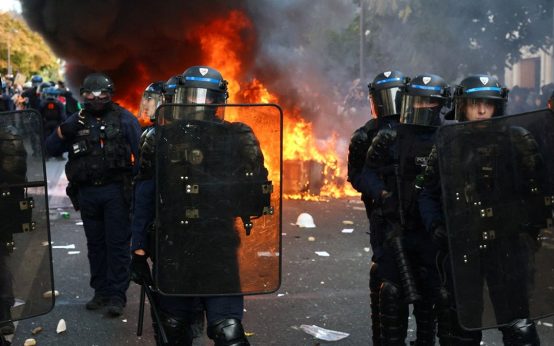 French Prime Minister Defends Police Actions Amid Student Protests
 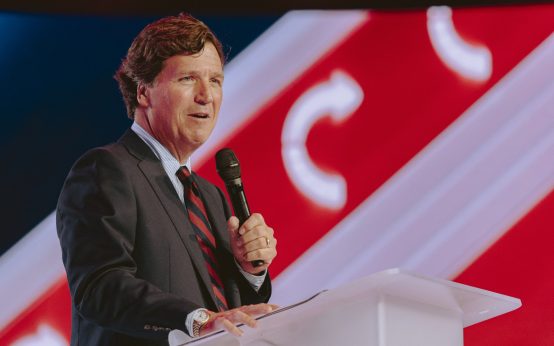 Poland Demands Apology from Tucker Carlson for WWII Claims
  French Students Lead Massive Protests for Education Funding
 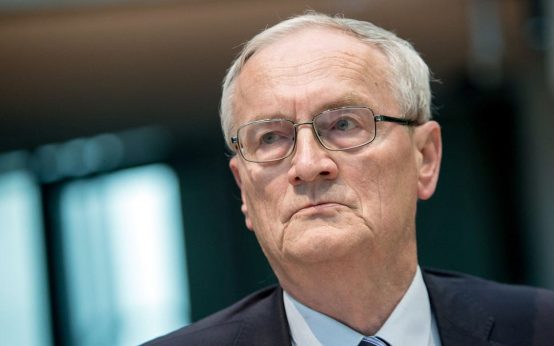 Former German Spy Chief Arrested for Espionage and Treason