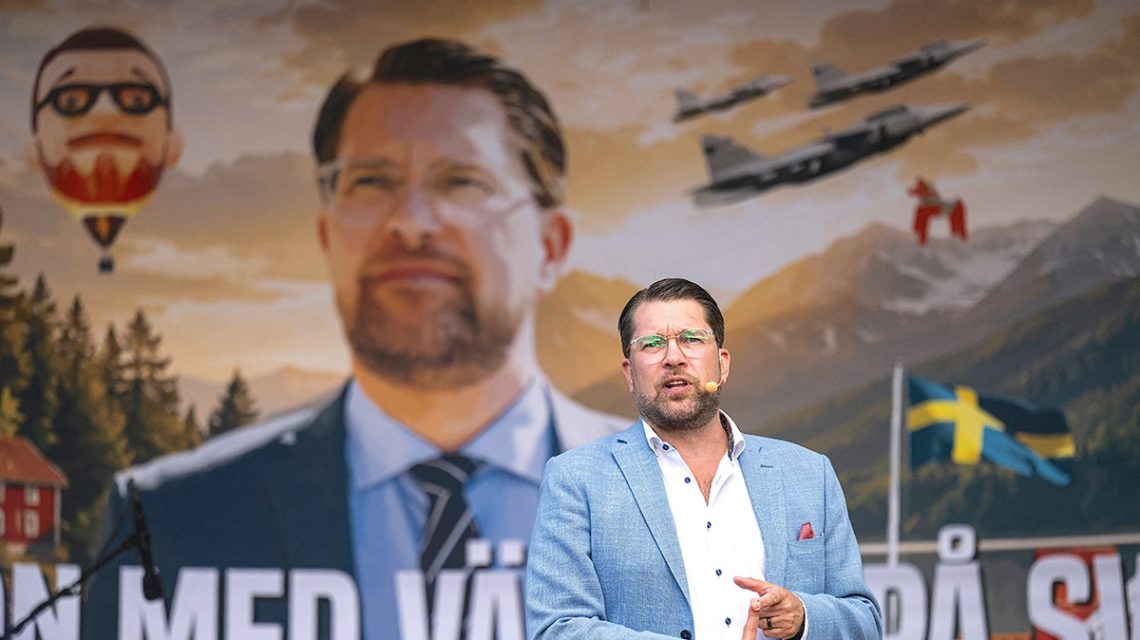
On Sunday, voters in Sweden will cast their ballots in a tense electoral race. Prime Minister Ulf Kristersson’s center-right party slightly trails behind the center-left Social Democratic Party, led by former Prime Minister Magdalena Andersson. Concerns around mass migration, crime, and the economy dominate the election discourse.
Foreign policy expert Daniel Schatz highlights the intensified debate over integration due to years of gang violence, extremism, and strain on public services. Sweden’s struggles with unemployment and increased immigrant populations have fueled these discussions.
“Years of gang violence, Islamist extremism, persistent unemployment, and pressure on public services have intensified the debate over whether integration has kept pace with immigration,” Schatz remarked.
Recent political shifts suggest that the hard-right Sweden Democrats, who initially were aligned with far-right rhetoric, are moving closer to mainstream politics. With Kristersson’s potential win, the Sweden Democrats could gain cabinet positions, reflecting a shift in their political influence. Under Jimmie Åkesson’s leadership, the party has distanced itself from extremist elements, contributing to its rise in prominence.
Sweden, once seen as a model welfare state, faces economic challenges. While extensive social benefits persist, these are now accompanied by rising crime rates. The reputation of Sweden’s welfare has shifted, affecting public perception.
There has been a significant decline in shootings, yet integration issues remain unresolved. Despite a reduction in gun incidents, seen in statistics from the Swedish National Council for Crime Prevention, the underlying tensions related to migration persist.
The debate around immigration remains critical. Since 2015, when Sweden took in over 160,000 asylum seekers during Europe’s migrant crisis, stricter border policies have been enacted. Sweden’s approach to immigration significantly influenced crime rates, weaving into the political fabric.
Nicholas Aylott, from Södertörn University, notes the shift in priorities, with migration and law enforcement rising in electoral significance. He outlines how the Sweden Democrats were initially ostracized but became legitimate partners within right-wing circles.
“Migration and law-and-order became much higher electoral priorities,” said Aylott. “The Sweden Democrats based their pitch on them. The other parties, rather belatedly, adapted their positions,” he added.
Despite reductions in crime and a drop in asylum claims, Kristersson’s government faces challenges from Andersson’s center-left coalition in the elections. Voter sentiment on migration policies and crime remain at the forefront, influencing Sweden’s political trajectory.
Sources indicate that the stark opposition to immigration and crime concerns could decisively impact the outcome, reshaping Sweden’s political landscape.
The Associated Press provided substantial contributions to this report.
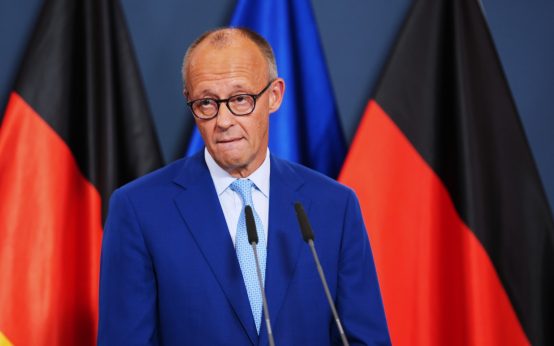 Merz Stays Resolute Amid Electoral Shifts in Germany
  The Impact of Arts and Closure on Democracy
 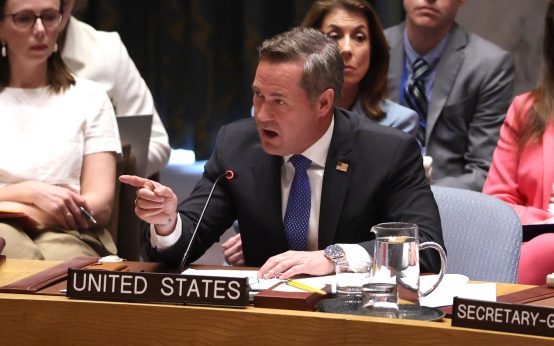 U.S. Ambassador Comments on Iran War Duration Amid Political Concerns
 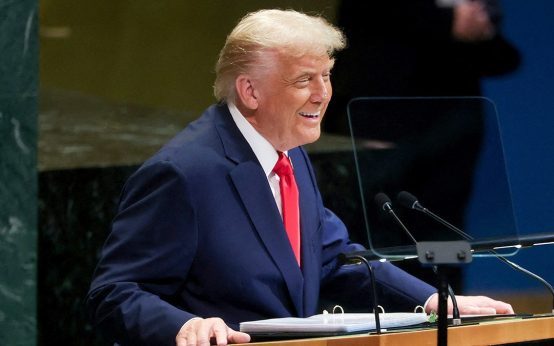 U.S.-Iran Relations and Diplomacy at Upcoming U.N. Assembly
  US-China Relations Under Scrutiny: Expert Warns of Escalating Tensions
  Extradition of Suspects in Haitian President’s Assassination