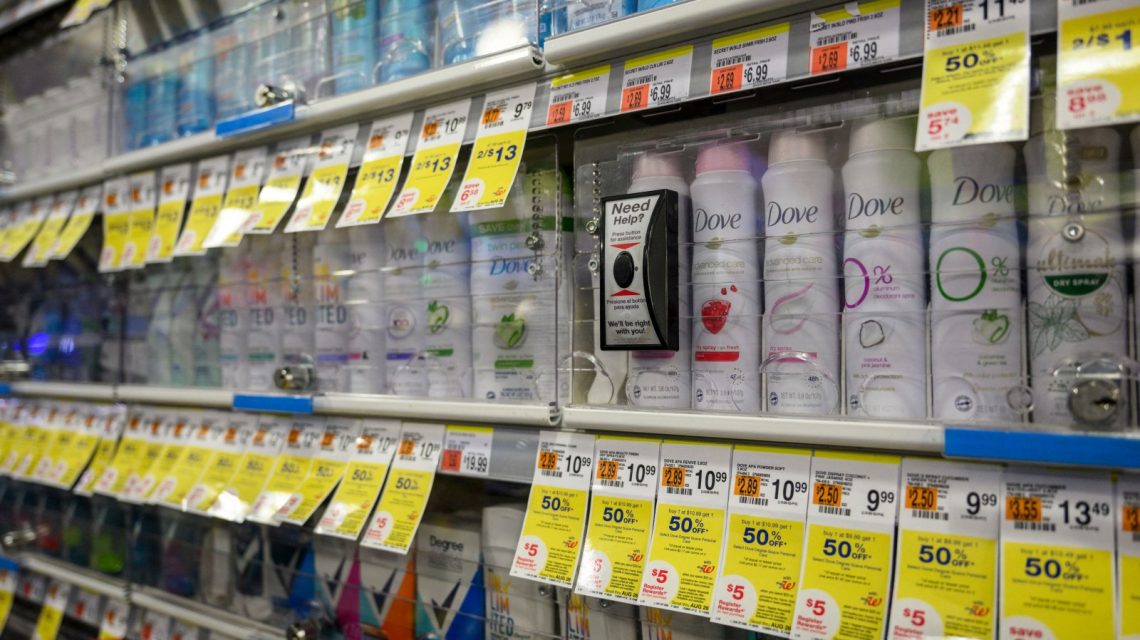
According to recent survey data from LendingTree, nearly 12% of Americans now admit to shoplifting regularly. This figure is almost double that of two years ago, showing a trend more complex than a mere reaction to inflation. Interestingly, while an increasing number of individuals acknowledge shoplifting, fewer people cite financial hardship as the cause.
Increasing Shoplifting Rates
In 2024, 6.1% of respondents stated they “regularly shoplift,” which jumped to 11.5% in 2026. This rise is notably higher among men, where rates increased from 8% in 2024 to 15.6% in 2026. Parents of children under 18 also saw a significant rise, from 9.8% to 19.7%.
The data indicates that retail theft could be evolving from an economic necessity to more habitual behavior, influenced by shifting perceptions of retailers and the economy. Kevin Thompson, CEO of 9i Capital Group, suggests this change reflects a growing resentment towards modern capitalism. Consumers increasingly view the issue as a battle between corporate power and ordinary Americans.
Financial Necessity Decline
In 2024, 33.9% of those who shoplifted did so because they couldn’t afford items, compared to 19.1% in 2026. Also, fewer respondents in 2026 stole “to make ends meet” or “to save a few dollars,” with both categories seeing a decline from 2024 levels. Thompson notes the importance of understanding this broader picture rather than blaming inflation alone. Resentment towards large corporations paying insufficient taxes plays a role in justifying shoplifting for some.
Overall, 29.6% of respondents in the 2026 survey admitted to having shoplifted, compared to 22.9% in 2024. The survey included 2,000 U.S. consumers aged 18 to 80, ensuring a representative sample.
Gender Differences in Shoplifting
Men continue to admit to shoplifting more than women. In 2026, 36.3% of male respondents acknowledged some history of shoplifting, compared to 23.2% of females. Regular shoplifting was also more prevalent among men.
Despite inflation cooling from its 2022 peak, pressures from elevated prices persist for many consumers. Although inflation has decreased, with a 2.9% average in 2024 from 8% in 2022, Americans believe inflation plays a role in increased shoplifting. In the 2026 survey, 89.6% agreed inflation and the current economy contribute to shoplifting.
Common Targets for Shoplifters
Food and nonalcoholic drinks were the most commonly stolen in both 2024 and 2026 surveys. In 2026, clothing, accessories, and personal hygiene products were also frequently targeted. Parents admitted to stealing baby products, diapers, and school supplies for their children.
Retailer Challenges with Repeat Offenders
Retail theft remains a concern due to its impact on operating costs and consumer prices. Repeat offenses can be harder to combat than isolated incidents. The 2026 survey found 47.6% of shoplifters had been caught before. In 2026, 27.3% of those caught were arrested, and 13.5% faced store bans.
Public opinion on shoplifting has remained relatively stable, with over 60% in favor of stricter punishments. While retailers invest in anti-theft technology, the trend reflects both economic challenges and changing social attitudes toward theft. Heightened security measures can sometimes complicate the shopping experience for all consumers.
 Congressional Hearing Addresses Fatal Shootings Involving Federal Agents
  Texas Man Arrested in Shooting of 5-Year-Old Girl
  Star Meat Delivery Inc. Recalls Over 167,000 Pounds of Meat
  Debating Government Involvement in Family Homes
  Tinley Park Updates Downtown Parking Rules
  Pastor Faces Deportation Amid Immigration Battle