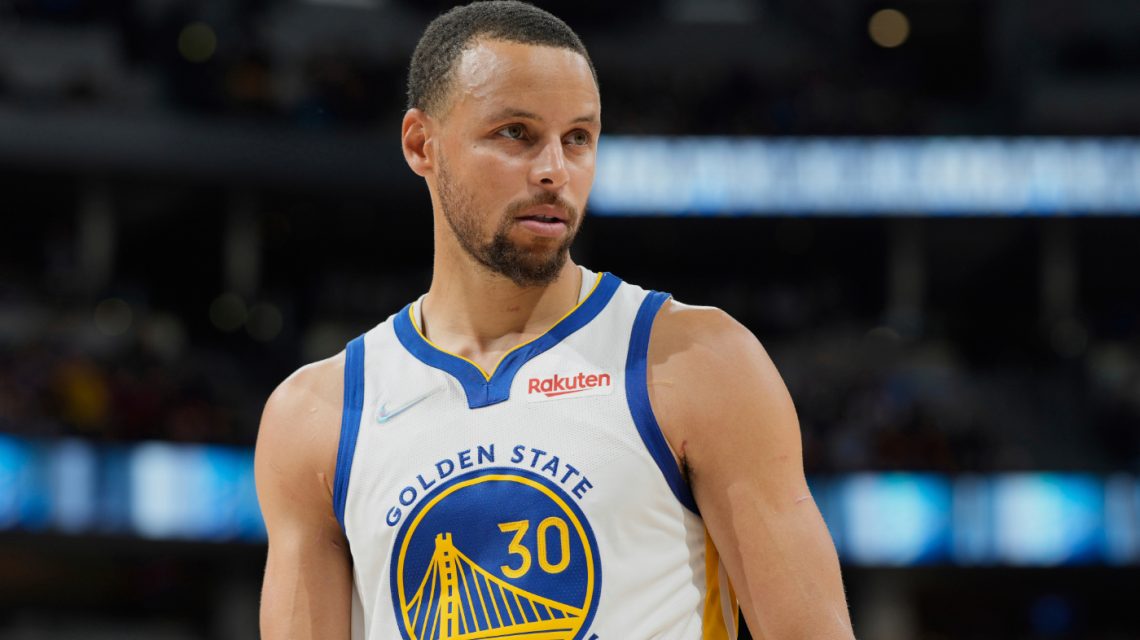
June’s NBA Finals highlighted excellence and discipline in sports, lifting the human spirit. However, Stephen Curry’s alliance with Li-Ning, a Chinese apparel company, casts a shadow. This partnership connects one of the most revered American athletes to a company scrutinized for forced labor practices.
Stephen Curry is more than a talented player; he is a global icon. His reputation rests on his character and the perception that he values integrity. By signing a reported 10-year, $400 million agreement with Li-Ning, Curry is not merely switching brands. He is associating his name with a company linked to significant human rights abuses.
Sport can transform fleeting fame into meaningful service. It can unite athletic prowess with moral responsibility. Such partnerships matter, and greater platforms bring increased accountability. Curry’s move is worrying as it links athletic honor with allegations of coercion.
According to the U.S. Department of Labor, since 2016, the Chinese Communist Party has subjected Uyghurs and other mostly Muslim minorities in Xinjiang to genocide, forced labor, and crimes against humanity. These serious crimes involve labor transfers, surveillance, indoctrination, and factory work as tools of control. These accusations are well-documented.
The U.S. Congress responded by passing the Uyghur Forced Labor Prevention Act. This act presumes goods produced in Xinjiang are made with forced labor, banning their U.S. importation unless proven otherwise. Americans should not endorse these abuses through corporate indifference.
Warning signs were apparent in Curry’s case. In 2022, Li-Ning products were banned in the U.S. Rep. Chris Smith (R-N.J.) plans to request Homeland Security to inspect Li-Ning imports following this deal. Such scrutiny shows that Li-Ning is challenging, not neutral, as a partner.
Cultural elites often show selective conscience, vocal for justice only when convenient. Reluctance surfaces when confronting the Chinese Communist Party and large markets. That is not courage; it is compromising values while masking it with public relations.
The Women’s Tennis Association set a precedent by pulling events from China over human rights. This moved demonstrates resolve. The NBA and other leagues should show similar commitment, addressing both domestic justice and Beijing’s offenses.
For sports institutions speaking about conscience, true adherence requires bearing its costs. Endorsements rely on trust. When athletes partner with companies linked to forced labor, that trust crumbles. Such deals reveal tolerations unexpectedly.
The NBA deserves a better context. Fans deserve honesty. The suffering of individuals is more than a mere inconvenience in global business. Basketball should be a platform for genuine greatness, which demands a lasting conscience.
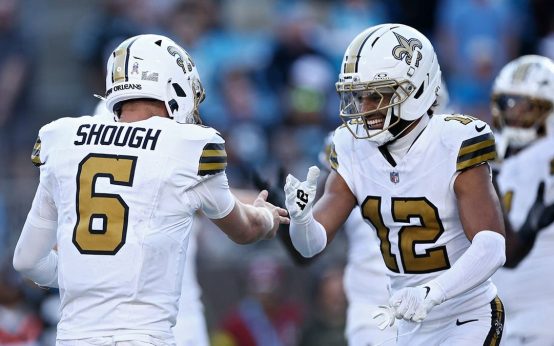 NFL Week 2: Key Insights From Each Game
 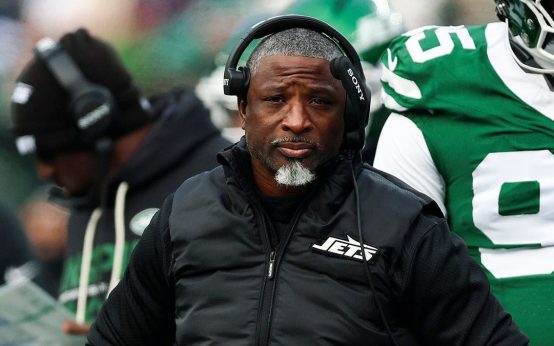 Jets Coach’s Clock Management Sparks Debate
 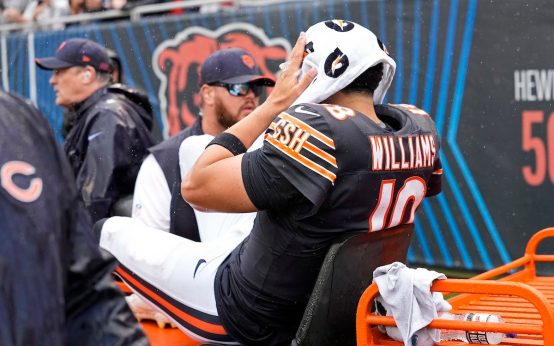 Chicago Bears Struggle After Caleb Williams’ Injury
  Jayden Daniels Suffers Elbow Injury; Marcus Mariota Set to Start
  Significant Events in Chicago History on September 21
  Patriots Rookie Gabe Jacas Shines Against Aaron Rodgers