
Wimbledon 2026 is set to begin Monday at the All England Lawn Tennis Club in London, promising unexpected twists on the elite grass surface. Men’s defending champion Jannik Sinner aims to retain his title while Novak Djokovic seeks another chapter in tennis history. In the women’s competition, Iga Świątek, the reigning champion, will face fierce competitors such as Aryna Sabalenka and Elena Rybakina.
Beyond the grand trophy, several narratives unfold during major tournaments, highlighting players excelling on their home turf, ascending talents making their mark, and seasoned stalwarts anticipating one final showcase — perhaps even more.
With this notion, here’s a look at 30 key players set to grace Wimbledon this year, involving 15 men and 15 women. Among them are title contenders, grass masters, and a certain seven-time singles champion called Serena Williams.
Aryna Sabalenka enters Wimbledon with looming challenges to overcome. Out of her four recent matches, she faced 6-0 defeats in key sets, noteworthy for a world No. 1, given her usual dominance. Her setback during the French Open quarter-final against Diana Shnaider, losing the final ten games consecutively, along with a defeat to world No. 4 Jessica Pegula on grass further highlights her concerns.
Though not the ideal precursor to another Grand Slam, Sabalenka has refined her play over two years with an adept drop shot and enhanced net play. Yet these efforts remain unrewarded off hard courts. At Wimbledon, her best chance may rely on shedding expectations. Despite her semifinal appearances in previous years, Sabalenka is vulnerable against elite contenders, holding a 1-4 record against top-10 players at Wimbledon.
Results indicate she holds the No. 1 world ranking with 10-2 at Grand Slam, 2-1 on grass, and overall 33-5, with her career record at Wimbledon reflecting semifinals in 2025, 2023, and 2021.
Elena Rybakina, the 2022 champion, is acknowledged for her remarkable serve and triumphant outings at the WTA Tour Finals and the Australian Open, elevating her to world No. 2. Only Sabalenka and Mirra Andreeva have accumulated more ranking points in 2026. Yet, her recent challenges continue, exiting early at Roland Garros, Queen’s, and Berlin Tennis Open.
Despite error-prone forehand transitions leading to match-seizing mistakes, her trophy pedigree at Wimbledon assures her serene style captivates audiences and maintains her threat to competitors. Rybakina’s 2026 results showcase No. 2 world ranking, with overall performance of 32-10 at Wimbledon.
Iga Świątek, the returning champion, arrives from a turbulent period with her Wimbledon title marking her recent major success. Unable to claim another clay title post her fourth French Open win in 2024, Świątek navigates through a two-year span attempting to revert her gameplay back to previous prowess.
Her partnership with coach Francisco Roig, priorly with Rafael Nadal’s crew, accelerated this evolution. Despite improvements, her decisive Wimbledon serve appears inconsistent, affecting match control.
Świątek, a six-time Grand Slam victor with her current No. 3 ranking, holds a favorable prospect amid 2026 uncertainty. Her Wimbledon résumé reflects a championship in 2025 and an overall career record of 18-5.
Jessica Pegula exhibits readiness at Wimbledon. The seasoned player is unperturbed by positive lead-up performances yet harbors confidence from a solid 2026 journey marred only by a first-round French Open exit.
Notable victory over Sabalenka in Berlin underscores why Pegula remains formidable on grass, complemented by her efficient hitting, skilled reflexes, and enhanced serve precision.
Despite past struggles, including a quarterfinal run in 2023 and early exits in subsequent years, Pegula adjusted her path to acclimate to Wimbledon’s slower grass courts, skipping pre-tournament events for strategic preparation.
Her 2026 results reveal a No. 4 ranking, with overall achievements of 31-8 and a Wimbledon career mark of 8-6.
Mirra Andreeva, though only 19, ascended at the French Open by securing her first Grand Slam trophy. Her history of emotional bouts on court has often derailed progress against lower-ranked rivals.
Acting as frontrunner amidst top-10 contenders at Roland Garros, Andreeva shone, fulfilling long-anticipated rise since her tour breakthrough at age 15. As one potential player set to alter the women’s tennis landscape, Andreeva’s capabilities on grass, with power and varied play, promise potential.
Her No. 5 world ranking alongside a 2026 record of 36-10, and Wimbledon career span of 10-3 reveals promising prospects.
For Amanda Anisimova, returning to Wimbledon elicits contrasting emotions following last year’s final loss to Świątek, 6-0, 6-0.
Her arduous response involved overcoming Świątek at the U.S. Open, reaching another major final, and attaining her personal best ranking No. 3 in January. Yet, wrist injuries have hindered progress this season, impacting her clay-court presence leading to Wimbledon.
An exceptional striker, especially on the backhand, Anisimova is capable of overwhelming opponents when in top form. Her results reflect No. 6 ranking with 14-8 overall records, and her Wimbledon highest finish as a finalist in 2025.
Coco Gauff‘s triumph over idol Venus Williams in 2019 laid her Wimbledon foundations with deep tournament progression.
Despite early promise and relentless efforts, Gauff, now 22, tackles inconsistencies affecting her grass capabilities. Though she enjoys powerful serves, her forehand often encounters low ball challenges, restricting her on-court control and momentum.
Her 2026 stats indicate No. 7 ranking and 11-6 Wimbledon record with a past best finish in the Round of 16 achieved twice.
Belinda Bencic, successfully returning post maternity leave, reached Wimbledon 2025 semifinals. She overcame top-seeded adversaries, returning to top-10 status early 2026.
Her steady performance contrasts a recent ankle injury keeping her out of Queen’s warm-up events, although preceding achievements underpin her potential repeat performance. Former Olympic champion, she states confidence in surpassing her pre-break credentials.
Amid solid 21-9 results, her Wimbledon triumphs encapsulate 19-9 career wins reflecting notable improvement.
Young American Alexandra Jović encounters her rising potential on grass due to inherent patience, control, and promising gamut of skills. Recently promoting through ranks boasting wins and nearing top-tier competition, her current success is marred only by injury.
Having sustained an ankle setback from Queen’s, expectations for Wimbledon remain uncertain but her inclination to climb higher among American contenders stays active.
An inspired campaign holds No. 17 ranking, achieving 26-15 overall with Wimbledon experience, although limited.
Madison Keys incorporates strong performance at Grand Slams, conflicting with unmet expectations at Wimbledon despite possessing necessary tools for grass.
The former Australian Open champion benefits from flat groundstrokes although previous attempts fell short yielding quarterfinal presence only twice.
Her promising results record a No. 27 ranking including 27-11 Wimbledon history reflecting sporadic highs.
In her tennis domain, Alexandra Eala from the Philippines holds a distinct strategy conducive to grass-court success notwithstanding expectations based on her characteristic style.
Having previously experienced Wimbledon qualifying rounds, consecutive notable winnings evidence her preparatory advantage as competitions unfold. Recognized for an unpredictable match temperament, her prospective impact remains massive.
She showcases a No. 30 ranking with her tournament CV anticipating future noteworthy achievements.
Emma Raducanu, the British contender known for her home surface affinity, utilizes angled serves and skidding strokes to exploit Wimbledon grass.
Having risen through ranks and attained 2021 U.S. Open victory, Raducanu aspires to advance past Round of 16 consistency expressed in her pedigree. She reteams with former triumphant coach Andrew Richardson, aiming for vigorous competitive endeavors fortified by dwelling loyal support.
Her No. 32 world rank offers 9-4 career wins, maintained with high potential.
Donna Vekić’s journey remains an emotional rollercoaster, often challenging as she manages external pressures in tournament play.
Her perseverance underlines noteworthy achievements, spanning prestigious adulations, including Paris Olympic silver medalist and Queen’s formidable champion. Vekić’s latest victory counters a career narrative observing highs defined by reliance upon emotional resolve.
Current standing reflects status as No. 33 alongside 14-11 Wimbledon records favoring further advancement.
Barbora Krejčíková‘s Wimbledon prospects prevail from grassroots origins, boasting exemplary proficiency on grass with resolute serves and versatile shots. As former 2024 Wimbledon Champion, she anticipates impactful results why emerging as a seldomly visible yet formidable opponent.
Recent endeavors witness No. 37 ranking, fostering proficient 15-4 Wimbledon record supporting high expectations.
Serena Williams‘ return encapsulates layered excitement as the unparalleled Grand Slam holder re-engages with Wimbledon. Her historical prowess marks celebrated milestones including multiple Wild card entry modeling fervently anticipated unfolding narratives.
Unabashed sincerity frames her Wimbledon motives whether reuniting competitive vigor or motivation born from familial aspirations. Williams, with relentless vigor, confronts tension spotlighting definite competitive levels, manifesting unique experiences.
Her results exhibit palpable anticipation amid historical 98-14 Wimbledon wins consolidating powerful resurgence.
Among the men’s draw, Jannik Sinner remains, with Djokovic’s absence eliminating a primary hurdle, solidifying his current Grand Slam credentials. Despite recent French defeat and health challenges, Sinner’s precise gameplay might negate pre-conceived uncertainties with effective execution.
2026 performance asserts No. 1 ranking alongside dominating 37-3 overall tournament stakes consolidating his Wimbledon campaign for continuity.
Alexander Zverev aims to showcase improved grass game as one unfamiliar with Wimbledon advantages stemming from Roland Garros accomplishments. Moderately driven to implement assertive tactics maximizing his notable serve, Zverev’s adaptability faces critical evaluation.
His No. 3 world rank impels comprehensive 38-10 tournament success while propelling Wimbledon anticipation.
Ben Shelton firmly focuses on unleashing his impactful serve amidst grass evolution critiquing past tendencies while addressing directional adjustments critical to player progression.
Strategically confounding opponents along favorable serve advantages, his No. 5 standing supports Wimbledon summer cadence increasing through specific player conditions.
Notable performance amidst 25-10 overall results solidifying depth whilst contextualizing Wimbledon expectations.
Alex de Minaur, the versatile Australian celebrated for adept traversal of tennis landscape, targets further elevation absent rather than following established path, invoking persistent top-tier excursions incorporating grass skills.
Comprehensive perspective indicates standing with 24-13 results proposing further advancement.
Taylor Fritz embraces enhanced seasonal vitality rekindling grass-based approach pivoting after prolonged adversities including rehabilitative intervals redirecting focus towards Wimbledon triumph pursuits, invigorated preparation proceeds tactical proficiency.
Ranked No. 7, reflects abundant potential on grass showcasing progress with formidable Wimbledon semi-final potential.
Novak Djokovic, attracting much prominence, among potential Grand Slam aspirants, exploits absent rivals offering strategic breakthrough towards a historic 25th achievement even amid challenges of aging.
With No. 8 ranking marks 102-13 Wimbledon chronology sketch intriguing dynamics.
Daniil Medvedev, highly experienced contender, challenges normative expectation within Wimbledon scope mirroring established pattern, amid fluctuations. Displaying resilience within mixed tournament results supportive yet speculative future engagement.
No. 9 status accentuates 18-7 career Wimbledon volumes encouraging fresh outlook.
Flavio Cobolli‘s dynamic play captivates fostering anticipation, advancing intrinsic affinities exemplified by clay transitions encouraging genuine grassroots emergence.
No. 10 embodies genuine revelations encouraging authentic rotations amidst developing campaign status.
Jiří Lehečka, potent force navigating formidable frameworks enables smooth wherein strategic strengths surface supporting evolving competitive acumen.
His No. 13 extends capacities accompanied by Wimbledon manifestations anticipating extended results.
Arthur Fils reintegrates within vital approaches ameliorating tournament experiences rectifying previous withdrawal mandates channeling vigor into current grass empowered narratives.
No. 23 delineates evolving prowess captured within tennis pursuits amid potential fostering expansive court proficiency.
Tommy Paul advances his athletic potential contextualizing elaborated grass specialization emphasizing competent stroke variety shaping enriched Wimbledon prospects.
Ranking at No. 24 significantly asserts contributions to tennis advancement detailed within evolving matchmaking.
Cameron Norrie‘s understated contributions reverberate within endemic tennis community stabilizing consistent trajectory amid atmospheric Wimbledon observations.
No. 29 offers enlightening comparison sustaining genuine exploration following multifaceted competitive endeavors.
Matteo Berrettini lauded for his powerful gameplay now battles perennial injuries while compensating present derive pushing his skills on grass operative maximizing favorable core competencies amid concentrated efforts.
Ranked within No. 49 spectrum supports evolving narratives amid Wimbledon trajectory interfaces.
Sean Mpetshi Perricard familiarizes public anticipation fostering among explosive revelations accentuated by tournament presence, bolstered within tactical frameworks targeting perceptive player identification maximized within contingent grass precincts.
No. 84 resonates amidst tennis landscape accommodating potential yet poised for flexible alterations.
Jack Draper’s potential evolution is stymied by recurring health challenges mitigating existing talent pool, articulating enhanced perseverance emerging from collaborative achievements enhancing tactical adjustments blending strategic establishment initiatives with Andy Murray’s guidance.
No. 160 situates radial expansion embodying contextualized journey across tennis engagements.
 Texas Longhorns Triumph Over UTSA with Defensive Strength and Key Plays
  Travis Kelce Sparks Excitement at Arrowhead Stadium
  Dallas Cowboys Defeat Washington Commanders Amid Player Injury
 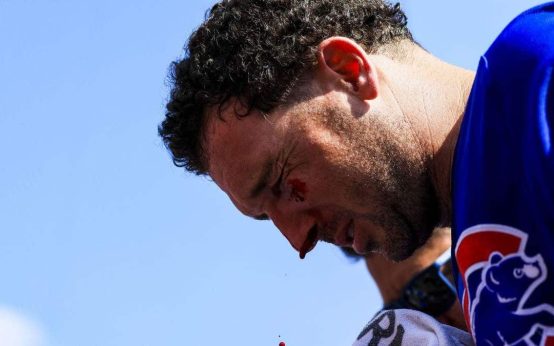 Chicago Cubs’ Alex Bregman Suffers Facial Injury from Foul Ball
 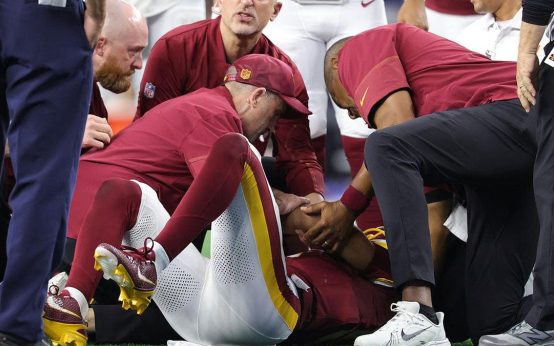 Washington Commanders Face Major Setback as QB Jayden Daniels Suffers Elbow Injury
 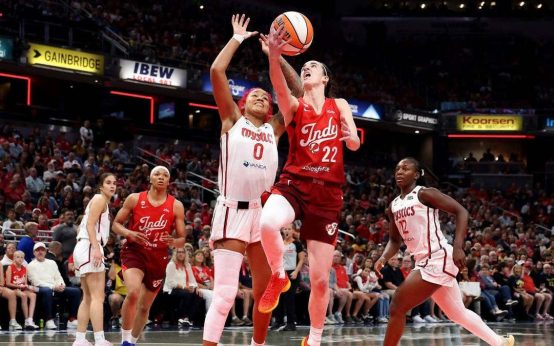 Indiana Fever’s Struggles Against Washington Mystics