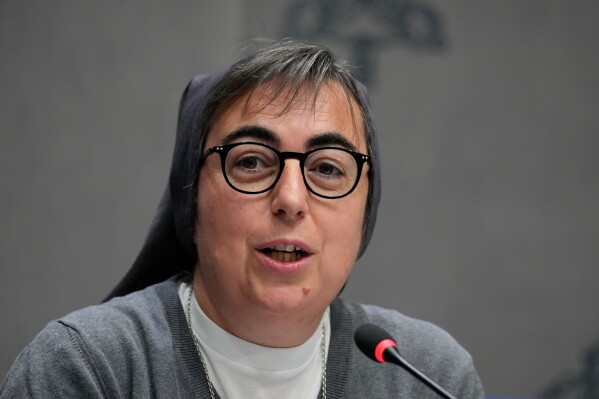
The ultratraditionalist Society of St. Pius X (SSPX) has taken a defiant step against Pope Leo XIV by consecrating four bishops without obtaining his consent. This event took place at the seminary in Econe, Switzerland, and the sanction is automatic excommunication for the bishops involved. The act is considered a ‘schismatic act’, signifying a deliberate break in the unity of the Catholic Church.
This event is a significant challenge for Pope Leo, who has prioritized church unity and easing tensions with traditionalists. These tensions had escalated during the Pope Francis era. The SSPX, founded in opposition to the reforms of the Second Vatican Council, has steadfastly maintained its focus on traditional practices, including the ancient Latin Mass.
The SSPX was founded in response to the modernization efforts of the Second Vatican Council, which changed the Catholic Church’s interactions with other religions and allowed Mass to be in vernacular languages. Archbishop Marcel Lefebvre founded the SSPX in this context. In 1975, Lefebvre was suspended, and the Vatican suppressed the society. Despite these sanctions, the group has grown and now comprises two bishops, 751 priests, 264 seminarians, 145 religious brothers, and other members from 50 different nationalities.
According to canon law, consecrating a bishop without papal consent leads to automatic excommunication. No formal declaration is needed from the Vatican; it is immediate. Experts suggest the Holy See may take a public stance due to the high-profile nature of the consecrations. Excommunication is the strictest penalty in canon law, designed to encourage repentance.
The excommunication does not affect the validity of the consecration; SSPX bishops remain validly ordained but not lawfully. Although Pope Leo could extend sanctions to ordinary attendees, it is unlikely. Interestingly, despite his cautious stance on traditionalism, Pope Francis provided concessions to the SSPX. For instance, in 2015, he allowed Catholics to validly confess to SSPX priests and later extended this indefinitely. This move acknowledged the legitimacy of these confessions and allowed SSPX priests to officiate marriages legitimately.
Experts believe Pope Leo might retract some of Francis’ concessions as part of the Vatican’s response. Pope Benedict XVI had previously sought to reconcile the SSPX with the broader Church. He relaxed restrictions on the Latin Mass in 2007 and lifted the excommunications of four SSPX bishops in 2009. However, the inclusion of Bishop Richard Williamson, a known Holocaust-denier, tarnished these efforts. Williamson was expelled from SSPX in 2012 for insubordination and later died in 2025.
Even with concessions to the SSPX, Pope Francis angered many traditionalists by reversing Benedict’s relaxation of the old Latin Mass norms. He argued such practices caused discord. While the SSPX remains a fringe group outside of communion, numerous traditionalists remain aligned with Rome.
Pope Leo has permitted the celebration of traditional Latin Masses as part of his unity efforts, including recently at St. Peter’s Basilica.
The Associated Press ensures independent coverage of religion, supported by The Conversation US and the Lilly Endowment Inc. The AP solely maintains responsibility for this content.
 Gorillaz and Macklemore Respond to Controversy Over Israel-Palestine Statements
  Investigation into Lion Deaths in Tanzania
  Merz Stays Resolute Amid Electoral Shifts in Germany
  U.S.-Iran Relations and Diplomacy at Upcoming U.N. Assembly
 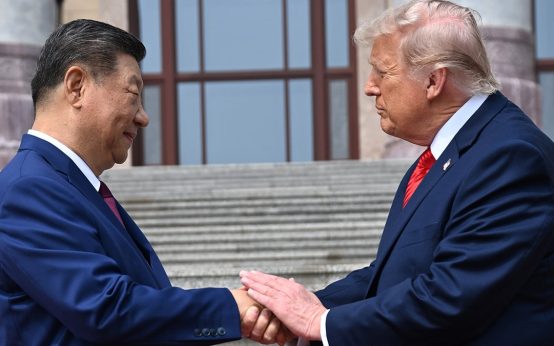 US-China Relations Under Scrutiny: Expert Warns of Escalating Tensions
 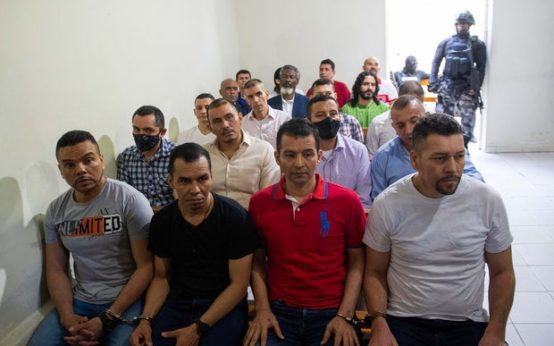 Extradition of Suspects in Haitian President’s Assassination