A significant piece of legislation aimed at regulating college sports is set to face a critical Senate vote soon. The Protect College Sports Act, advocated by Senators Ted Cruz and Maria Cantwell, has gained momentum due to support from President Trump, the NCAA, and various coaches.
The bill’s proponents believe the current system favors large universities that can attract top athletes with promises of name, image, and likeness (NIL) compensation. They argue Congress must step in to address these issues. However, the bill’s potential success remains uncertain.
A major concern is the antitrust protection it offers the NCAA. This would shield the organization from lawsuits concerning the transfer portal, revenue sharing, and NIL caps for student-athletes. Critics argue this would excessively empower the NCAA and top conferences while limiting athlete earnings.
Some lawmakers are also wary of the bill’s impact on funding for women’s and Olympic sports, often subsidized by football and basketball programs. The bill advanced after Cruz and Cantwell secured support from the Southeastern Conference and Big Ten, but a vote was delayed. Concerns were raised by GOP lawmakers, led by Senator Josh Hawley, about the bill’s potential impact on state laws regarding transgender athletes in women’s sports.
Senator Cruz responded, stating, “This bill does not override state laws protecting women’s sports and leaves Title IX untouched.” He emphasized the urgency of addressing chaos in college athletics.
Previous efforts to pass similar legislation have faltered. The SCORE Act faced opposition from the Congressional Black Caucus and NAACP, leading to doubts about the current bill’s prospects for gaining enough support.
Some Democrats, like Senator Chris Murphy, criticize the bill for creating unequal systems for athletes and industry executives. However, not all Democrats oppose the bill. Senator Chris Coons mentioned lobbying efforts, including communication from the University of Notre Dame’s athletic director.
President Trump has been involved in persuading GOP senators to back the proposal, but this involvement may detract from appealing to Democratic votes in the lead-up to midterm elections.
Analysts like Jim Johnston highlight the significance of support from prominent conferences and the importance of action in the near term.
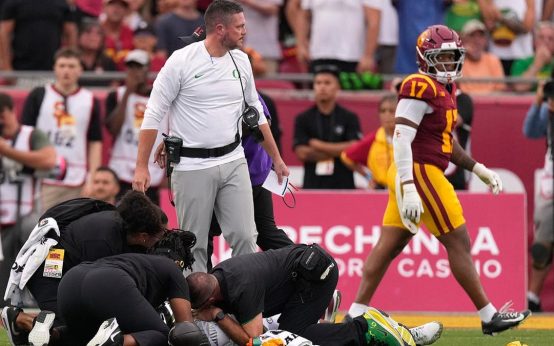 Dan Fouts Commends Oregon Coach’s Response to Violent Football Incident
  Dodgers’ NLDS Game 1 Lineup and Strategy
  Steve Hilton’s California Dream: Wooing Latino Voters
 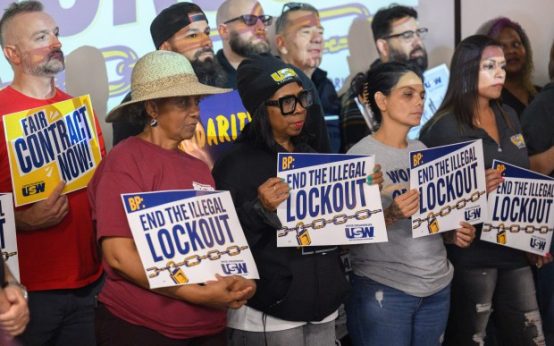 Indiana Legislators Advocate for Unemployment Benefits for Locked-Out Workers
 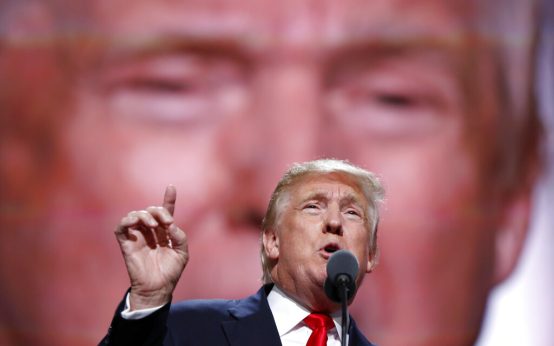 Analysis of Urgent Reforms in the U.S. Presidential Nomination Process
  High School Football Game Turns Chaotic with Multiple Field Fights