
On Wednesday, Senate Republicans showed signs of retreating from a contentious proposal to allocate $1 billion in security funds for President Trump’s White House ballroom within an immigration bill. Several party members voiced their opposition, forcing GOP leaders to reconsider their plan.
Senator John Kennedy of Louisiana, following a meeting with fellow Republicans, indicated that the security funds were likely to be removed due to insufficient support. The complete details of the finalized bill remain unclear, yet GOP leaders have remained tight-lipped about potential alterations.
“My understanding is that the security money has come out, and my understanding is it’s because the votes aren’t there,” said Kennedy.
The elimination of the additional funds underscores reluctance within the Republican Party to outright support Mr. Trump’s favored initiative. This development marks a setback for the White House, highlighting limitations in the President’s influence over Senate Republicans during his second term.
The initial proposal intended to incorporate $72 billion aimed at bolstering Mr. Trump’s immigration enforcement measures. However, the plan encountered immediate barriers. The Senate’s nonpartisan parliamentarian determined on Saturday that the proposal contravened procedural rules. As a result, Republicans faced pressure to remove or amend these provisions to maintain filibuster protection from Democrats.
This situation represents a notable instance of internal party challenges undermining broader legislative efforts aligned with the administration’s agenda.
 Nevada Attorney General Faces Questions Over Clemency Bid
  Trump Administration’s Crackdown on ACA Coverage
  Shakeup in Mayor Johnson’s Administration with Key Retirements and Appointments
  House Republicans Challenge DOJ Over Smith Investigation
 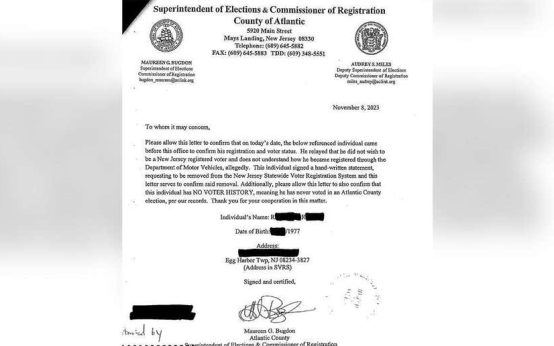 RNC Sues New Jersey Over Voter Roll Transparency
  Karoline Leavitt on Trump’s Tense Calls with Putin and Xi