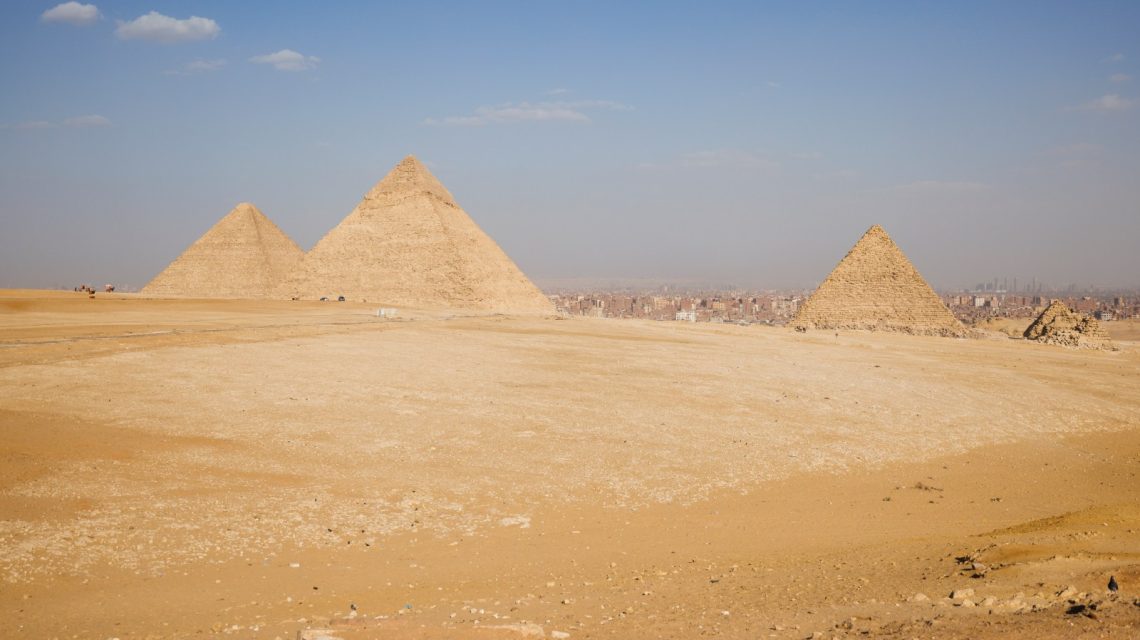
A scientific journal has retracted a study that claimed satellite radar could detect hidden structures within the Great Pyramid of Giza. The study, initially a cornerstone of extraordinary theories regarding the famous archaeological site, was found to have ‘serious methodological flaws and statistical errors.’
The Original Claim
In 2022, Italian researchers Filippo Biondi and Corrado Malanga published findings in Remote Sensing, a journal focusing on satellite and radar technologies. They used a technique known as synthetic aperture radar Doppler tomography. This approach aimed to reveal unseen features within the Pyramid of Khufu, such as corridors and rooms, without physical intrusion.
The researchers suggested that the radar-based method could map hidden sites in the pyramid, potentially identifying unknown rooms and corridors. The claim suggested that satellite data could unlock secrets of the Pyramid of Khufu, adding new layers of interest to ongoing studies at Giza.
The Investigation
Following concerns about the methodology, Remote Sensing conducted a review and officially retracted the article on August 10. Biondi and Malanga also reported discovering vast underground areas beneath the nearby Pyramid of Khafre, nicknamed an ‘underground city’ online.
Their conclusions attracted the attention of MrBeast, a YouTube creator interested in financing exploration of these claims. Speculation even extended to an alleged second Sphinx beneath the Giza Plateau, although this remains unconfirmed.
Despite the retraction notice, the researchers disagreed with the decision, stating their stance in the journal’s notice. Reports indicate they did not respond to inquiries for further comments.
How the Claims Became Global Sensation
The paper detailed 20 hidden structures, including corridors and rooms, under the Great Pyramid. Furthermore, it claimed to detect ‘The Big Void,’ previously observed via cosmic rays. They based conclusions on satellite radar detecting slight movement due to factors like wind and seismic activity.
Interest surged when, in 2025, new results from similar methods applied to the Pyramid of Khafre were presented. At a press conference, five seemingly connected structures, eight shafts leading to large structures, and parallels to Egyptian mythology captivated audiences.
Why the Claims Became Controversial
The broader claims caused disbelief among experts. Without peer review or independent verification, many questioned if minor surface movements detected by satellites could credibly depict structures so far underground.
Egyptologist Zahi Hawass dismissed the findings, stating the absence of necessary permissions and affirmed scientific evidence. Proposed satellite-detected vibrations were argued as insufficiently large to support these claims.
Laurence Conyers, an expert in radar archaeology, echoed skepticism, citing limitations in radar’s point of detection. Biondi and Malanga alleged the structures needed field confirmation, which remains unachieved.
Why the Journal Retracted the Study
Nearly four years post-publication, Remote Sensing decided to act upon a reader’s concern, confirming severe methodological flaws in the study. The detailed nature of these errors was not publicized, yet the paper’s reliability was irreversibly undermined.
The retraction focuses on the 2022 paper about the Pyramid of Khufu, unrelated to the subsequent claims at Khafre. Despite the authors’ disagreement, the rationale behind their objection remains undisclosed.
Undeterred, Biondi has shared related content via social media, and submitted plans for site measurements and excavation permits to Egyptian authorities. A History Channel feature and project video further publicized ongoing interest, though no new permissions have been announced.
For additional insights, contact Newsweek editors Matthew Cannon and Gray R. Thomas.
 The Unique Challenges of the Pumpkin Toadlet
  Animal Self-Medication Insights
  Carlo Rovelli’s Perspective on Physics and Ultimate Reality
  Department of Defense Legal Waiver Promotes UAP Disclosure
  Ancient Ring Offers New Insight on Pontius Pilate’s Authority
  Lost City Linked to Jesus Discovered Near the Sea of Galilee