
A two-year-old YouTube review of Halsey’s album “The Great Impersonator” has reignited discussions on the internet about the role of music criticism. Initially, this appeared to be a typical celebrity dispute. However, the review returned to public attention when a music account on social media platform X noted the continued discontent among Halsey’s fans.
The review, known for its harsh critique, forced many to re-evaluate how criticisms are received in today’s fan-driven culture. Some argue that critics should maintain their right to express honest opinions without fear of backlash. Others point to the sometimes overwhelming responses from fan communities, which can blur the line between valid critique and public uproar.
This situation highlights the evolving relationship between artists, critics, and fans. In this era, where fans are highly active and vocal on digital platforms, each review carries significant weight. It sparks discussions not only of the music itself but also of how critiques are framed and perceived.
Critiques, whether supportive or negative, contribute to the broader conversation about music and artistry. They provide a platform for different perspectives, which can enrich both the artist’s community and the public discourse. As fandoms grow and become more influential, the dynamic between all parties involved in music evaluation continues to evolve.
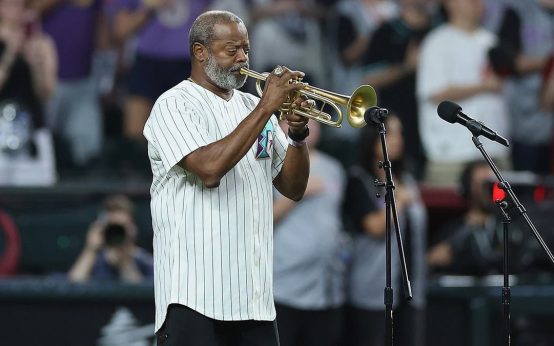 Retired Navy Petty Officer Reflects on His Powerful National Anthem Performance
 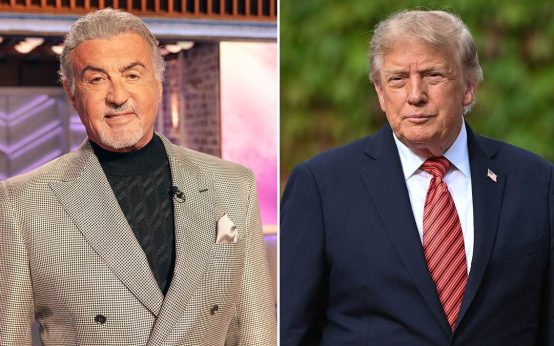 Stallone’s Surprising Appointment as Trump’s Hollywood Ambassador
  Sylvester Stallone: An Iconic Career in Film
  Riot Fest Battled Weather Challenges, Pledges Park Restoration
  Celebrities Mourn the Death of Presley Gerber
  Rhiannon Giddens: Connecting to Ancestors Through Music