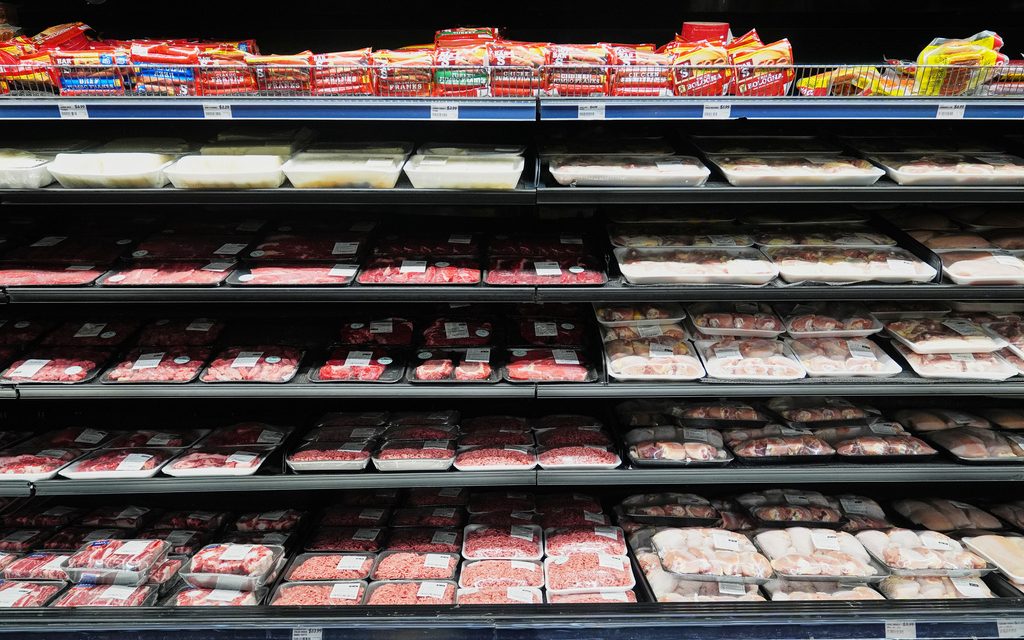
Meat and poultry, covered by the USDA Supplemental Nutrition Assistance Program (SNAP), were pictured at a grocery store in Baltimore on Thursday, Oct. 30, 2025. SNAP plays a vital role in feeding millions of Americans, providing crucial nutrition assistance funded by taxpayers. However, implementing purchase standards is key to achieving the program’s mission effectively.
Federal policy should ensure SNAP dollars are used wisely, focusing on vital nutrition instead of junk food and sugary drinks. While some argue for complete purchasing freedom, SNAP recipients need guidance to promote better nutrition. The program aims to enhance food security and health outcomes, making purchase boundaries essential.
In South Texas, a growing crisis of obesity and diabetes affects individuals, families, and the healthcare system. To address these public health concerns, meaningful policy changes are critical. SNAP recipients struggling with chronic illnesses need help to make healthier purchasing choices.
Research consistently links ultra-processed foods and sugary beverages to metabolic diseases, including obesity and diabetes. Using SNAP benefits to buy non-nutritious products misses the chance to boost wellness. Many families fail to buy sufficient fruits, vegetables, proteins, and whole grains.
Texas recognized this problem, submitting a SNAP Food Restriction Waiver in April 2026 to limit purchases of sweetened drinks and candy. The aim wasn’t restriction but encouraging healthier choices for improved health outcomes.
A federal court ruled in June against states imposing restrictions on SNAP purchases, citing Congress’s authorization of incentive-based strategies for healthier eating.
Though I understand the legal view, the core logic isn’t correct. SNAP should prioritize nutritious foods over ultra-processed items that offer no significant health benefits.
Personally, as someone who has dealt with obesity and benefited from SNAP during the 1980s, I witnessed the impact of poor nutritional choices. Our family, receiving food assistance, lacked nutritional awareness, often filling carts with unhealthy options.
Despite setbacks like the elimination of SNAP-Ed programs—previously offering nutrition and obesity prevention education—we should persist in promoting health-focused policies and nutrition education. Establishing rigorous nutrition standards can reduce healthcare strain, fostering future health for young generations.
Moises Arjona, Jr., MS, CEO of Unidos Contra La Diabetes, emphasizes the importance of using SNAP to purchase wholesome foods, ensuring its value through heightened nutrition standards.
 Federal Relief Funds Used for Anti-Racism Training in Albuquerque Schools
  Florida Man Claims ‘Lion Diet’ Transformed Health and Life
  Concerns Over Food Safety and Its Impact on Families
  A Mother’s Tragic Journey Under Abortion Ban
  Medical Diagnosis Errors: Understanding the Crisis
  Lymphatic Drainage and Ice Sculpting: Emerging Wellness Trends