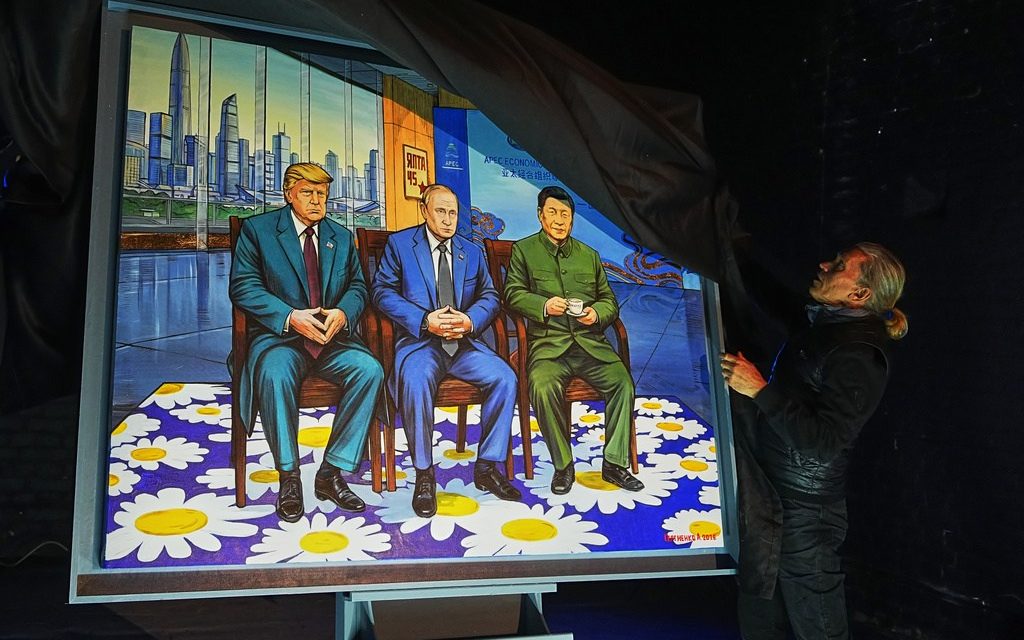
President Donald Trump embarks on a significant diplomatic mission to Asia, culminating in a landmark meeting with Chinese President Xi Jinping and Russian President Vladimir Putin. This meeting, scheduled for November 19 on the sidelines of the Asia-Pacific Economic Cooperation summit in Shenzhen, China, involves the leaders of the largest nuclear powers. The White House and Kremlin have confirmed the gathering, with discussions expected to focus on nuclear weapons and ongoing conflicts involving Iran.
Nuclear Discussions and Iran
The White House states that Trump aims to address the reduction of nuclear arsenals with Xi and Putin. A senior U.S. official describes this as the start of productive talks rather than a session expected to yield immediate agreements. The backdrop to these discussions includes the recent expiration of the New START treaty in February, marking the end of the last remaining nuclear limitation agreement between the United States and Russia. Trump had earlier dismissed extending the treaty, instead advocating for a new arrangement that involves China.
The United States and Russia each possess over 5,000 nuclear warheads, while China holds an estimated 600, according to U.S. assessments. Despite Beijing’s lack of interest in joining arms-control frameworks, talks are ongoing. Iran features prominently in the discussions, given the United States’ direct involvement in the conflict and China and Russia’s close ties with Tehran. A senior U.S. official expresses that Trump intends to bring up the Iranian conflict with both leaders, though immediate breakthroughs are not anticipated.
Symbolism Over Substance
The meeting presents Trump with a chance to showcase his leadership as he convenes with nuclear power giants. Analysts, however, suggest that the meeting may be more symbolic than likely to produce instant diplomatic outcomes.
Excluded Topics
U.S. officials indicate that Russia’s war in Ukraine will not be on the meeting’s agenda. The U.S. is handling the Ukraine issue through a separate diplomatic channel with Kyiv and Moscow, excluding China from these dialogues. Ukrainian President Volodymyr Zelenskyy is notably absent from the meeting’s guest list. Concerns arise from Zelenskyy about decisions impacting Ukraine being made without their input.
Similarly, Trump does not plan to discuss Alice Huang’s controversy with Xi. Reports earlier suggested that U.S. intelligence assessed Huang to be linked to China’s Ministry of State Security. The allegations have not been independently confirmed. Jensen Huang, the former CEO of Nvidia, is implicated in these controversies. Nvidia denies any security breaches, and Megaspeed, where Huang was involved, denies any wrongdoing.
Ongoing Export Control Debates
The trip also highlights internal U.S. debates over exporting advanced American chips to China. Treasury Secretary Scott Bessent has criticized efforts to limit access to advanced technology, advocating stronger restrictions against companies like Megaspeed. Bessent’s frustration has reportedly sparked discussions within the administration without public acknowledgment of confrontations with Commerce Secretary Howard Lutnick.
Elon Musk also has a role in these discussions. Axios reported that Trump consulted Musk on the issue, who favored tighter controls. Musk accompanies Trump on parts of this Asia trip but will not join the trilateral meeting.
Trump’s separate meetings with Xi will also touch upon trade agreements, emphasizing China’s rare-earth shipments, which Trump finds unsatisfactory.
Political Context
This trip occurs as Democrats prepare for a larger role in the House with greater oversight of the administration’s actions. Recent midterm election losses cast doubt on Trump’s domestic political strength as he aims to assert international influence.
This rare opportunity for direct talks with Xi and Putin holds the potential for progress on nuclear arms and Iran discussions. However, outcomes remain uncertain amid ongoing U.S.-China policy disputes.
 Amy Klobuchar Takes On Governorship with Promises for Minnesota’s Growth
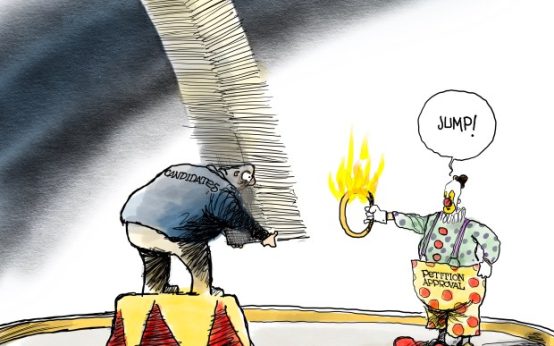 Challenges of Signature Requirements for Political Candidates in Illinois
 Debate Rekindled Over Gray Wolves and Livestock Losses
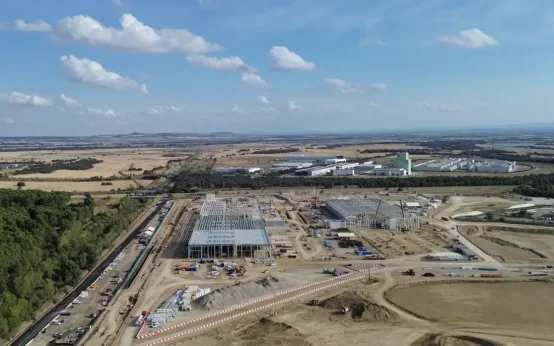 Protests Erupt Against Data Centers in Spain
 White House Faces Backlash Over Controversial Video
 Former Press Secretary Critiques Republican Strategies