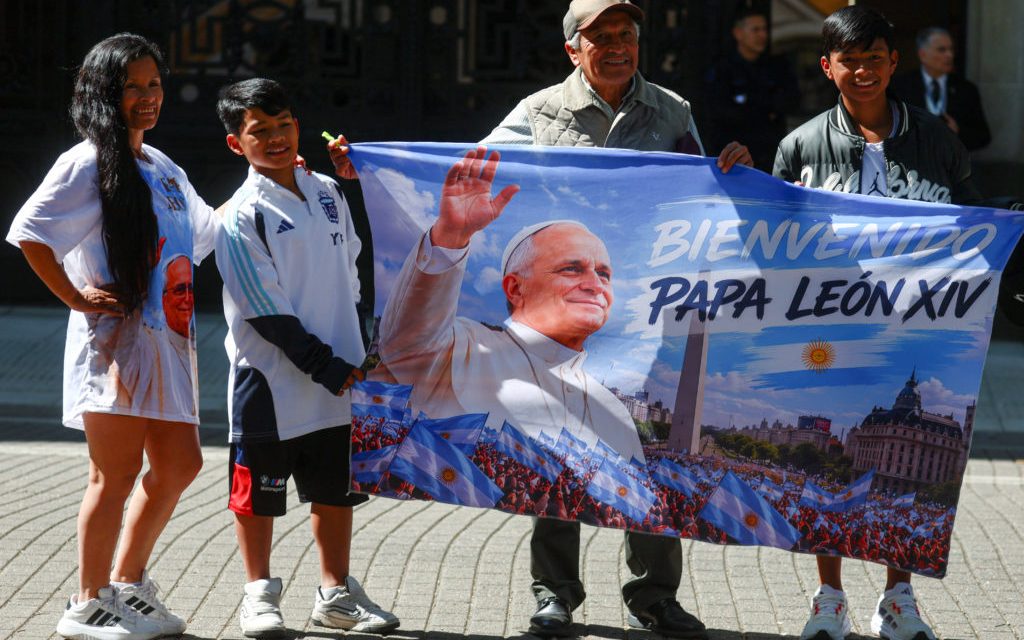
Pope Leo XIV arrived in Argentina, delivering a pointed critique of President Javier Milei’s policies. He emphasized that political leaders should prioritize people over the economy. In his first public address in Buenos Aires, Leo highlighted differing views from Milei on issues like spending cuts, social justice, and artificial intelligence.
The economy must serve the person, not the person the economy,
Leo stated to officials, diplomats, and civic leaders. His visit comes amidst sensitive political contexts, as it is the first papal visit to Argentina in nearly 40 years. Milei’s administration had sought to downplay potential political tensions ahead of Leo’s visit.
READ MORE: With an ode to mate, Pope Leo urges faithful in Uruguay to build bridges of fraternity and faith
President Milei has adopted a libertarian agenda, heavily focused on reducing public spending to control inflation. He has controversially labeled social justice as theft and moral aberration. Despite this, Milei welcomed Leo’s visit, hoping it would strengthen faith and bring hope and peace to Argentina.
Leo called for more civil political discourse, urging the use of respectful language and recognition of differing opinions as part of a shared future. In contrast, Milei’s confrontational style has led to a loss of allies and support. He frequently attacks critics on social media, with fervent language and hashtags.
Milei surprisingly praised the late Pope Francis during Leo’s visit, reflecting on Francis’s impact as the most noteworthy Argentine in history. Leo, meanwhile, addressed the economy, calling for growth that also supports the disadvantaged, such as the unemployed and retirees.
READ MORE: What to know about Pope Leo XIV’s trip to Uruguay, Argentina and Peru
Milei’s policies have achieved a budget surplus and reduced inflation. However, wages are still low, and job losses have been significant. Protests have arisen from retirees struggling with inadequate pensions.
As a former missionary priest, Leo favors a pastoral approach, reminiscent of Francis’s efforts in economically challenged areas of Buenos Aires. Leo discussed a Christian view of democracy, countering Milei’s economics, rooted in church doctrine and past papal guidance.
Argentina’s bishops, mostly appointed by Francis, have been vocal critics of Milei, addressing wide-ranging issues from poverty to policy. Their stance aligns with Leo’s views, calling for inclusivity and support for marginalized groups.
Leo also expressed concern over cuts to public university funding, urging investment in education. Protests have highlighted dissatisfaction with the government’s refusal to restore academic funding and salaries.
A recent survey showed a significant portion of medical students considering emigration due to these challenges. Leo questioned the nation’s direction when its youth need to leave to fulfill their dreams.
Leo also touched on Argentina’s natural resources. He advocated for their use benefiting communities, a possible critique of Milei’s environmental policies and focus on resource exploitation for investment.
Lastly, Leo warned of the responsibilities involved with artificial intelligence. Milei’s government seeks to attract tech investments while using AI for potentially invasive surveillance.
Pope Leo’s stance places human welfare at the forefront, challenging the current political and economic policies in Argentina while advocating for a more compassionate and inclusive approach.
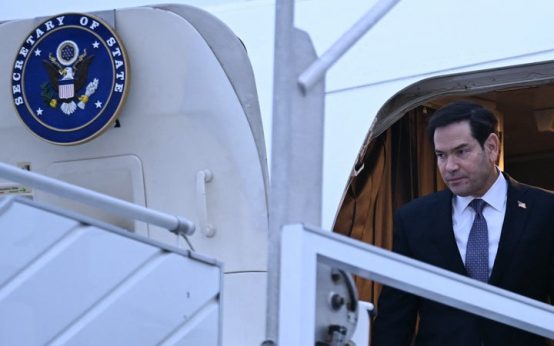 G7 Foreign Ministers Discuss Global Crises Amid U.S. Political Changes
 Feud and Legal Battle in New York Family Dynasty
 Political Shifts and Concerns Post-Midterms
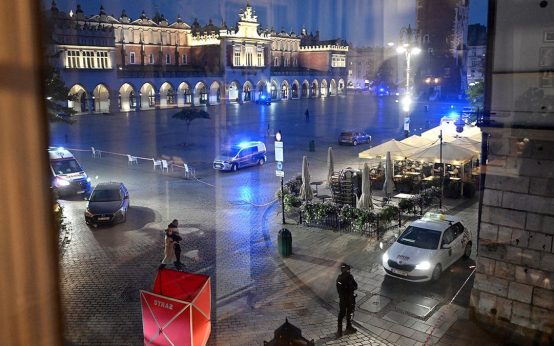 Death Toll Rises After Krakow Shooting
 Villa Vie Odyssey Faces Legal Challenges After Halting Operations
 Trump Shares AI-Generated Video Featuring UFC Personalities