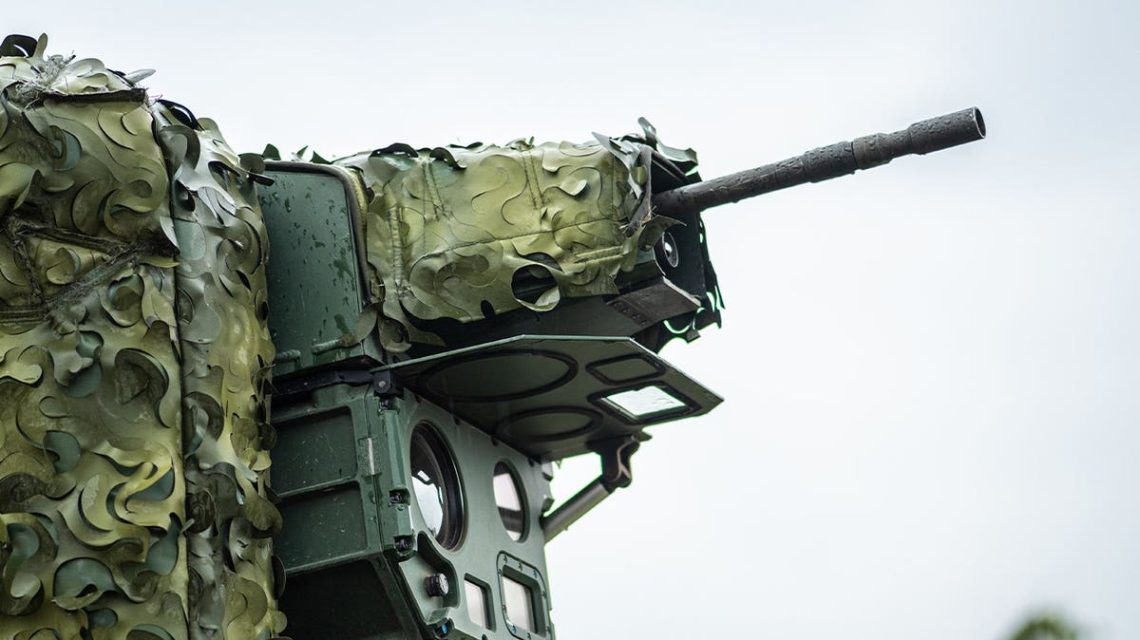
Laser weapons are transitioning from research labs to active military operations. These technologies promise the ability to disable enemy drones and missiles at light speed without the need for costly interceptors. After years of development, the Army is on the cusp of incorporating high energy lasers into its arsenal, marking a significant step in modern warfare.
Contract Developments
The Army is finalizing a contract for the enduring high energy laser (E-HEL), which will represent the first laser weapon system to become a permanent component of military capability. The drive to field laser systems stems from the need to counter inexpensive drones that challenge traditional defenses, which often rely on expensive missile interceptors. Laser weapons could provide a cost-effective solution for handling these threats.
The Army’s acquisition chief, Lt. Gen. Frank Lozano, highlighted recent advances with the Enduring High Energy Laser during tests at White Sands Missile Range. A reliable source indicates that the contract award is nearing completion, although negotiations continue.
Collaborative Efforts and International Context
The Army’s progress is part of a broader push. The Air Force is using compact lasers overseas to defend against drones, while the Navy integrates its high energy laser systems with destroyers. Globally, nations like Israel and China are deploying laser technologies to enhance their defense systems.
Despite decades of research, earlier laser programs encountered challenges related to power generation, beam control, and operational reliability. Advances in technology are overcoming these hurdles, with systems like Epirus’ Leonidas using high-powered microwaves to stop drones efficiently.
Operational Integration and Limitations
Missile Defense Project’s Tom Karako notes that successful integration of laser weapons involves overcoming environmental and operational challenges. Lasers must withstand harsh conditions and integration into existing military frameworks demands comprehensive training and system maintenance. Additionally, lasers must avoid unintended illumination of satellites or aircraft.
Although lasers offer advantages, they are not a replacement for traditional missiles. Lasers are limited to line-of-sight engagements, making them less effective than missiles for targeting threats beyond the horizon. Lasers will therefore complement missiles, particularly for impending threats within defensive perimeters.
Future Perspectives
The Army is also considering new counter-drone missiles, aiming to reduce costs to under $150,000 per interceptor. Lasers represent just one element of broader directed-energy initiatives, with investments in technologies like radio-frequency systems to disrupt communications between drones and operators. These efforts underscore a comprehensive strategy to enhance battlefield defense.
 Debate Continues Over Virginia’s Data Center Energy Plans
  Trump Suggests Renaming AI to ‘Super Intelligence’
  The Rise of Data Centers and AI Development
  How China Uses AI to Challenge U.S. Dominance
  Controversy Surrounding Automated License Plate Readers (ALPRs)
  U.K. Test-Fires U.S. Torpedo from XV Excalibur