
New York City Mayor Zohran Mamdani has made public over 170,000 pages of documents that question the previous assurances about air safety around Ground Zero following the 9/11 attacks. These records, found at the Department of Environmental Protection, extend back to the aftermath of the 9/11 attacks.
This document release comes before the 25th anniversary of 9/11, a tragic event that resulted in the deaths of 2,977 people. Numerous individuals exposed to post-attack toxic dust have died from related illnesses, as reported by the World Trade Center Health Program and other health organizations.
Christine Todd Whitman, then the EPA Administrator, stated on September 18, 2001, that air monitoring near the World Trade Center showed it was safe. However, in a recent press conference, Mamdani emphasized, “People got sick because the leaders they trusted lied and told them they were safe to breathe in toxic air.”
The documents reveal that asbestos was discovered on a building roof at 15 John Street, close to the World Trade Center, ten months post-attack. Some locations had asbestos traces below cleanup standards, while other sites exceeded them. Health authorities state there’s no safe asbestos exposure level.
Within the released documents is a memo dated February 28, 2002. It summarized concerns from Rep. Jerrold Nadler about poor indoor air quality in Lower Manhattan, predicting potential public relations and legal issues for the city. The memo noted the EPA had shifted air quality responsibilities to the city without adequate oversight and mentioned inadequate apartment cleaning advice given to residents.
Findings at Stuyvesant High School
Stuyvesant High School, located near Ground Zero, showed lingering asbestos contamination. Testing in August 2002 found asbestos levels in the school’s auditorium carpet at 2.5 million structures per square centimeter, about 500 times higher than the EPA’s Cleanup Program benchmark.
Parents conveyed their concerns to city officials, triggering a press release from the NYC Department of Environmental Protection in August 2002.
“The work on this project has thus far been done in an unprotected, hence possibly dangerous manner, allowing the dust from the old carpet being torn up to seep into tenants’ apartments, under and around their doors,” Diane Lapson, environmental chair of the Independence Plaza North Tenant Association, wrote to the EPA.
Challenges from Tribeca Residents
In July 2002, Tribeca residents, through the Independence Plaza North Tenant Association, criticized the EPA’s insufficient cleanup efforts post-9/11. They advocated for more comprehensive environmental testing and less reliance on visual inspections alone.
By September 2002, the EPA had contracted several asbestos cleanup projects in the downtown area. Despite these efforts, litigation records indicate persistent asbestos presence in some Lower Manhattan residences, months after the cleanup started. For example, tests found elevated asbestos levels in the home of Lori Mogol and Richard Zimbler at Independence Plaza North in February 2003.
Elaine Mallon covers national politics for Fox News Digital and Fox Business.
 SNAP October Payments and Changes in Enrollment
 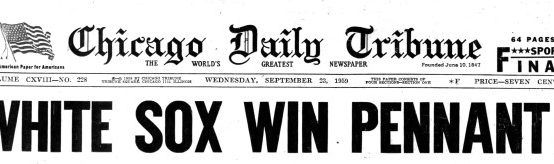 Historical Highlights of September 22 in Chicago
 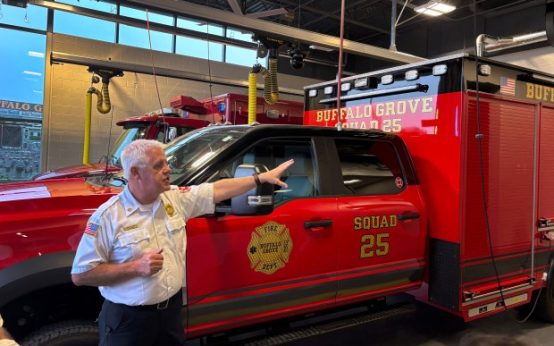 Buffalo Grove Fire Station 25 Embraces Modern Safety and Efficiency
  Air Traffic Communication Breakdown Disrupts Northeast Airports
 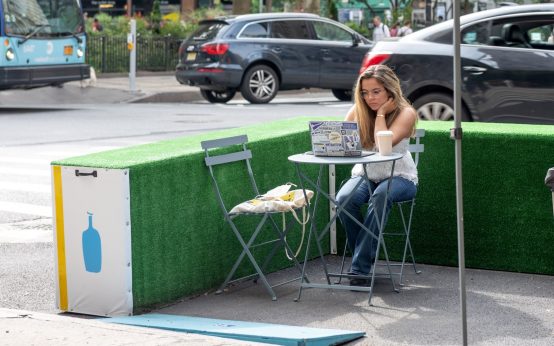 Gen Z’s Early Workforce Success Compared to Millennials
  NTSB Launches National Campaign for Railworker Safety in Chicago