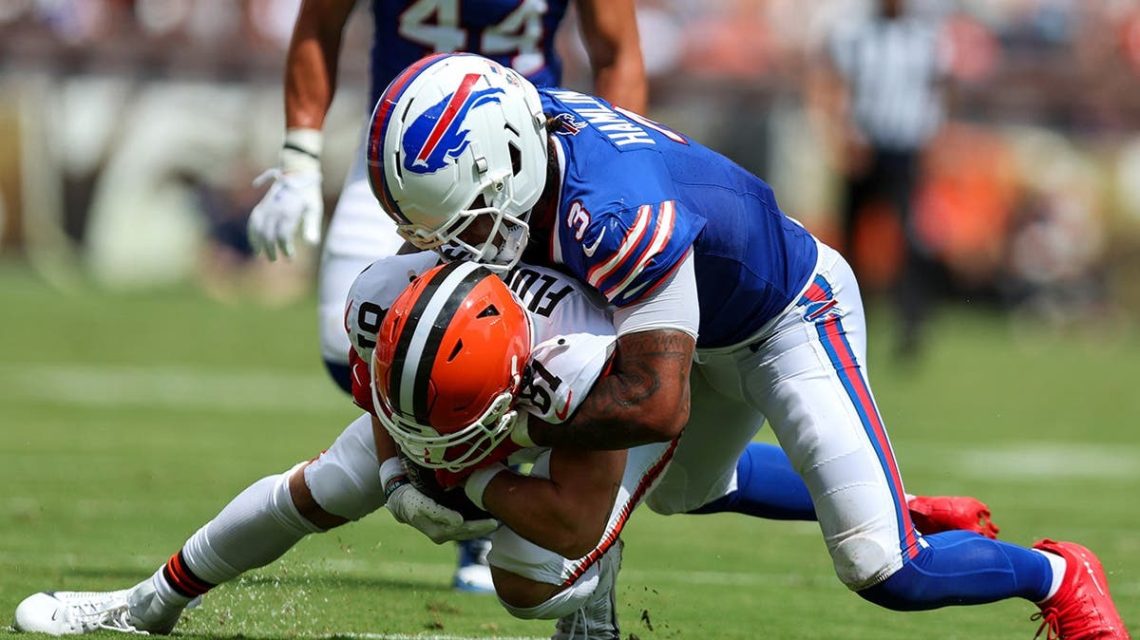
Understanding CTE in NFL Players
The NFL actively pursues safer play, especially concerning head injuries linked to chronic traumatic encephalopathy (CTE). The condition has raised concerns about its effects on current and future players. Recent research published in The BMJ highlights the gravity of the issue.
A study conducted over six years revealed that approximately one in four former NFL players might develop CTE. Out of 878 deceased players analyzed, 215 had CTE, representing 24.5%. Given the non-examination of 643 brains, the actual prevalence could be higher. If applied to the current NFL roster of 1,696 players, about 415 might face the risk of CTE.
The Challenges in Diagnosis
CTE poses diagnostic challenges since confirmation requires post-mortem brain examination. Caused by repeated head trauma, its symptoms include memory loss, mood swings, and erratic behavior. Although initially found in boxers, CTE is now associated with football players due to frequent head impacts.
The condition gained public attention when posthumous diagnoses were made for players like Junior Seau and Mike Webster. Webster’s case was pivotal in identifying CTE, with Dr. Bennet Omalu leading early research efforts.
Call to Action for Enhanced Safety
Dr. Julian Bailes, a neurosurgeon and expert in CTE research, emphasizes proactive measures in football. He urges advancements in rules, training, equipment, and brain protection strategies. He highlights the importance of managing not just concussions but also cumulative impacts from repeated head blows.
According to Dr. Bailes, eliminating repeated head impacts is crucial for CTE prevention. Although this change would alter football’s nature, especially professionally, it stands as a necessary step. The NFL continues its commitment to safety, focusing on concussion reduction and player well-being.
Current Safety Measures and Data
The NFL reported 168 in-game concussions during the 2025 season, marking a 30% increase from 2024. In addition, there were 538 evaluations and 26 medical timeouts. Both the NFL and the Players Association view the findings as a call to action for broader safety measures in football.
 Saints’ Tyler Shough Leads Team to Win Amid Controversial Call
  NFL Week 2: Key Insights From Each Game
  Jets Coach’s Clock Management Sparks Debate
 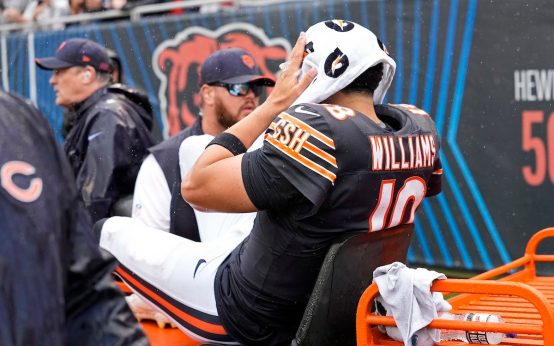 Chicago Bears Struggle After Caleb Williams’ Injury
  Jayden Daniels Suffers Elbow Injury; Marcus Mariota Set to Start
 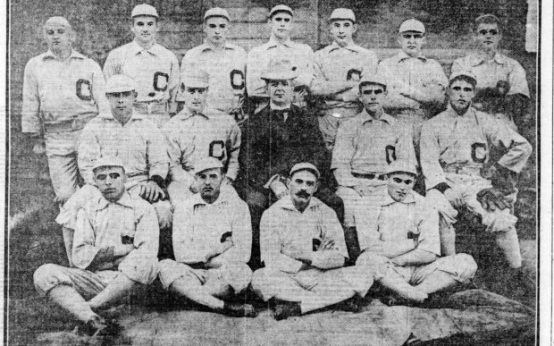 Significant Events in Chicago History on September 21