
A new mother from Missouri, Layna Wells, awoke to find her newborn daughter, Stevie, in a frightening state: blue and cold. She had fed and burped Stevie at 5 a.m. and returned her to sleep. Around 7 a.m., something compelled Wells to wake up again, leading to every parent’s nightmare.
“I don’t know why I woke up, but I did,” Wells shared with Newsweek. “I rolled over to see my daughter blue and cold.”
In a panic, Wells acted swiftly upon realizing Stevie’s condition. She unswaddled her daughter’s limp body, turning her over to administer five back blows between the shoulders, followed by compressions. Her efforts resulted in Stevie beginning to breathe again.
“I started aggressively massaging her skin to ensure blood flow, and that’s when her eyes opened,” Wells said, noting Stevie didn’t cry initially.
Stevie stayed awake on the way to the emergency room but remained silent until medical staff checked her vitals and took her temperature, causing her to cry for the first time since receiving CPR over an hour earlier.
Doctors diagnosed Stevie with a Brief Resolved Unexplained Event (BRUE), a temporarily alarming but often non-recurrent episode in infants. BRUE differs distinctly from Sudden Infant Death Syndrome (SIDS) and Sudden Unexpected Infant Death (SUID). Most infants experiencing a low-risk BRUE have good outcomes and aren’t at heightened risk of sudden death.
Historically, similar events were labeled as Apparent Life-Threatening Events (ALTE), but research showed they usually didn’t predict SIDS. Consequently, the American Academy of Pediatrics updated the terminology to BRUE in 2016.
“There was no reason for why it happened,” Wells explained. Stevie displayed no airway blockages, heart issues, or oxygen level concerns. Health scans indicated general wellness.
Despite realizing her CPR attempts had been “incorrect,” Wells learned her actions were beneficial. Doctors advised repeating the process if necessary, affirming its effectiveness.
Wells reflects on the incident as haunting. “It’s by far the most gut-wrenching, horrible, nauseating experience I’ve ever lived through,” she admitted. The thought of losing her daughter leaves a lasting fear.
Many nights include struggles with sleeping beside Stevie. “I just sit there and watch her breathe,” Wells admitted. A change in Stevie’s breathing rate can incite panic.
Wells shares her story with the hope of motivating others to learn infant CPR. “You never think you’re actually going to need it until suddenly you do. In that moment, you don’t have time to Google what to do or second-guess yourself,” she stressed.
Nonetheless, Wells considers herself fortunate. “I happened to find my daughter when I did, I was able to react, and thankfully what I did worked.” She emphasizes that parents shouldn’t blame themselves if an unpreventable tragedy occurs, as not every situation can be controlled.
For any concerns regarding this story, contact Newsweek editors Rebecca Flood and Gray R. Thomas.
 Patrick Clancy Shares Insights into Tragic Family Loss
 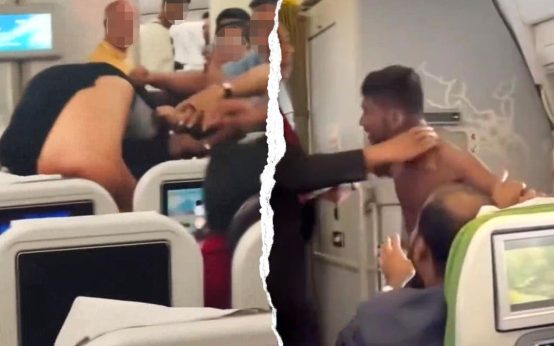 Midair Altercation on Bangladesh to London Flight
  Revival of Organized Labor in 2026
  Community Relief Efforts at New Orleans Free Store
 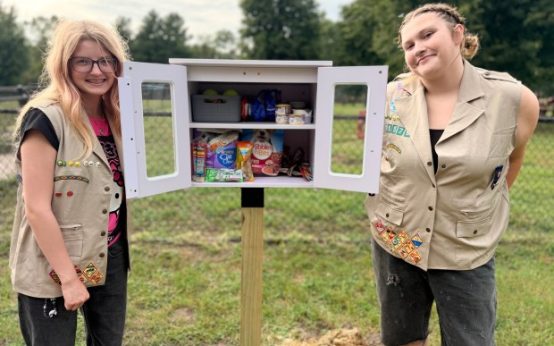 Girl Scout Troop 35579 Project: Pet Pantry for Woodland Park
 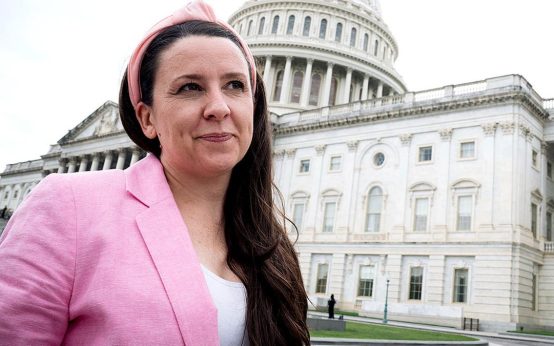 Children’s YouTube Star Ms. Rachel Draws Scrutiny Over Links to Palestinian Photojournalist