The political landscape in Nebraska is under scrutiny as speculation mounts about the state’s support for Republican Donald Trump. Historically, Nebraska has firmly supported the GOP, backing Trump in elections and not supporting a Democratic presidential candidate since Lyndon B. Johnson in 1964. However, in Omaha, the largest city, the situation appears more complex, particularly in its congressional race.
Key Political Contest
The congressional seat for Nebraska’s 2nd District is open following Rep. Don Bacon’s retirement, creating a contest between Republican Brinker Harding and Democratic activist Denise Powell. Omaha’s metro area leans increasingly Democratic, alongside its conservative suburbs. This district is unique, having elected Republicans in House races while favoring Democratic vice-presidential nominee Kamala Harris in the presidential election.
Impact of Trump on Elections
While Trump attempts to position himself as central to midterm elections, his actions remain contentious. He plans to hold a Republican convention in Dallas, aimed both as a rally for himself and to support party candidates. Despite low approval ratings and his involvement in the unpopular Iran conflict, Trump continues campaigning in key districts.
In contrast, Democratic candidate Denise Powell focuses on issues like Medicare affordability, using Trump’s business dealings to highlight concerns about current leadership decisions. She emphasizes the importance of checks and balances, even among Republicans. Notable Democrats, including former Transportation Secretary Pete Buttigieg, have lent their support to Powell’s campaign.
The ‘Blue Dot’ Phenomenon
Nebraska splits its electoral votes, with the 2nd Congressional District’s delegate supporting Democrats three out of five times since 2008, despite the state’s overall Republican leanings. This district is considered a ‘blue dot’ in a predominantly red state. However, Democrats have only once won the House seat in recent decades. Harding, endorsed by Trump and supported by congressional leaders, seeks to embody continuity and experience by appealing to swing voters and emphasizing his knowledge of the district.
Grassroots Movements and Community Responses
In Omaha, grassroots efforts promote a ‘Blue Dot Wave,’ initiated by local residents Jason Brown and Ruth Huebner-Brown, who aim to make visible their Democratic support with lawn signs. Harding’s supporters counter with red ‘Brinker Dot’ signs, highlighting competitiveness. Community discussions, like those organized by retired businessman Jack Hosking, reveal a split in voter support, with many expressing interest in both Powell and Harding despite political affiliations.
Strategic Endorsements and Candidate Positions
The Republican National Committee views Trump as a means to drive voter turnout, renaming initiatives to align with his ‘Make America Great Again’ slogan. Some Republican representatives, facing tough reelections, align with Trump at his rallies. Although Bacon often differed from Trump on policy matters, the Republican base still regards Trump as influential. Mary Jane Truemper, Nebraska’s GOP head, believes Harding strikes a balance attractive to both moderate Democrats and Republicans.
Powell acknowledges Bacon’s pragmatic style, which appealed across party lines. Yet, she stresses that current economic conditions have left people feeling worse off, intensifying dissatisfaction with current governance.
Community and Political Divides
The Elmwood Park neighborhood exemplifies broader political divides. Residents like pediatrician Andy Maxwell navigate political differences with neighbors, reflecting a desire for middle ground in politics. The political signs they display exhibit stark contrasts, reflecting larger national tensions.
In conclusion, Nebraska’s 2nd District race highlights broader political dynamics and voter sentiments within the state. Trump’s endorsement remains influential, yet local engagement and policy discussions play a pivotal role in shaping voters’ decisions in a contested political arena.
 Universities Should Reject Political Influence on Research Funding
 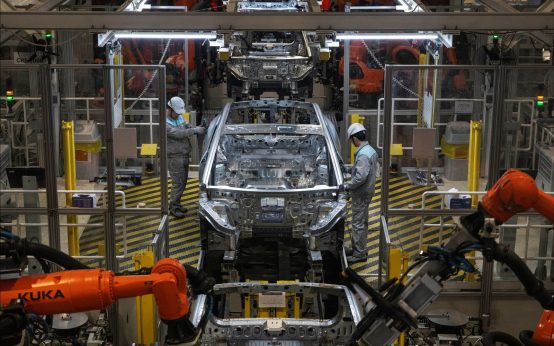 Trump’s Approach to China: Trade Dynamics and Challenges
  Media Outlets Sue After White House Ban
  American Public Opinion on Press Freedom
  Media Lawsuit Against Trump Administration for White House Ban
  The Cost of Challenging Beijing