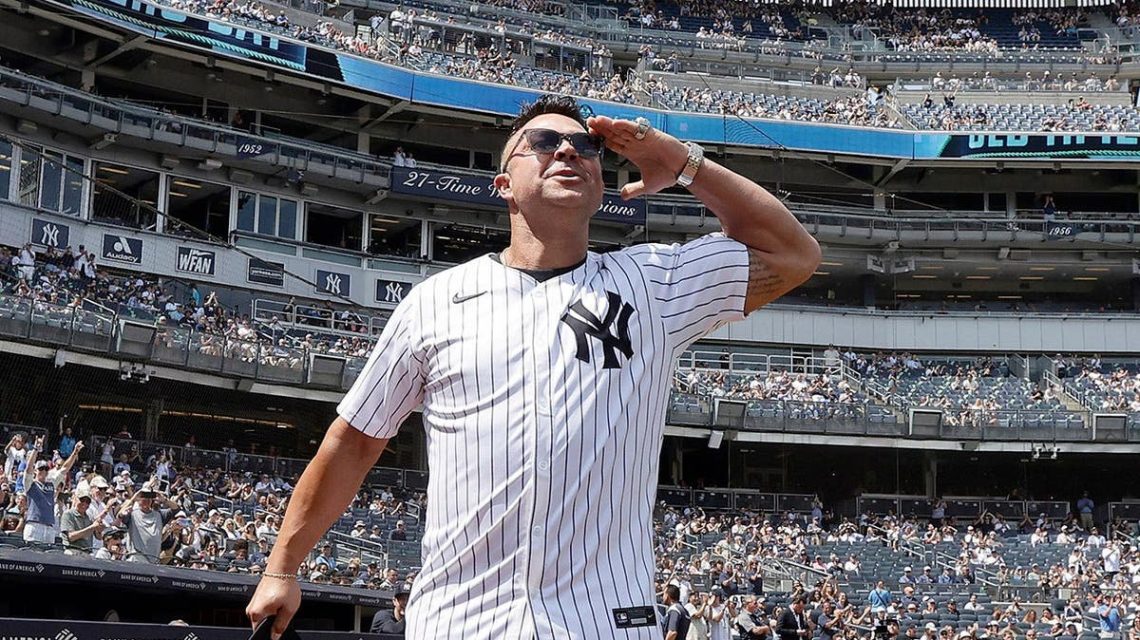
The current collective bargaining agreement between Major League Baseball (MLB) and the Players’ Association is set to expire in approximately three and a half months. As of now, there is no resolution in sight. Players are firm in their opposition to a salary cap, which owners have formally proposed for the first time since 1994. That year, similar proposals led to a major conflict.
Former MLB player Nick Swisher commented on the situation, saying, It really does feel like players union and the commissioner’s office are speaking two different languages right now.
This sentiment reflects the disconnect between the two parties.
The timing of these negotiations is particularly challenging. The MLB has experienced a resurgence, with attendance increasing for three consecutive years, replicating a trend last seen from 2004 to 2007. In contrast, after the players’ strike of 1994, attendance suffered significantly in 1995.
Swisher, who won a World Series with the New York Yankees in 2009 and now holds roles within the team’s front office and the league, offers guidance for both sides. He suggests, One of the things that I’ve always realized, especially now being in the business world, is you can’t go into a negotiation trying to win. That always ends up bad.
Swisher stresses the importance of finding common ground to avoid disrupting the progress the game has made.
He also touches on the financial dynamics within MLB. Players often blame small-market teams for not spending enough money. Conversely, these smaller franchises claim they can’t afford hefty contracts, leaving superstars to larger teams like the Los Angeles Dodgers, New York Mets, and Yankees. Swisher proposes a salary floor as a solution, which would ensure no team pays less than a certain amount annually.
He elaborates, You can’t have teams paying $60 million a year, because statistically, it shows that those low-market teams don’t make it very far into the playoffs.
Implementing a salary floor would allow more players to earn better pay, potentially leveling the playing field.
Swisher underscores the game’s current strong position, saying, We need to continue to keep this game going because I don’t want it to stop.
He emphasizes the need for a resolution to keep the fans engaged and maintain financial stability.
Recently, Swisher attended the Yankees’ Old Timers’ Day and played in a recreational softball game for fun. On behalf of Angry Orchard, he joined a struggling local team, contributing to their win with his participation.
Reflecting on the experience, Swisher remarked, To be part of this and to play with the Sons of Pitches today was absolutely legendary.
His collaboration with Angry Orchard highlights a commitment to inclusivity and investing in underdogs alongside winners.
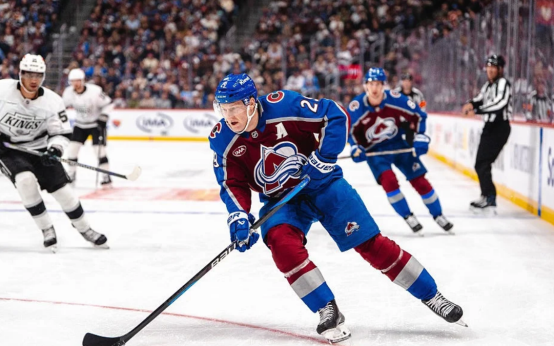 Colorado Avalanche’s Nathan MacKinnon Shines in Season Opener
  Yankees Sweep Red Sox, Advance to ALDS
  Ogunbowale Leads Dallas Wings to Overtime Victory
  Dallas Cowboys Acquire Joey Porter Jr. in Key Midseason Trade
 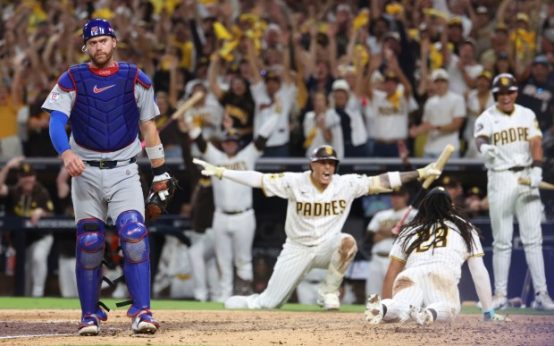 Chicago Cubs’ Season Ends in Wild-Card Sweep by Padres
 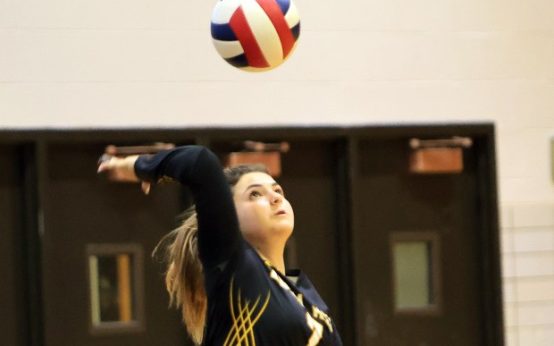 Metea Valley Libero Caroline Candela Shines with Her Aggressive Play