
Michigan’s Democratic Senate primary is pivotal in determining the party’s future direction. Two candidates, each embodying different ideologies, compete for the open Senate seat. Dr. Abdul El-Sayed, known for his progressive views, faces Representative Haley Stevens, a centrist preferred by traditional party leaders.
Dr. El-Sayed, previously a public health official, advocates for universal health care and challenges U.S. military involvement in Israel. He campaigned in Detroit, highlighting his focus on grassroots issues. Ms. Stevens promotes bipartisan efforts and support for Israel. She commenced her campaign day in Grand Rapids and aimed to reach Detroit by evening.
The race is marked by intense rivalries. Ms. Stevens accused Dr. El-Sayed of prioritizing personal fame. Dr. El-Sayed dismissed her claims, stating his goal is effective problem-solving. He remains confident in succeeding in the general election.
Mike Rogers, the sole Republican candidate, awaits the Democratic nominee. Democrats are split on which contender would present a stronger challenge. Dr. El-Sayed criticized Mr. Rogers’ capabilities, asserting confidence in a victory.
The Democratic rivalry includes aggressive exchanges and personal attacks. Dr. El-Sayed labeled Ms. Stevens as underqualified, scrutinizing her ties to pro-Israel lobbying groups. Ms. Stevens countered with accusations of El-Sayed blaming Jewish communities for his struggles.
Party unity concerns arise due to the primary’s divisive nature. Mallory McMorrow, a former candidate, advocates for cohesion post-primary. In Detroit, other primaries feature candidates like Representative Shri Thanedar competing against a democratic socialist opponent.
In Missouri, Cori Bush, a democratic socialist defeated by Wesley Bell, seeks a comeback in a St. Louis district. The race has seen AIPAC-influenced spending benefitting Ms. Stevens.
In Kansas, primary battles emerge as Governor Laura Kelly’s term nears its end. State Senator Ty Masterson, endorsed by Trump, challenges other Republican candidates. Democrats also contest the seat.
Washington’s elections demonstrate political division with Representative Marie Gluesenkamp Perez, a centrist Democrat, defending her seat against right and left challengers in rural areas. Her seat is a Republican target backed by Trump.
The Influence of Trump’s Endorsements
Trump’s support plays a role in various elections. In Washington’s Fourth District, retiring Representative Dan Newhouse’s seat sees competition among GOP candidates seeking Trump’s favor.
Virginia’s redefined districts present new challenges for candidates. The Supreme Court’s decision to nullify a Democrat-drawn map affects campaign strategies. Democrats remain hopeful about gains in traditionally Republican districts.
The contested Democratic Senate primary in Michigan will set the stage for November’s general election, impacting control over the Senate and the party’s ideological path forward.
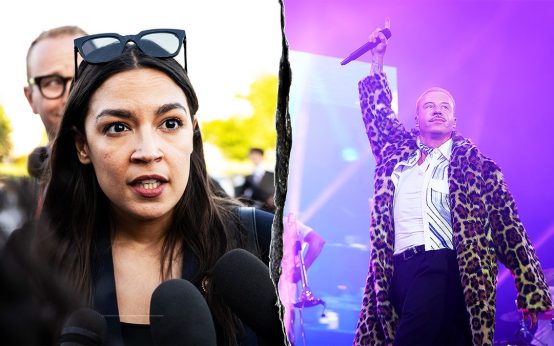 Rep. Alexandria Ocasio-Cortez Defends Macklemore Amid Tour Controversy
  Influence Concerns Surround California Political Donors
  Michigan Senate Race Sees Influences from Soros-Linked Funding
  Trump Seeks Diplomatic Success at the U.N. Amid Challenges
 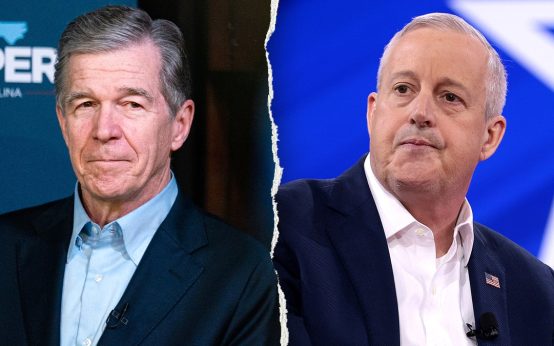 North Carolina Senate Race Influenced by Abortion Policy Messaging
  Trump Pressures Republicans on Filibuster Threat