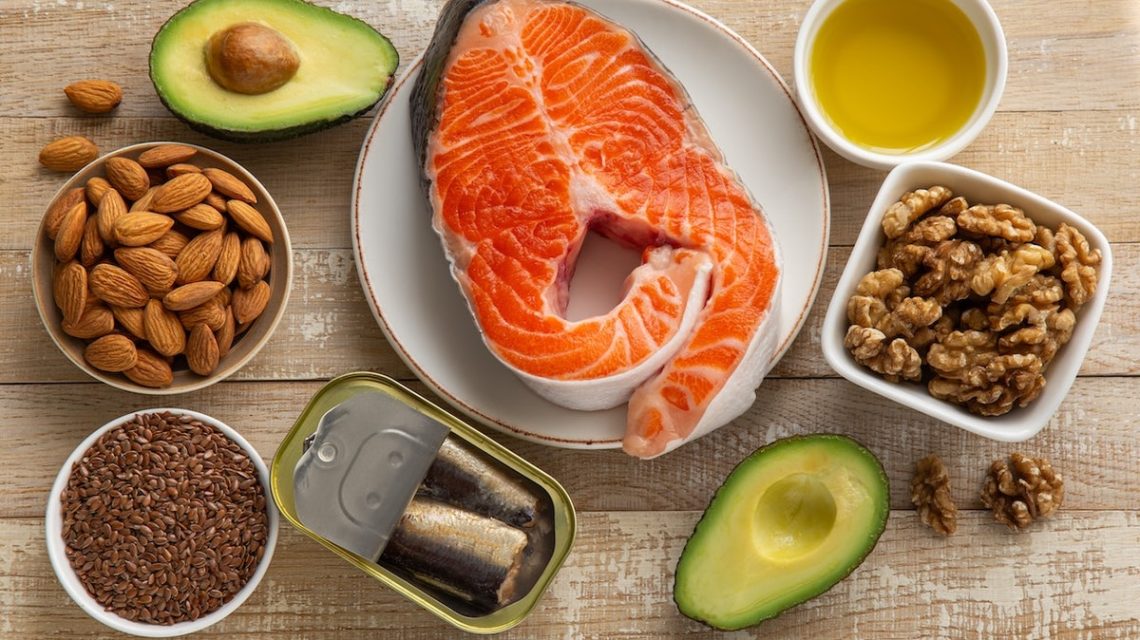
New research suggests that a diet rich in fruits, vegetables, fish, and olive oil can help maintain cognitive strength even in old age. Older adults in England who followed a Mediterranean diet during the COVID-19 pandemic reported better psychological well-being than those who did not.
The study observed over 3,000 individuals aged 50 to 90 to analyze the connection between their dietary habits and long-term life outlook. This information, disclosed in a press release, indicated that people closely adhering to the Mediterranean diet experienced enhanced well-being.
Surveys and Findings
Participants completed surveys evaluating positive psychological traits such as autonomy, life satisfaction, purpose, and control over daily life. Researchers then scored them on how closely their diets aligned with a traditional Mediterranean diet.
The well-being improvement associated with this diet was independent of caloric intake, highlighting the importance of food types consumed.
Even after considering factors like income, education, physical activity, smoking habits, and general physical health, the diet showed a strong link to enhanced well-being.
Impact During Pandemic
Throughout the pandemic, emotional well-being decreased among all participants, but the drop was less severe for those sticking to the Mediterranean diet, according to data published in BMJ Open.
This diet is naturally rich in anti-inflammatory components, such as omega-3 fatty acids from fish and polyphenols in extra-virgin olive oil.
Nutritional Benefits
The diet supports the brain and gut health by reducing inflammation. This is achieved through various nutrients, including omega-3s and polyphenols, which help regulate mood-related hormones.
Kim Kulp, a registered dietitian nutritionist, explained that these plant-rich diets enhance overall health by increasing nutrient intake, providing inflammation-reducing compounds, and feeding gut microbes.
Limitations and Considerations
There were some limitations, such as reliance on self-reported dietary surveys, which may be inaccurate. Participants were generally healthier and wealthier, so the findings might not apply universally.
The study gathered dietary data and psychological well-being assessments on only two occasions shortly during the COVID lockdowns. This data collection may not suffice for conclusive results.
The observational nature of the study does not confirm a direct cause-and-effect link between the diet and mental health improvements.
Nonetheless, a diet comprising fruits, vegetables, whole grains, nuts, seeds, and legumes can contribute significantly to stress reduction and the enhancement of well-being, particularly in challenging times.
 Challenges Faced by the Family of a Rare Cancer Patient
  Keys to Effective Post-Exercise Recovery for Adults Over 35
  Personal Journey in Understanding Neurodegenerative Diseases
  Artist Speaks Out on Rare Condition Impacting Her Career
  Durham’s HEART Program: A New Approach to Public Safety
  Mindfulness: Manage Stress by Embracing the Present