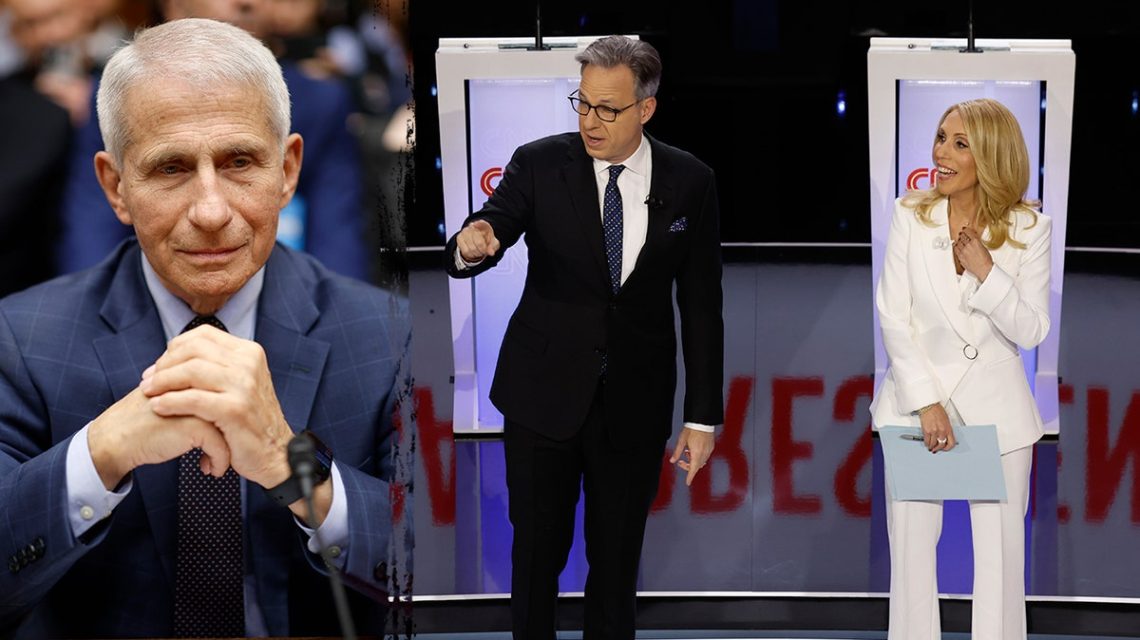
Evaluating the coverage of congressional committee investigations by broadcast networks highlights a perceived Democratic Party bias. When investigations aim to tarnish Republican reputations, the media amplifies their importance. The January 6 Committee led by former House Speaker Nancy Pelosi serves as a clear example, lacking Republican representation.
Conversely, when committees focus on holding Democrats accountable, media coverage diminishes. On July 25, Kentucky Republican Senator Rand Paul released Dr. Anthony Fauci’s diary entries spanning from 2019 to 2022, with minimal initial media attention. ‘CBS Evening News’ managed only a brief 24-second report.
The diaries contained noteworthy entries. Fauci conceded early that COVID likely did not originate from the Wuhan wet markets but dismissed the lab-leak theory as fringe. His friendly relationships with journalists were also noteworthy. A text from ABC’s George Stephanopoulos praised Fauci following an interview. Fauci also detailed forming a friendship with CNN’s Jake Tapper, including dining at Tapper’s home.
During hearings, media portrayal shifted. ABC’s Jay O’Brien expressed concern over Fauci facing a ‘fiery hearing’ at his age, with Republicans portrayed as antagonistic. CBS and NBC repeated arguments accusing Republicans of biased investigations while downplaying Fauci’s celebrity pursuit or alleged influence over lockdowns.
The coverage inherently reflects partisan bias. Republican hearings receive less favorable portrayals, while Democrat-led inquiries are shown as significant democratic exercises. This disparity contributes to the declining trust in media institutions.
Tim Graham, Executive Editor of NewsBusters.org, co-authored ‘Unmasked: Big Media’s War Against Trump’ with Brent Bozell.
 A Mother’s Tragic Journey Under Abortion Ban
  U.S. Strategic Goals Remain Unmet Amid Prolonged Conflict
  The Impact of Arts and Closure on Democracy
 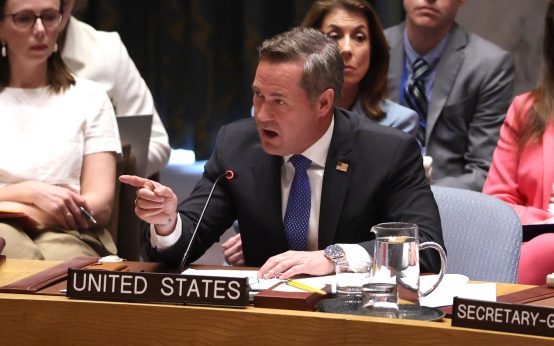 U.S. Ambassador Comments on Iran War Duration Amid Political Concerns
 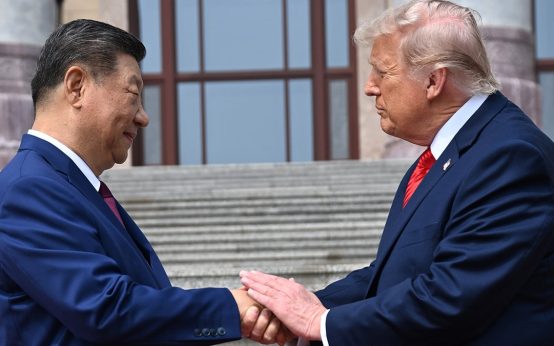 US-China Relations Under Scrutiny: Expert Warns of Escalating Tensions
  No Timeline for End of Iran Conflict