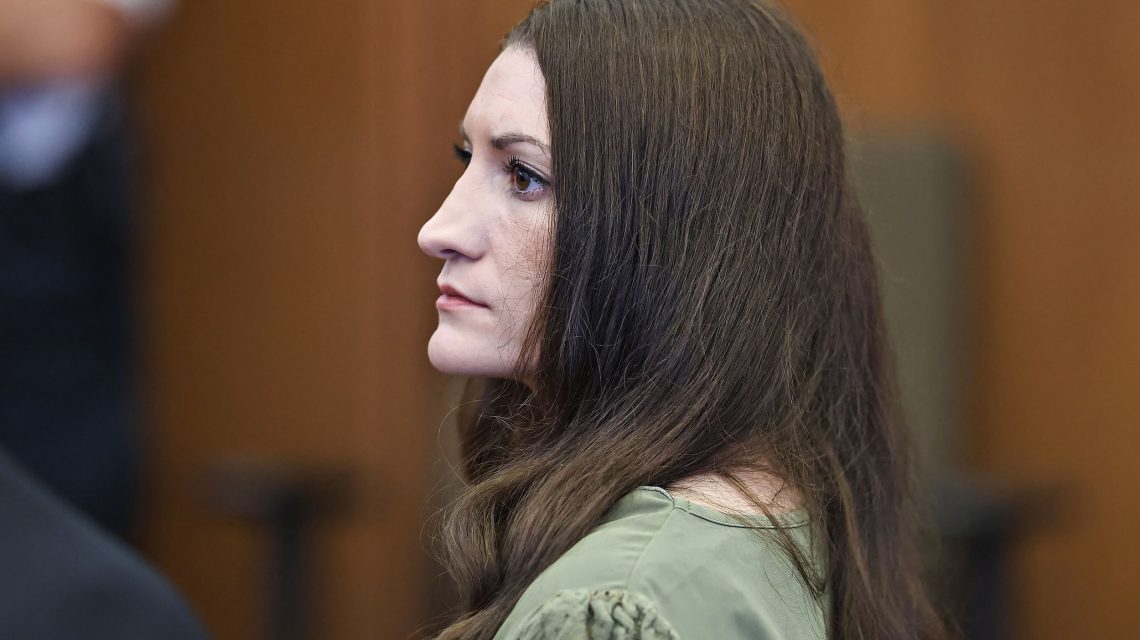
Trial Summary
The trial of Lindsay Clancy, accused of murdering her three young children, ended in a mistrial. The jury could not reach a unanimous decision, leading to legal experts questioning the prosecution’s strategy.
Prosecution Challenges
Prosecutors aimed to convict Clancy of first-degree murder. However, they inadvertently supported the defense’s argument about Clancy’s mental health struggles. Legal analysts suggest this weakened their case. Witnesses failed to convince all jurors that Clancy understood right from wrong at the time of the crime.
Next Steps for Clancy
Lindsay Clancy returned to Tewksbury Hospital, a psychiatric facility, while awaiting the prosecution’s decision on a retrial. Plymouth County District Attorney Timothy Cruz will decide whether to pursue a retrial or consider lesser charges.
Family Reactions
Patrick Clancy, her ex-husband, expressed the emotional toll a retrial would bring. He thanked the court and jurors for their efforts but highlighted the pain of reliving the tragedy.
Legal Strategy and Future Trials
Attorneys and legal analysts discussed the potential legal strategies for a retrial. A bench trial or reduced charges could be considered. The challenge of forming an impartial jury due to media attention was highlighted.
Civil Case Against Healthcare Providers
Clancy’s civil attorneys announced plans to proceed against her healthcare providers. They allege negligence by the doctors and medical providers responsible for Clancy’s prior treatment.
Social Media and Public Perception
Defense attorney Reddington addressed rumors and misinformation on social media. He emphasized that despite online claims, the focus remains on the legal process.
Impact of the Mistrial
The mistrial has prompted discussions on the handling of mental health within the legal system. The prosecution’s future steps will be closely watched by legal analysts and the public.