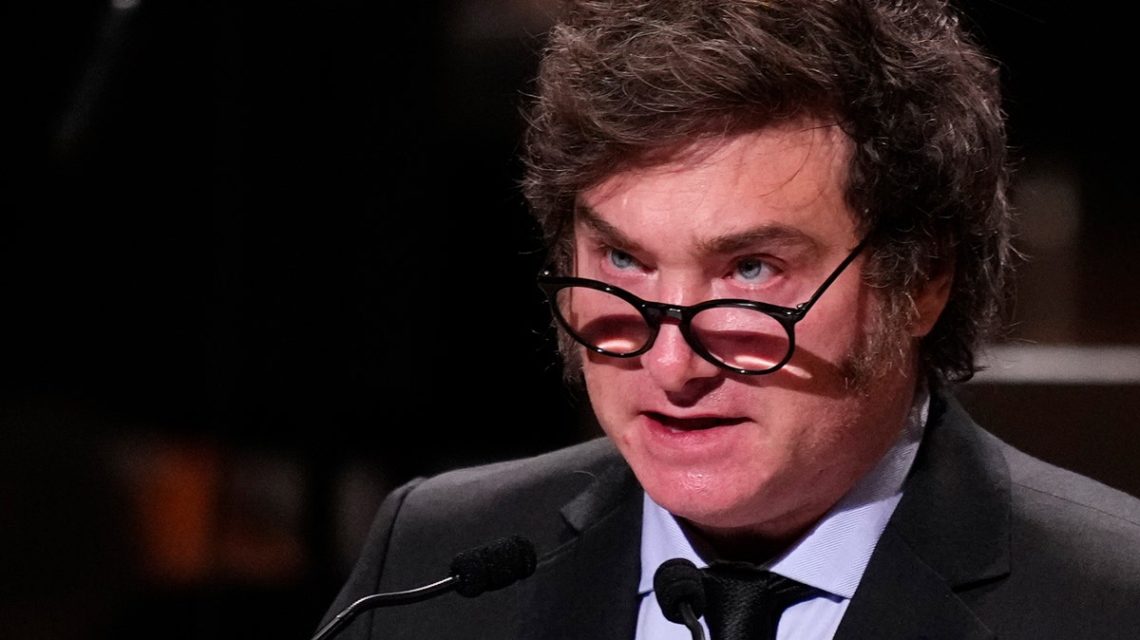
Donald Trump recently congratulated Abelardo De La Espriella, a Colombian presidential candidate known as ‘El Tigre,’ following an initial ballot count. Although the results are not official, the narrow lead indicates a potential shift to the right for Colombia.
The political landscape in Latin America has changed significantly. Many countries, including Argentina, Chile, Paraguay, Peru, Colombia, Honduras, El Salvador, Ecuador, and the Dominican Republic, are now governed by right-wing or center-right governments that align with the strategic position of the United States.
Mexico, Brazil, Uruguay, and a few others have not followed this broader shift. Countries like Cuba and Nicaragua continue as closed authoritarian regimes, while Venezuela stands as an example of the consequences when left-wing governments lose legitimacy and protection.
The United States has moved from diplomatic pressure to using force in Latin America’s strategic environment. This included actions in Cuba and the Iran war, signaling that hostile regimes could be destabilized or removed. As a result, Latin America is treated less as a diplomatic afterthought and more as a security perimeter.
Events like Maduro’s fall in Venezuela and the Cuba fuel crisis have shifted political incentives across the region. The Iran war impacted energy prices and reshaped election outcomes in places like Chile and Colombia. These factors influenced leaders, voters, business elites, and security forces.
Voters may overlook weak economic growth temporarily, but they demand security from their government. Vulnerability prompts voters to prioritize force over ideals.
The rise of hardline security politics, exemplified by leaders such as Nayib Bukele from El Salvador, highlights this trend. Bukele’s policies, including emergency powers, mass arrests, and military presence, have become significant exports in Latin America.
In Colombia, Abelardo de la Espriella’s popularity was fueled by various local issues, including violence and legislative gridlock. His appeal was characterized by his willingness to act decisively, a sentiment that resonated with the regional context favoring strong U.S. policies.
Peru saw Keiko Fujimori rise to power on a security-first platform during a time of political instability and crime. Her victory reflected voter fatigue rather than enthusiasm, signaling a cautious acceptance of a familiar political choice over new alternatives.
The narrow right-wing victories in Colombia and Peru suggest a societal quest for order amidst institutional disarray rather than broad consensus.
Although Trump did not initiate this demand for security, his geopolitical approach provided it structure. The U.S. is no longer treating Latin America solely as a development challenge. Security concerns, cartels, migration, Chinese infrastructure, ports, energy, and minerals are now central to U.S.-Latin American relations.
Alignment with Washington is essential for protection and seriousness, offering governments a strategic advantage and signaling stability to investors, security forces, and voters.
While a more U.S.-aligned Latin America can enhance cooperation on issues like counternarcotics and migration, a region governed by pro-American leaders is not necessarily one with strong democratic institutions.
The new right must demonstrate effective governance to maintain public trust in the pursuit of security and order.
 The War on Poverty: A Lesson on Intentions and Outcomes
  Reporters Blocked from White House by Trump Administration
  Universities Should Reject Political Influence on Research Funding
  Trump’s Approach to China: Trade Dynamics and Challenges
  Media Outlets Sue After White House Ban
  American Public Opinion on Press Freedom