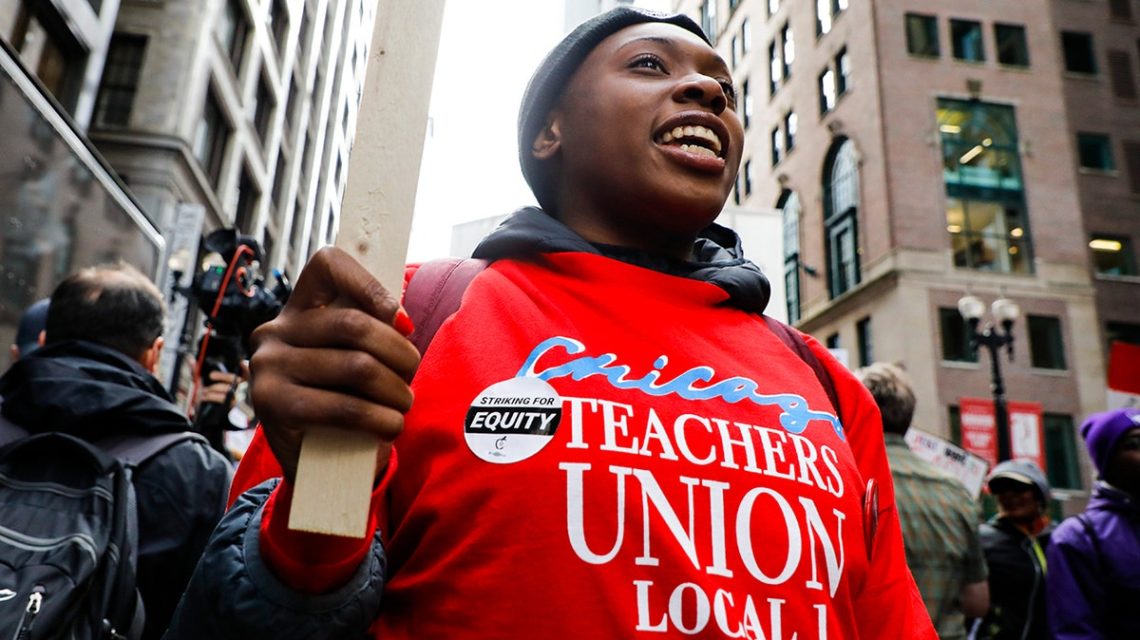
As summer ends, many Americans anticipate Labor Day, the first major celebration of the fall season. This day acknowledges the American worker, whose dedication sustains our living standards.
However, union leaders often shift focus from celebrating workers to advocating for increased government-backed powers. Instead of honoring those they claim to represent, they use this day for political leverage, protecting their positions.
Today’s unions largely rely on government-backed power. They do not earn individual worker support but rather use federal laws that impose one-size-fits-all “representation” on workers, regardless of opposition. In 24 states lacking right-to-work laws that allow voluntary union financial support, union leaders can legally pressure dissenting workers with threats of termination if they refuse to pay dues.
Even supporters of compulsory unionism recognize the potential negative impact of union powers on workers they represent.
Robert Reich, former Labor Secretary, known for backing expanded union powers, voiced concerns over legislative shifts prioritizing voluntary union membership over coercion. He asserted that unions must maintain some control over their members. Similarly, Vice President Kamala Harris, as a former California Attorney General, admitted that union monopoly contracts often harm some workers’ economic interests.
A Rasmussen Media Group poll revealed that 79% of union members oppose compulsory union dues as an employment condition. Despite this, unions persist in pursuing expanded coercive powers through legislation.
The “PRO Act” is a priority for major labor organizations in Congress. It aims to repeal right-to-work laws in most states, enforcing union dues and monopoly bargaining nationwide. This act includes controversial provisions like the “card check” method for union organizing, bypassing secret ballot elections and enabling direct employee pressure. Additionally, the act hinders workers’ ability to decertify unwanted unions, binding them in compulsory dues arrangements for extended periods.
Early union leaders emphasized voluntary membership, contrasting with today’s union officials who seek to undermine worker rights for political purposes. Samuel Gompers, regarded as a pioneer of the American union movement, advocated for voluntarism, arguing that lasting benefits never arise from compulsion.
This Labor Day, consider the stance of true worker support. Reject union rhetoric that infringes on workers’ freedom of choice. Labor Day should focus on workers, not union agendas.
Mark Mix serves as president of the National Right to Work Committee and National Right to Work Foundation.
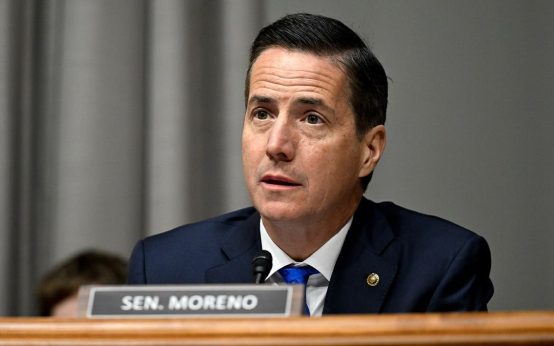 Senator Criticizes Drug Policy After Ohio Tragedy
  Israeli Leader’s Upcoming U.N. Assembly Speech Marked by Controversy
  Republicans Call for Quick Resolution to Iran Conflict
  United States Secures Arctic Defense Pact
  Senator Warren Seeks to Restrict Private Equity in Restaurant Chains
 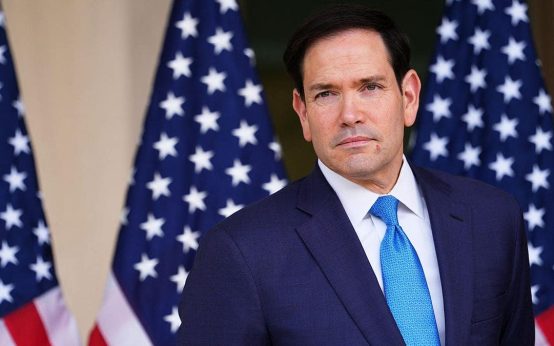 Marco Rubio’s Expanding Role in Trump Administration