
The primary elections in Michigan are a focal point, with Democratic Senate candidates Dr. Abdul El-Sayed and Representative Haley Stevens competing in a significant test of the Democratic Party’s direction. Dr. El-Sayed, advocating for universal health care and critical of U.S. aid to Israel, campaigns in Detroit. In contrast, Stevens, a centrist with strong Israeli ties, starts her day in Grand Rapids, Michigan.
This election sees a face-off between progressivism and centrism within the party. Dr. El-Sayed describes himself as focused on action in unnoticed areas, while Stevens attacks him for allegedly seeking fame. Both candidates aim to fill Senator Gary Peters’s soon-to-be-vacant seat in this battleground state.
The winner will challenge former Representative Mike Rogers, running unopposed for the Republican nomination. Democrats are divided on which candidate might fare better against Rogers, with worries about party unity post-primary.
Other Developments:
In Virginia, Democratic voters have chosen former Representative Elaine Luria to face Republican Representative Jen Kiggans. This House race is highly competitive, featuring two Navy veterans.
In Missouri, Cori Bush is attempting a political comeback against Wesley Bell, who previously defeated her with support from pro-Israel groups.
The Michigan Senate primary has seen massive spending, especially from AIPAC, totaling around $60 million. Such heavy investment has been a central issue in this race.
Labeling the primary as a major party test, Democrats are looking to hold their ground in states like Kansas and Washington, while securing gains elsewhere.
Another race of interest includes Shannon Taylor, a law-and-order Democrat, who secured the Democratic nomination in Virginia’s First Congressional District.
Voter Concerns:
Key issues for Michigan voters in this primary revolve around the economy, health care, and opposition to President Trump. Economic concerns include the cost of living and business impacts, while healthcare accessibility remains a priority.
Dr. El-Sayed’s campaign is viewed favorably by younger voters and those critical of AIPAC’s influence. In contrast, older voters tend to support Stevens, highlighting a demographic challenge.
As votes are counted, analysts are looking at whether Michigan voters prefer the pro-Israel stance of Stevens or the progressive platform of El-Sayed.
Final results will reveal which strategy resonates more with Democratic voters, offering insight into the evolving dynamics within the party.
 Allan Lichtman’s Framework for Assessing Presidential Greatness
 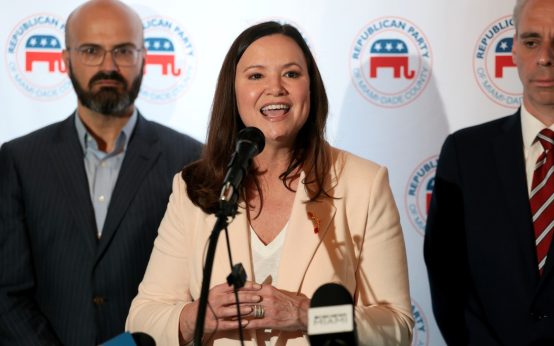 Florida Senate Race Tightens as Recent Polls Show Dead Heat
 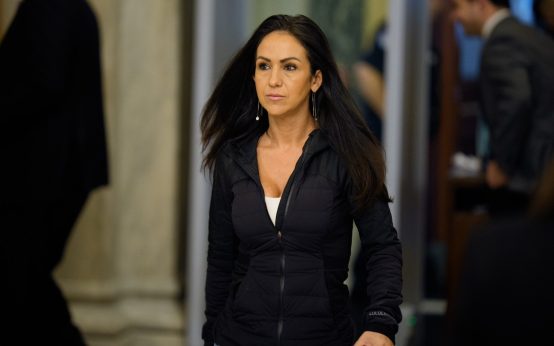 Ethics Complaint Targets Colorado Representative Lauren Boebert
 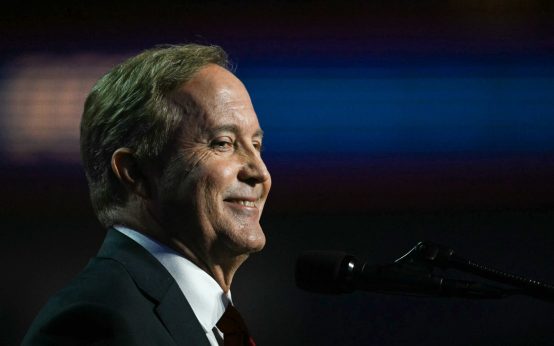 Ken Paxton’s Campaign Funding and Polls
  Inside the Secret Deals Powering the President’s Push to Deport Migrants to Countries Not Their Own
  Independence of Research from Political Agendas