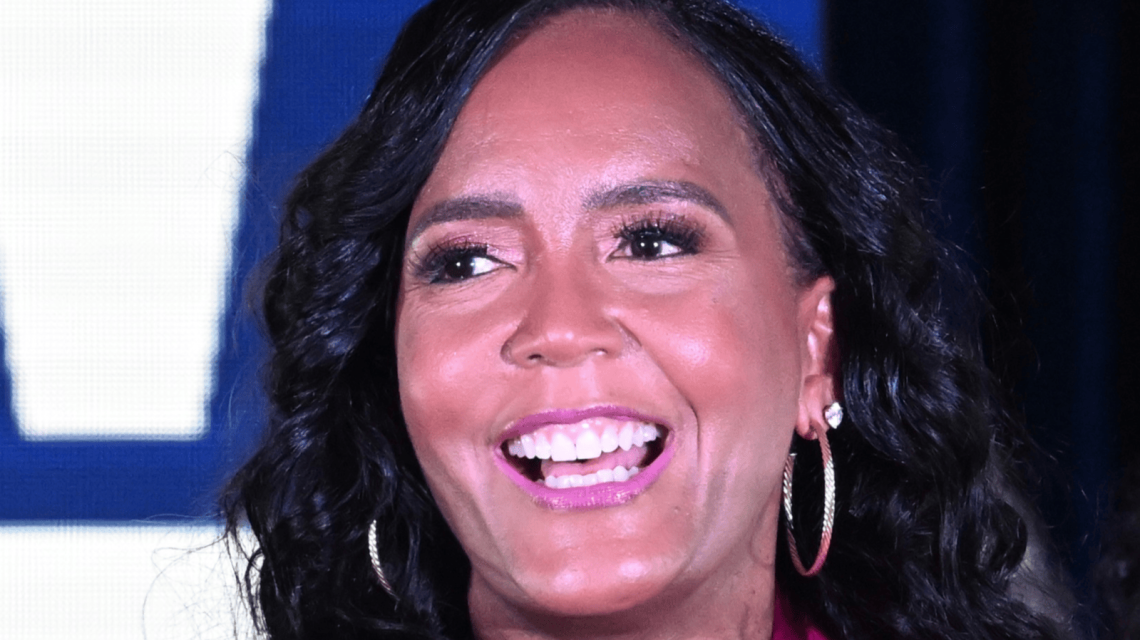
Governor-elect Keisha Lance Bottoms is gearing up for a January initiative to expand Medicaid in Georgia. This expansion could offer coverage to hundreds of thousands of uninsured adults. On November 18, Lance Bottoms emphasized Medicaid as a key priority while announcing her senior transition staff and seven policy committees that will help shape her budget and legislative program.
“We have important work ahead to deliver for Georgians by reducing costs, expanding Medicaid, and building a stronger future for the next generation,” she stated.
Her recent election victory gives a clearer path for this policy through the governor’s office and state House. However, Republicans maintain control of the Senate and can block or modify any proposals. While expansion could benefit low-income workers, parents, rural residents, and individuals with disabilities, new federal requirements may complicate the enrollment for some eligible individuals.
Significance of Medicaid Expansion
Georgia is one of ten states that have not fully adopted Medicaid expansion under the Affordable Care Act. This leaves a significant gap in unresolved health policy. Expansion would extend the program to adults earning up to 138% of the federal poverty level, which is about $22,000 for an individual by 2026. The federal government would cover 90% of the coverage costs, with the state funding the rest.
An analysis by the Center on Budget and Policy Priorities of 2024 census data estimated that about 347,000 uninsured Georgians could qualify. This group includes 255,000 people in working families, 103,000 parent caregivers, 55,000 adults with disabilities, and 77,000 residents in rural areas. However, the new work requirements could exclude some applicants and introduce bureaucratic obstacles for others.
Current Political Landscape
In the political arena, Democrats control Georgia’s governorship and the House, while Republicans have a 29-27 majority in the Senate. A federal work mandate requires many enrollees to document at least 80 hours of work or a relevant activity each month. The “Better Care. Healthier Georgia” committee formed by the incoming administration will analyze health and human services, engage with agency leaders, and propose legislative actions needed for the transition from Governor Brian Kemp’s administration.
Creating viable legislation that can navigate the divided government is essential. Democrats hold a narrow House majority but any measure must gain support in the Republican-controlled Senate. State Senator Russ Goodman, a Republican who has supported past expansion efforts, expressed openness to a proposal, saying, “You can’t commit to anything until you see it.”
Implications of the One Big Beautiful Bill Act
The expansion would be governed by altered rules set by the One Big Beautiful Bill Act, signed by Trump in 2025. The act aims to reduce federal Medicaid spending by nearly $1 trillion over time. It complicates state efforts to raise Medicaid funding through provider taxes, prohibiting new taxes and capping existing ones at 2025 levels. The Congressional Budget Office projects these changes will cut federal spending by $226 billion by 2034.
Georgia hospitals face a dilemma: reducing the number of uninsured patients against receiving reduced payments for some beneficiaries transitioning from private plans to Medicaid. Caylee Noggle of the Georgia Hospital Association, noted, “There are benefits and trade-offs to traditional expansion.”
Navigating Enrollment Challenges
Georgia’s existing Pathways to Coverage program highlights difficulties with employment-linked insurance adminstration. It has enrolled only 15,000 people despite estimates that 240,000 might qualify. Senior health policy officer Ryan Loke stated at a conference that he was confident Medicaid would expand in 2027. He compared Georgia’s Medicaid system to “Windows 97,” noting it requires “45 to 60 clicks” to enroll an applicant.
Jen Wagner of the Center on Budget and Policy Priorities emphasized the need for a more user-friendly application, accessible online systems, and streamlined verification processes. Federal officials have provided some flexibility, allowing states until June 30, 2027, to test their compliance systems regarding the new work requirement.
Lance Bottoms faces intertwined tasks: gaining Republican support, designing an agreeable financing model, and creating an efficient enrollment system. For Georgians delaying essential medical care, the ultimate measure of success will be whether political advancements translate into accessible health insurance.
 Impeachment Effort Against Pete Hegseth Fails
 Legal Hurdles Delay Trump’s Memorial Arch Construction
 Ambetter Health Plan Faces Criticism for High Denial Rates
 Trump Welcomes Freed American Citizen from Russian Imprisonment
 Massachusetts Sues Trump Administration Over Illegal Courthouse Arrests
 Caregiving Challenges for Older Adults