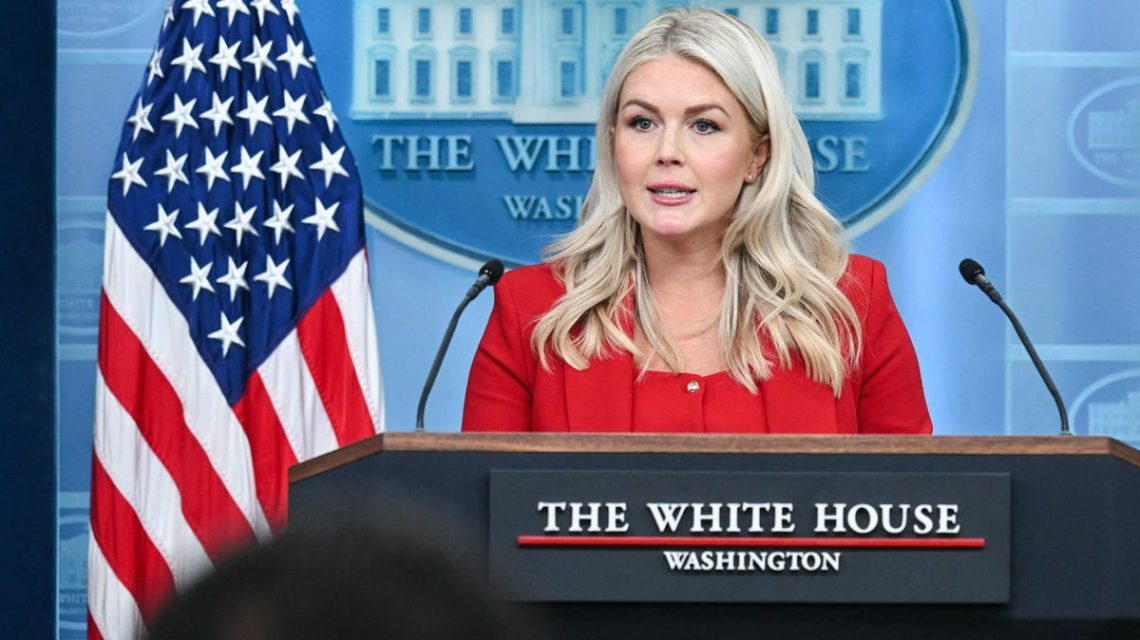
At the end of this month, Karoline Leavitt will conclude her tenure as White House press secretary, a period marked by her exceptional handling of the role. Her tenure is considered one of the most impactful in the history of the office. A significant part of her legacy is her commitment to opening the briefing room to independent media.
Leavitt managed her responsibilities with skill, a challenging task given her role with President Donald Trump, who is known for his frequent and extensive communication. Despite his dynamic messaging, she managed to maintain stride effectively, never falling behind.
Leavitt maintained composure at all times, exhibiting confidence and a touch of humor. Even when she playfully engaged with reporters, it rarely led to conflict or tension.
“This is where I stand, you have to move!”
Leavitt has left a lasting impact on future press secretaries by prioritizing openness to smaller media outlets and social media influencers. She introduced the practice of starting each press conference with a question from the “new media seat.” Initially, this approach faced criticism from established media outlets, but it has since gained acceptance.
The briefing room evolved with the entry of bloggers and social media personalities, becoming a platform for diverse voices. These new participants contributed significantly by addressing topics often overlooked by traditional media.
Leavitt recognized that the White House briefing room serves dual purposes: conveying the president’s message and bringing public concerns to the administration. Influencers, despite some criticism, have a direct connection with their audiences, including young people.
Andrew Kolvet from Turning Point USA praised Leavitt, noting, “She forced legacy news media to raise their game and opened new media voices to this space.” Kolvet also mentioned her engaging exchanges as a draw for young viewers.
Leavitt incorporated voices like Andy Ngo, highlighting threats from Antifa activists, resulting in significant legal actions. Meanwhile, activist reporters like Nick Shirley have exposed potential financial misconduct.
The opening of the press briefing room to independent media is Leavitt’s enduring legacy. It is likely to continue beyond her tenure, persisting regardless of changes in the administration. Even if political control shifts, excluding these new voices would be challenging.
Leavitt’s ability to communicate effectively has placed her alongside esteemed press secretaries like Tony Snow and Ari Fleischer. However, her significant contribution lies in giving new media a platform at the White House, thus amplifying the voices they represent.
Karoline Leavitt will be missed, but her commitment to inclusive media representation will endure, continuing to shape the way the White House engages with the press.
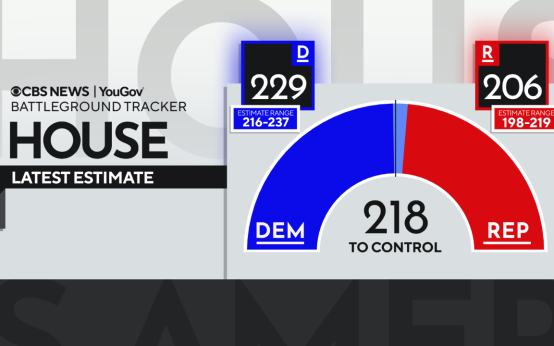 Key Insights from the Latest CBS News Poll on Midterms
  Trump’s Influence on Executive Power
 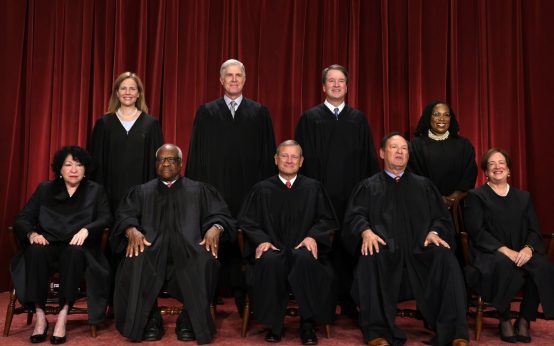 Supreme Court’s New Term: Key Cases and Challenges
 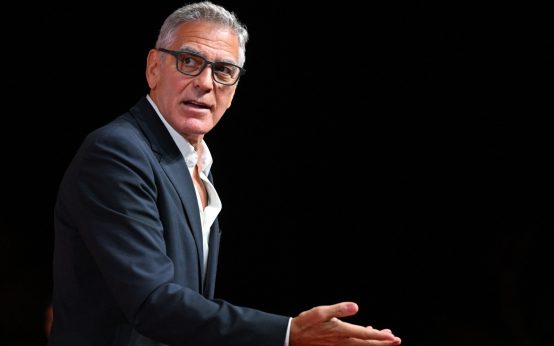 Actor George Clooney Identifies Prominent Democrats Ahead of 2028 Election
 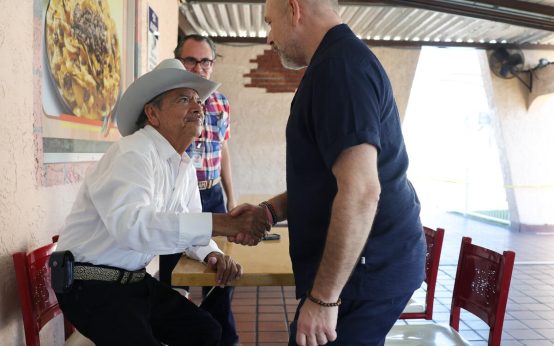 Steve Hilton’s California Dream: Wooing Latino Voters
 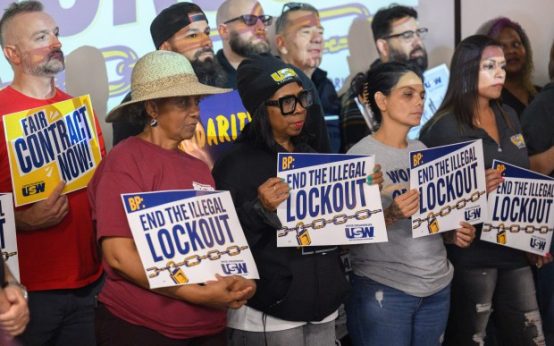 Indiana Legislators Advocate for Unemployment Benefits for Locked-Out Workers