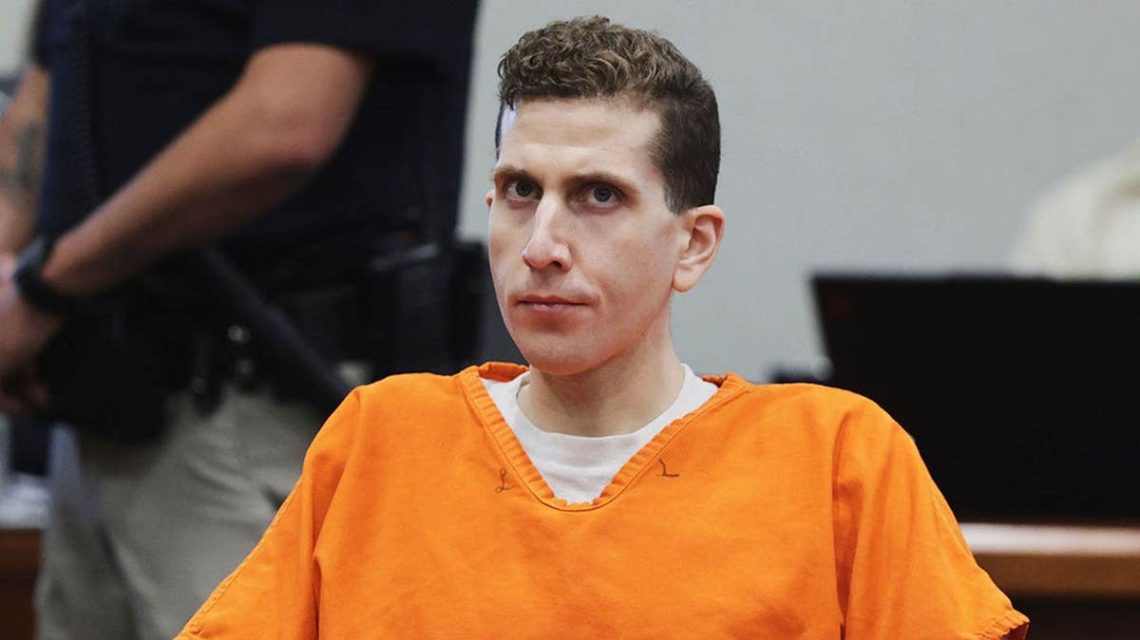
A judge has approved Bryan Kohberger’s request for a new attorney as he seeks a new trial, despite his previous guilty plea to the 2022 murder of four University of Idaho students. Legal expert Mehek Cooke highlights the challenges of overturning a guilty plea, while the victims’ families struggle with the ongoing heartache.
Kohberger was convicted of stabbing four students: Madison Mogen, Kaylee Goncalves, Ethan Chapin, and Xana Kernodle at an off-campus house in Moscow, Idaho. He received four life sentences without parole after pleading guilty to avoid the death penalty. A Netflix documentary series, ‘The Idaho Murders: College Nightmare,’ explores the case and potential motives behind his actions.
Filmmaker’s Insights
Skye Borgman, director of the docuseries, suggests Kohberger chose the house because it was home to several women, indicating a possible motive linked to a disdain or hatred for women. Borgman reflects on Kohberger’s alleged struggles with relationships and associations with the ‘incel’ movement.
The question remains: why did he target that house?
Interviews in the documentary detail Kohberger’s aggressive interactions, especially towards women. Former classmates and law enforcement officials recount his disturbing behavior before the murders. Some characterized him as ‘creepy’ or ‘argumentative.’
Community and Law Enforcement Impact
Moscow Police Chief Anthony Dahlinger and former Washington State University Police Chief Gary Jenkins describe Kohberger’s interactions as troubling, though not criminal. Still, these behaviors left a significant impact on the community and law enforcement.
Ed Jacobson, an FBI agent involved in the investigation, notes there was no evidence linking Kohberger to the ‘incel’ group. However, Kohberger adeptly concealed his online activities.
Importance of Motivation
The victims’ families, as well as the community, have pursued understanding to find peace. Borgman suggests Kohberger sought infamy through committing what he perceived as the ‘perfect crime.’
Interviews with victims’ families reveal a shift in focus from seeking answers to honoring their loved ones’ memories. They aim to support other families experiencing similar tragedies.
Kohberger’s recent appeal to withdraw his guilty plea, citing coercion by his lawyers, highlights the complexity of legal challenges in such cases.
The crimes have left a lasting impact on Moscow, Idaho, fostering both fear and unity within the community. Despite the gravity of the situation, the community and the victims’ families remain resilient, focusing on the future.