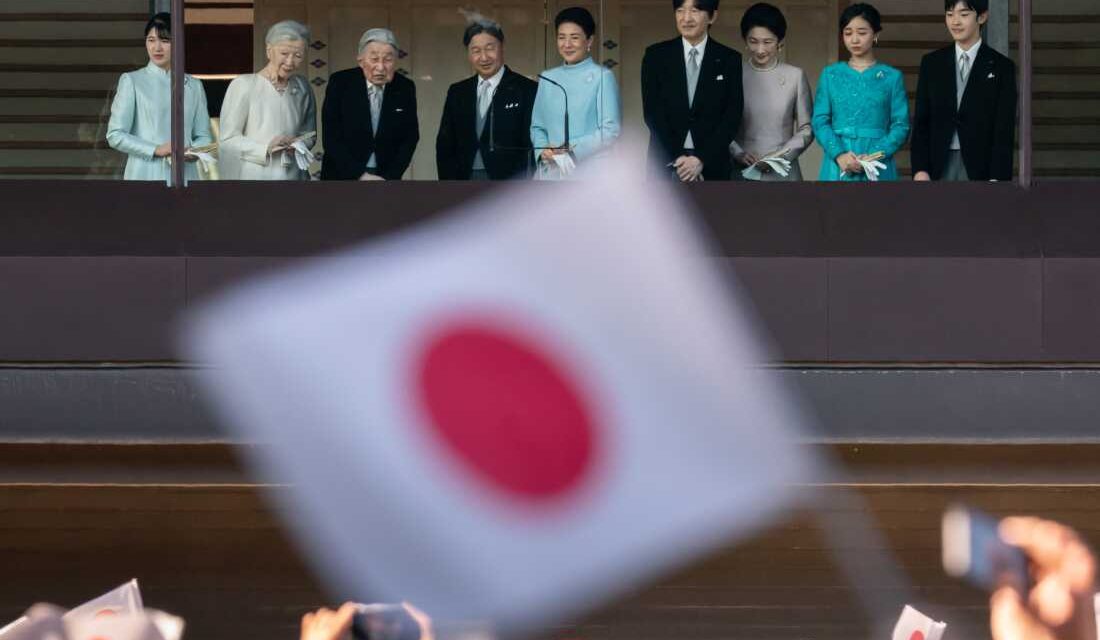
Japan’s upper house of parliament recently approved changes to the law regulating succession in the imperial family. This follows a similar decision by the lower house. The changes aim to ensure a stable number of family members and maintain public duties as the imperial lineage ages and shrinks.
Critics argue the revisions have a clear goal: preventing a future female emperor. Seiichiro Noboru, a former Japanese diplomat, suggests this reflects underlying biases. Japan’s constitutional monarchy and its stability hold significance as the nation strengthens its military role on the global stage.
According to the new rules, princesses can stay in the royal family if they marry a commoner. Additionally, the family may adopt male-line descendants from former imperial branches. While these adopted men can’t inherit the throne, their male children might.
The imperial family currently has one young heir, 19-year-old Prince Hisahito, nephew of 66-year-old Emperor Naruhito. Noboru notes, “If a female emperor were recognized, complex adoption lines wouldn’t be necessary.”
Princess’s Popularity Influences Opinion
Princess Aiko, Emperor Naruhito’s 24-year-old daughter, is seen as a potential candidate for the throne. Her popularity is a factor in public support for female emperors. Polls show 60% to 90% of Japanese people favor a female ruler.
However, Japan’s first female prime minister, Sanae Takaichi, opposes this. “The imperial line’s male-only succession is the basis of its authority,” she stated. Historically, Japan has had eight female emperors, all from the male line.
Historical Context of Male-Only Succession
The male-only practice began in 1889 with the Meiji government’s Imperial Household Law. Emperors were seen as commanders and semi-divine. Married women’s rights were limited under the Meiji civil code.
Historically, many emperors were born to concubines due to high infant mortality and infertility rates. Noboru contends barring women today breaches constitutional gender equality. He points to Article 1, which asserts the emperor symbolizes the nation, determined by the people’s will.
Emperor Naruhito cautiously addressed the issue, seeking public understanding of the need for a sustainable number of imperial members.
Chie Kobayashi contributed from Tokyo.
 Google Fined for Breaching EU Privacy Rules
  South China Sea Tensions Rise after Collision between Chinese and Philippine Ships
 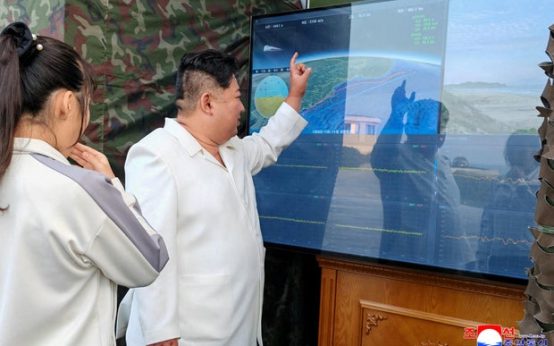 North Korea’s Hypersonic Weapon Test Amid Global Tensions
  Austin Tice: A Search for Answers
 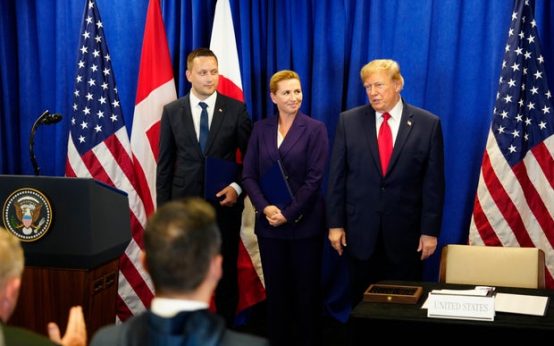 U.S., Denmark, and Greenland Forge New Security Agreement
  Secretary Rubio Discusses Middle East Conflict and NATO Relations