
Philadelphia Eagles quarterback Jalen Hurts is tackling a major health challenge. He is dealing with blood clots in his lungs, which may keep him off the field for an extended period. These developments raise concerns about the medical management he received. Both the Eagles and Hurts’ agent, Nicole Lynn, have expressed optimism about his recovery.
The team anticipates Hurts will need significant time to recover, potentially missing the rest of the NFL season. Despite having been cleared to play recently, problems began after he had a blood clot in his leg. He played against the Jacksonville Jaguars, albeit with difficulty, completing 222 yards with a touchdown pass. The Eagles were narrowly defeated by the Jaguars, 19-17.
Complications have accelerated with the diagnosis now extending to deep vein thrombosis (DVT) and bilateral pulmonary emboli. This poses severe health threats. The CDC outlines DVT as clots forming in deep veins, mainly affecting the lower body, while pulmonary embolism refers to clots migrating to the lungs.
Dr. Jon LaPook, not personally treating Hurts, explained the gravity of this. He detailed how clots could travel to vital organs, resulting in pulmonary emboli, a serious condition. He remarked that it’s early to determine if the condition could end Hurts’ career.
Treatment is typically via blood thinners over a three-month period. Post-treatment, a thorough examination will assess if clotting risks continue. This revelation led to criticism of the Eagles’ medical team. Their head coach, Nick Sirianni, explained reliance on medical staff for decision-making. He stated trust in their expertise while steering away from medical queries directly.
A key question lingers about whether Hurts’ flights to and from London contributed to his worsening state. Flying poses risks of dehydration and low mobility, heightening the chances of clots. LaPook highlighted potential aggravation due to these factors, emphasizing movement during flights to increase safety.
The CDC shares similar advice, warning about the risks associated with long periods of immobility during travel. Various guidelines recommend waiting longer before flying post-DVT diagnosis. For example, the International Air Transport Association recommends a five-day wait, and the British Thoracic Society suggests a two-week delay.
Currently, Hurts is undergoing comprehensive evaluations from physicians to monitor his recovery process. The Eagles will monitor him over the next three months while he’s on blood thinners to assess his progress. They express hope for a return to football and expect no long-term health impacts. Hurts will stay engaged with his team and maintain physical conditioning during recovery, aiming for a robust comeback.
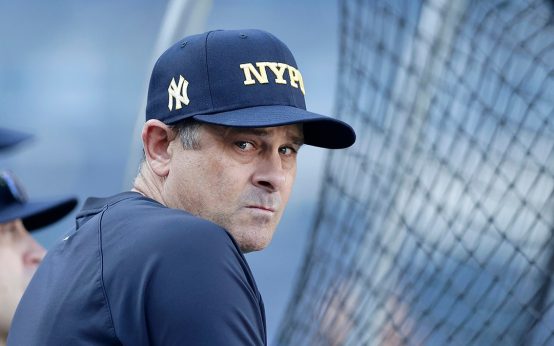 Aaron Boone Set to Return as Yankees Manager
 Clippers Face Challenges After NBA Decision
 Rising Costs Lead to Hard Choices for Loyal Sports Fans
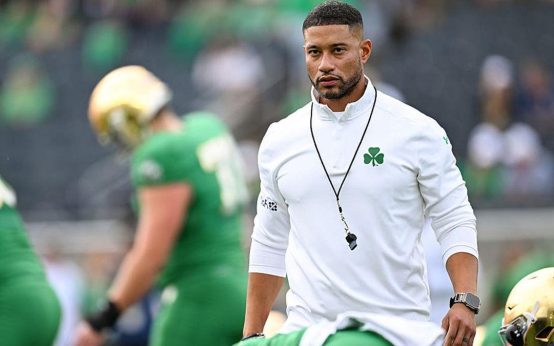 Notre Dame Football’s Underwhelming Performance Under Marcus Freeman
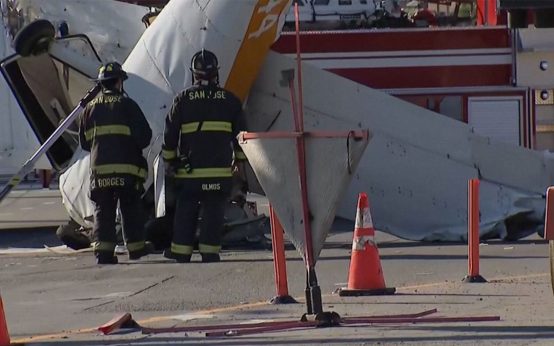 Cessna 177 Crash on Capitol Expressway, San Jose
 Media Silence on Controversial Sports Topics