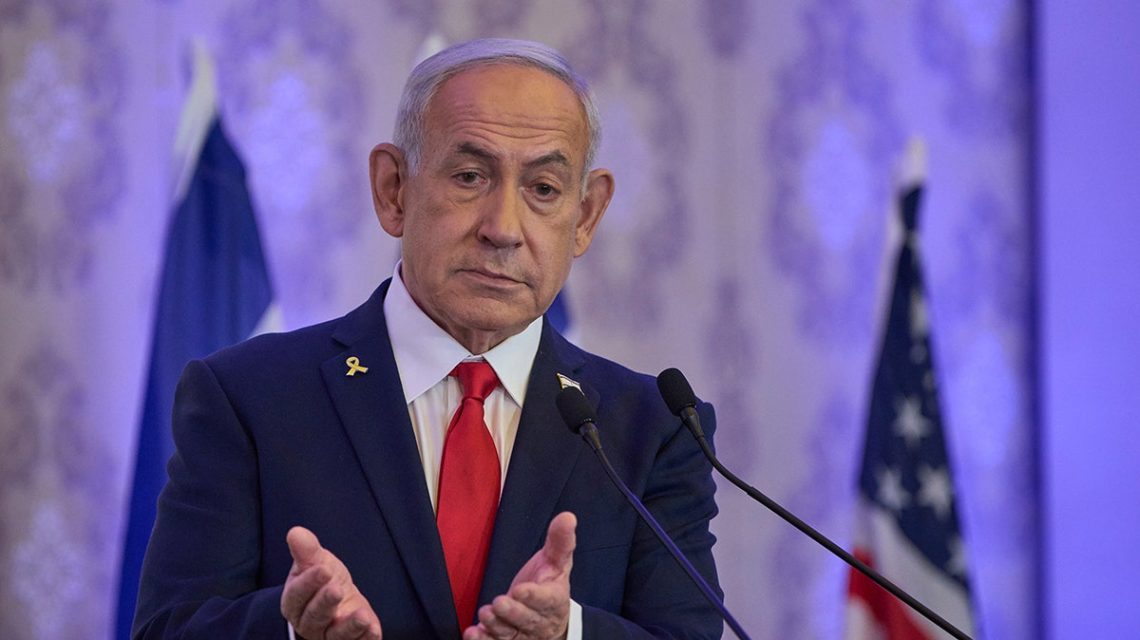
Fox News reports that U.S. President Donald Trump announced a halt to aid to Israel by the year’s end. As midterm voting begins, pressure mounts on Israel’s political landscape.
Tel Aviv braces for political shifts as Prime Minister Benjamin Netanyahu’s hold on power faces a crucial test. President Isaac Herzog is set to consult with party leaders from the newly elected Knesset to decide who will attempt to form the next government.
The latest vote count from Israel’s Central Elections Committee reveals Netanyahu’s bloc with 53 seats in the 120-member Knesset, whereas Gadi Eisenkot’s opposition alliance holds 48 seats. A majority of 61 seats is necessary to form a government.
Netanyahu openly criticized Ra’am and the Joint List, two predominantly Arab parties, for supporting terrorism. Despite their political agendas, these parties hold 19 seats, making them influential in the government formation process.
A source from the Joint List indicated a likely endorsement for Eisenkot to form the government. Should both Arab parties support him, Eisenkot would gain recommendations from parties exceeding the 61-seat threshold necessary for governance. Israeli law allows the lawmaker chosen to form a government 28 days to finalize, with a possible 14-day extension.
Consultations commence, initially with parties like Religious Zionism-Zehut and Shas, each holding six seats, and others in accordance with seat counts. Herzog will meet with leaders from prominent parties, including Yisrael Beiteinu and Likud.
Defense and government commentator Amir Oren stated Herzog, though formally free to choose, would likely select a candidate supported by a Knesset majority. Despite backing for Eisenkot, success in forming a government may prove elusive due to varying interests within the opposition bloc.
The possibility remains that the opposition could form a minority government, with support from Arab parties outside the coalition. Historically, during Netanyahu’s term, similar minority arrangements existed, like an ultra-Orthodox party’s exit continuing their external support.
Religious Zionism-Zehut, Otzma Yehudit, and Shas confirmed recommending Netanyahu to Herzog for government formation. Dan Diker noted Bennett and Liberman’s endorsement of Eisenkot suggests moving away from a national unity government.
Diker emphasized the urgency for Netanyahu and others, given regional tensions with Iran. The Knesset’s new members will start forming committees on Nov. 10, posing challenges to Netanyahu’s leadership continuity.
Oren highlighted potential political constraints on military operations during a caretaker government’s term. Dov Lipman indicated that while Eisenkot stands likely to be tasked with government formation, challenges remain due to positions within his coalition.
Should Eisenkot fail, Netanyahu may also struggle to secure majority support, leading to a period where any Knesset member could attempt government formation with adequate backing. Lipman speculated Eisenkot might consider working under Netanyahu to avoid further elections.
Gideon Rahat suggested Netanyahu might need concessions to assure trust, referencing past power-sharing agreements like the 2020 deal with Benny Gantz which failed. Historical examples, such as the 1984-1988 unity government, illustrate potential frameworks for resolving crises.
Challenges persist, such as judicial reforms and investigation demands. However, unity governments have effectively addressed major security and economic issues when faced with substantial national concerns.
 G7 Foreign Ministers Discuss Global Crises Amid U.S. Political Changes
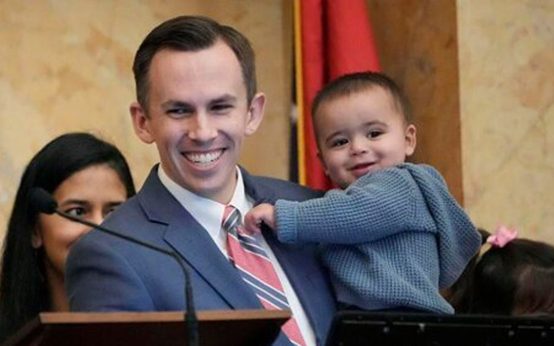 Mississippi State Auditor Shad White Announces Gubernatorial Bid
 Trump Dismisses Third Impeachment Prospects
 Custody Dispute Involving Rep. Max Miller Delayed
 Attorney General Addresses Post-Midterm Democratic Threats
 Senator Elizabeth Warren and the Future of Crypto Regulation