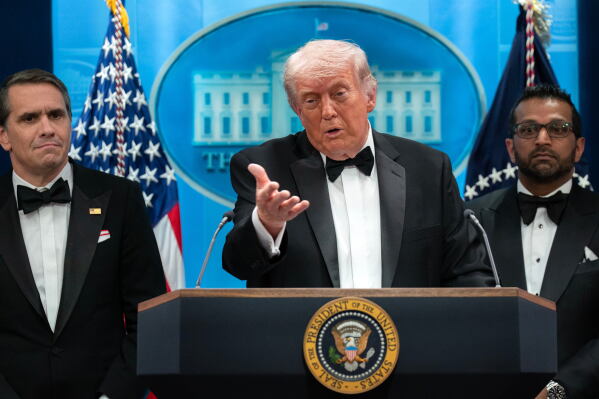
The recent increase in U.S. tariffs, announced by President Donald Trump, has been met with objections from several countries. These tariffs, ranging from 10% to 12.5%, target 60 economies that allegedly failed to enforce bans on goods made with forced labor.
Global Reactions
Australia, a major exporter, strongly criticizes these tariffs. Trade Minister Don Farrell argues that Australia has been wrongly associated with modern slavery issues. He labels the tariffs as “completely unjustified” and vows to lobby the U.S. for their removal.
New Zealand expresses similar disappointment. Prime Minister Christopher Luxon voices concern over the impact on trade, stressing the lack of evidence in the U.S. investigation that justified these tariffs.
European Union foreign policy chief Kaja Kallas also questions the rationale behind the U.S. tariffs, highlighting the strong labor laws within the EU compared to those in the U.S.
Japan expresses dissatisfaction with the tariff hikes, reminding of an earlier agreement that promised no more tariff increases.
South Korea aims to maintain communication with the U.S. while monitoring the ongoing investigations. They emphasize the importance of balanced trade benefits.
Thailand observes the tariffs but notes that they exclude over half of its exports by value to the U.S.
China’s Position
China opposes the new tariffs. Their Ministry of Foreign Affairs restates opposition to all unilateral tariffs, reigniting tensions between the two countries.
Despite these tariffs, China’s trade with the U.S. remains resilient as many exporters shift focus towards Europe to mitigate impacts.
Potential Implications
Wendy Cutler, a former U.S. trade official, considers the tariffs predictable but cautious about their legal standing. She indicates possible additional tariffs in the future on grounds of excess capacity.
William Bratton from BNP Paribas notes that the current tariffs are less disruptive and come with numerous exclusions. Though lower than previous tariffs, they will impact consumer prices.
Overall, while immediate effects on trade are noticeable, long-term outcomes remain uncertain.