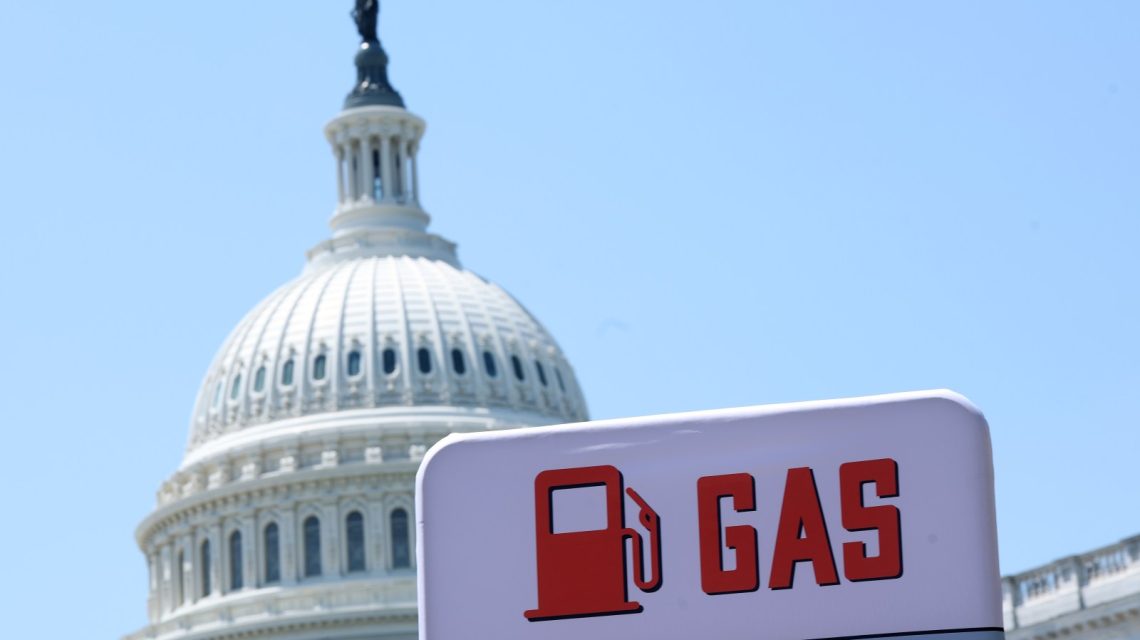
The ongoing conflict involving Iran has significantly affected global fuel prices. Economists and think tanks warn that its impact may act as a persistent financial burden on American households. Not only is gasoline expensive, but the conflict may also drive broader inflation and delay potential reductions in interest rates.
Current Situation and Economic Concerns
The latest data from the Department of Labor highlights an unsettling shift: inflation now exceeds wage growth, negating recent pay increases. Economist Justin Wolfers from the University of Michigan warns that this ‘Iran tax’ could impact Americans for an extended period.
Cost Analysis for Consumers
The escalating war primarily affects energy prices. Since Tehran restricted shipping through the Hormuz Strait, a crucial passageway for global oil supply, oil prices have surged. The AAA reports that the national average for a gallon of regular unleaded gasoline has risen from under $3 to $4.49, though recent negotiations have sparked slight reductions.
Research from Brown University’s Watson School of International and Public Affairs estimates that since February 28, consumers have incurred nearly $48 billion in extra fuel costs. This translates to an average household burden of $364.40 primarily from higher gasoline and diesel prices.
Roger A. Pielke Jr., a senior fellow at the American Enterprise Institute, suggests that combined impacts on gasoline and other products result in an average $410 additional monthly cost per household. These experiences elevate inflation expectations, with year-ahead forecasts rising to 4.8 percent as per the University of Michigan.
Predictions for Long-Term Economic Effects
The administration asserts that if military objectives are achieved and the conflict ends, prices should revert to pre-conflict levels. President Donald Trump assured that prices would decline rapidly post-conflict. In early May, Kevin Hassett, National Economic Council director, echoed that regular shipments through the Hormuz Strait would reduce fuel costs well before the November midterm elections.
Lingering Economic Impacts
However, many believe the economic repercussions could persist even with a swift resolution. Moody’s Analytics chief economist, Mark Zandi, expressed concerns over a potential risk premium in oil prices. The Hormuz Strait closure has already caused shortages in plastics, petrochemical feedstocks, and fertilizers, suggesting future food price hikes as farmers face shrinking margins.
Mark Blyth from Brown University indicated that supply normalcy could take up to a year post-conflict resolution. Although Wolfers acknowledged potential declines in fuel costs if the war ends, he cautioned against expecting an immediate drop as projected by the administration. The anticipated decrease may take longer to materialize.
 Efforts to Restrict Voter Registration Funding Trigger Concerns for Nonprofits
  News Outlets Fight White House Ban in Federal Court
  Michigan Senate Candidate Questions Football’s Ethics and Safety
  The Department of Homeland Security Urges Migrant Caravan to Avoid U.S. Border
  Kentucky Trooper’s Murder Sparks Manhunt and Mourning
  Cornell University Reopens Alleged Gang Rape Investigation