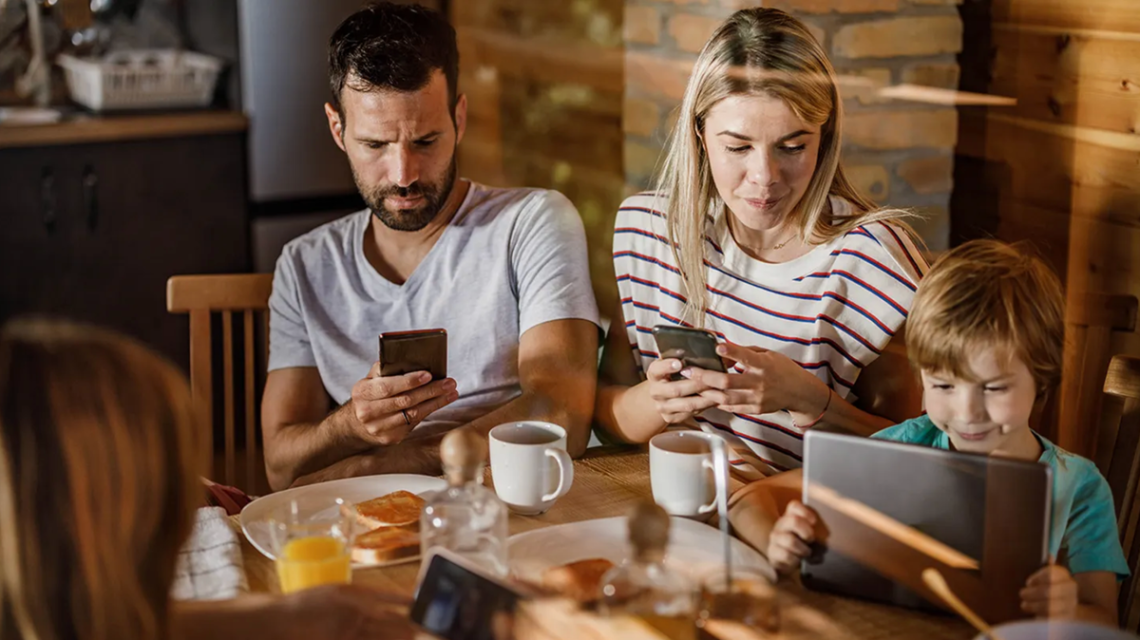
Couples are increasingly choosing separate meal paths due to various reasons like differing diet plans, food intolerances, and conflicting work schedules. Social media has popularized the term “food divorce” to describe this trend of partners intentionally cooking, ordering, and eating their meals independently.
Opting for separate meal times might address logistical issues, yet experts caution about potential negative impacts on relationships. Health institutions like the Mayo Clinic highlight the benefits of shared family meals, which can help individuals reconnect, strengthen emotional bonds, and alleviate stress.
For couples, frequent separate eating can signal broader emotional distance or reduce meaningful time together. Nutrition experts often place less emphasis on the food itself and more on the lost chance for routine daily interaction.
“I think it reflects many people’s very busy schedules,” shared Tanya Freirich, a registered dietitian nutritionist based in North Carolina, with Fox News Digital.
Tanya Freirich also stated, “Mealtime can be a crucial period for union, communication, and fostering connections. Eating alone or at different times might lead to a sense of disconnection.”
Health professionals suggest that eating apart may create a “roommate dynamic,” reducing opportunities for couples to communicate and inhibit the chance for feeling connected.
Eating in isolation can be problematic. Freirich noted that communities globally have traditionally gathered around meals for millennia, and if many Americans habitually eat alone, it might adversely affect mental health and overall well-being. Isolation can come from eating alone, she warned.
“Communities all around the world for thousands of years have come together around mealtimes,” stated Freirich.
Preparing separate meals or ordering from different places may inflate grocery costs, preparation time, and kitchen clean-up. Solo dining can alter individual dietary habits, with studies indicating that solitary diners might consume meals quickly, engage in mindless phone scrolling, or opt for heavily processed convenience foods.
Couples might meet different dietary needs without needing entirely separate meals. For those managing specific calorie goals, plant-based diets, or medical restrictions, Freirich recommends “modular” or “choose your own adventure” meals. She suggests meals like deconstructed taco nights, grain bowls, pasta or noodle nights, or sheet pan meals, where each food component is prepared separately. Participants can then portion out their desired quantities to form a meal that suits everyone’s preferences.
Research suggests that nearly one in four Americans eats alone daily, heightening the risk of isolation. When daily dinners aren’t feasible due to conflicting schedules or caregiving duties, experts advise prioritizing quality over quantity in shared meal times. Even coordinating a quick weekend breakfast or dedicating one night a week can sustain connections.
“Be very intentional to connect when you can,” Freirich advised, adding, “Make that a really special meal. Be intentional with your connection. Put the phone away and relish each other’s company.”
Khloe Quill is a lifestyle writer for Fox News Digital. She and her team cover various topics including food, travel, and health.
 Florida Man Claims ‘Lion Diet’ Transformed Health and Life
  Navigating Parenting Challenges with Teenagers
  Historic Church Transformed Into Los Angeles Boutique Hotel
  Lymphatic Drainage and Ice Sculpting: Emerging Wellness Trends
  Chef Brian Landry and the Rhythms of Bayou Bar
  Tamale’s Decreasing Presence in Mexican Restaurants