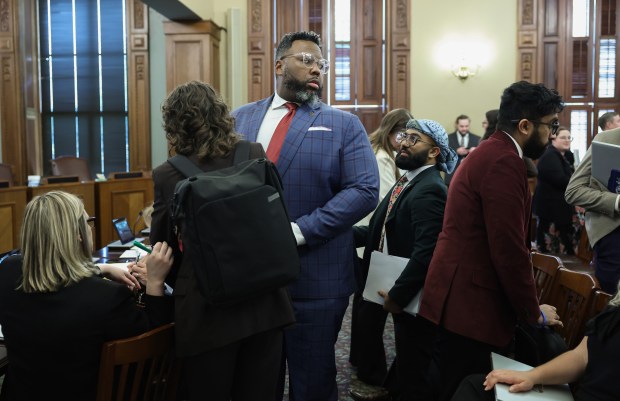
Springfield faced a pivotal moment as Illinois lawmakers attempted to salvage a faltering tax relief plan designed to keep the Chicago Bears within state bounds. The urgency followed Indiana’s bid to lure the team, offering a taxpayer-funded stadium and district in Hammond.
Throughout their history, the Bears have played across various fields, marking this past Sunday as potentially transformative. With legislative dysfunction evident, the House and Senate often met separately, complicating the push for solutions. Rep. Kam Buckner spearheaded a measure to provide property tax stability for the Bears at the Arlington Heights site.
Despite passage in the House, Senate opposition stifled the proposal. Sen. Bill Cunningham cited resistance to tax breaks for wealthy franchises and preference for a city stadium option. The situation strained negotiations, reflecting concerns about constituent interests and taxpayer protection.
Cunningham unveiled an alternate proposal, encouraging municipalities to establish stadium finance authorities. This would allow public ownership of the stadium, while the Bears finance construction. The arrangement mirrors Soldier Field’s public ownership model.
However, specifics remained elusive by evening, with no formal legislation presented. Unresolved issues, like infrastructure funding demands, raised questions about support from the Bears and lawmakers alike. The proposal’s uncertainty left many awaiting details, as talks progressed into the night without clarity.
The Chicago Tribune initially reported on these developments, highlighting the complex dynamics at play in retaining the Bears amid relocation threats.
 A Look Back at a Memorable Weekend of College Football in Oxford
  President Trump Warns of Escalating War with Iran at UN Assembly
  Tariffs and Their Impact on Everyday Products
 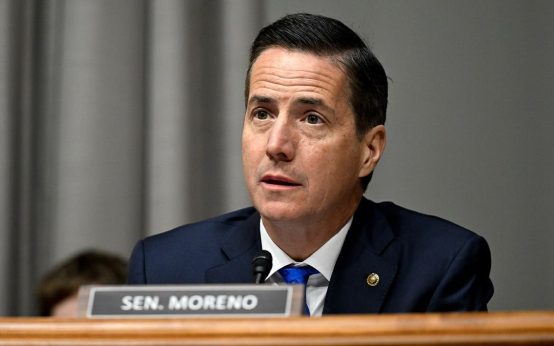 Senator Criticizes Drug Policy After Ohio Tragedy
 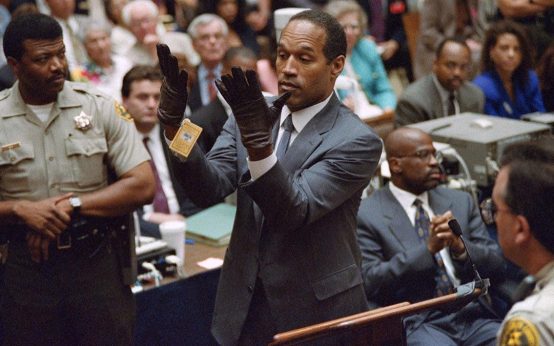 Debate Over O.J. Simpson’s Exclusion from Buffalo Bills’ Wall of Fame
 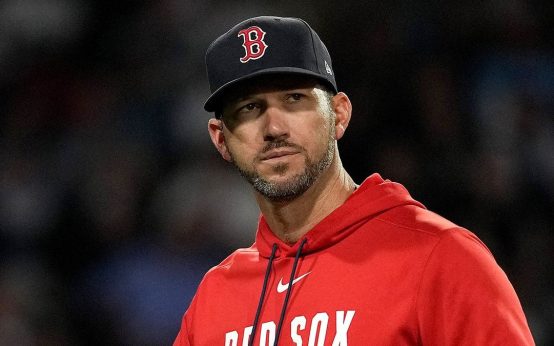 Chad Tracy Appointed Permanent Red Sox Manager