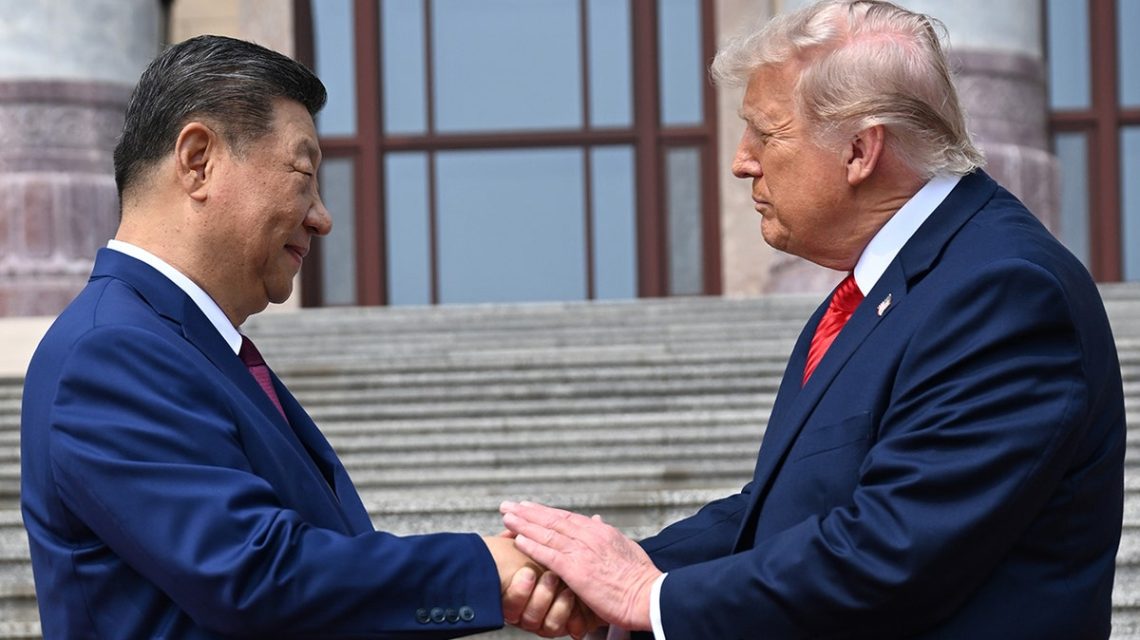
As Americans worry about a future filled with AI-driven warfare, experts warn that China is already challenging the U.S.’s global leadership using artificial intelligence (AI) without resorting to conflict. Ahead of President Xi Jinping’s U.S. visit, experts revealed Beijing’s strategy to undermine American supremacy through AI.
The Three-Part Strategy
Experts describe a three-part approach that China employs. This involves duplicating the logic of American AI models, using free open-source software to undercut U.S. developers, and eventually weaponizing these systems for purposes like cognitive warfare. China effectively bypasses extensive U.S. research by leveraging labs that examine advanced American AI to replicate its functions, while releasing free alternatives globally.
A ‘race’ is the wrong metaphor. It resembles a multi-front war, with wins and losses on both sides.— Leah Siskind, AI Research Fellow.
The Economic Undercutting
While American tech companies invest heavily in costly proprietary systems, China focuses on spreading free, open-source models. Leah Siskind highlights that due to high costs, some large companies now opt for Chinese technology, risking exposure to potential censorship and security loopholes.
Gordon Chang, a China expert, noted that China’s strategy mirrors tactics used to dominate the solar panel market, aiming to overtake American AI on cost and availability.
The U.S. boasts superior infrastructure, including over 5,400 data centers, much more than China’s. However, Chinese labs employ a method known as ‘knowledge distillation’ to mimic smarter American AI models, rapidly closing the gap. An example includes China’s DeepSeek model, which competed with top-tier American capabilities by investing significantly fewer resources.
Cognitive and Physical AI Warfare
Beyond economic tactics, China deploys AI into supply chains and public influence campaigns. Leah Siskind warns of AI in infrastructure like factory automation and drones.
Gordon Chang cautions against AI-enhanced propaganda affecting U.S. decision-making. He stresses the importance of safeguarding American elections and security choices from Chinese intervention.
These experts urge the U.S. government to prioritize AI threats, akin to traditional military concerns, highlighting the need to secure AI advancements under democratic values.
Global Implications
Chang argues the stakes go beyond economic rivalry. China’s ambitions include the imperial notion of ‘Tianxia,’ suggesting global rule under Chinese leadership. Yet, with AI, this ambition could become more achievable, posing significant challenges globally.
Addressing the United Nations, President Donald Trump reaffirmed the U.S.’s commitment to outpace China in AI, dismissing efforts to centralize AI under global control. Trump emphasized, “Whoever wins superintelligence wins.”
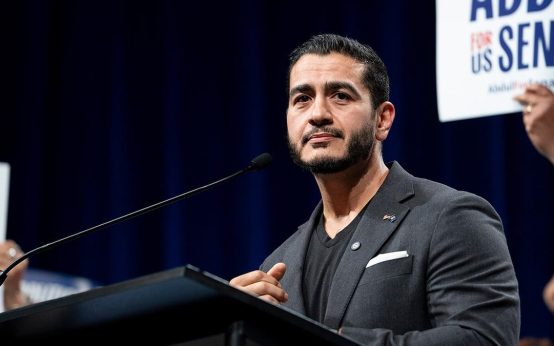 Michigan Senate Candidate Abdul El-Sayed Faces Criticism Over Comments
  America First Legal Investigates Fairfax County School’s 9/11 Teaching Guidance
 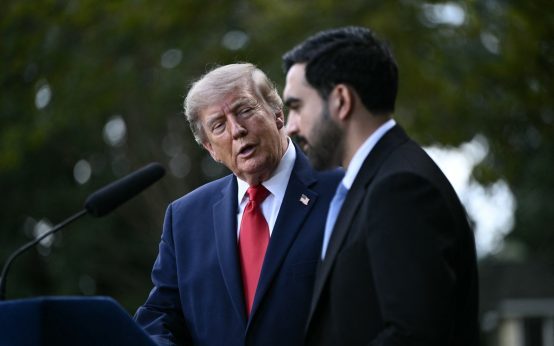 Poll Shows Preference for Socialist Democrats Over MAGA Republicans
 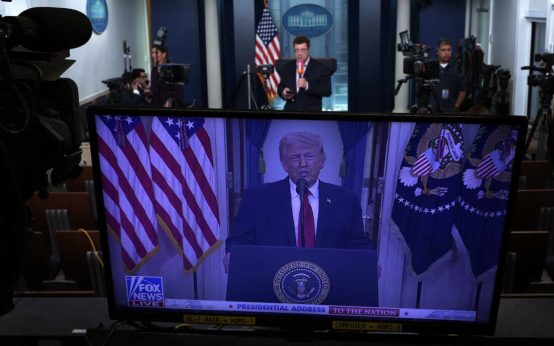 Trump Launches ‘Trump TV’ Amidst Controversy Over Media Ban
  MAHA Activists Challenge Trump and RFK Jr. on mRNA Vaccines
  Rep. Byron Donalds Distances Himself from President Trump in Governor Race