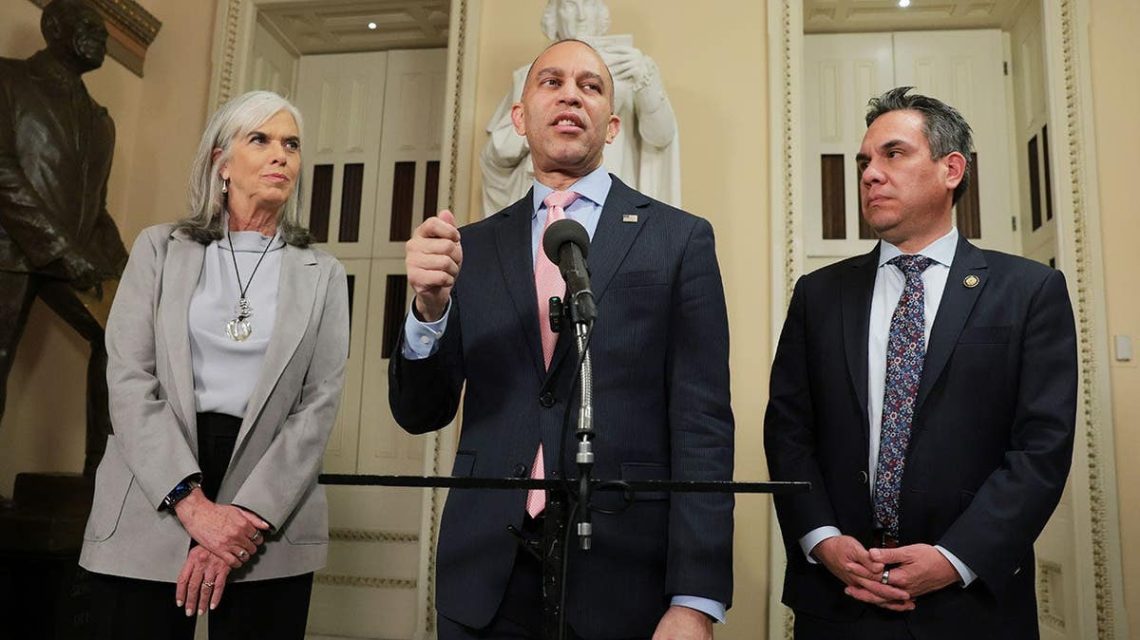
Democrats are experiencing significant internal conflict over legislation to cut aid to Israel, reflecting a shift in attitudes towards the Jewish state. This occurs as support for the Palestinian cause grows within the party.
House Vote and Democratic Leadership Split
House lawmakers voted 104-313 to reject an amendment aiming to reduce $3.3 billion in foreign aid to Israel for the next fiscal year. This vote even divided House Democratic leadership, who opted not to push members towards a particular stance. Minority Leader Hakeem Jeffries, D-N.Y., and 97 other Democrats opposed the cut, while Rep. Katherine Clark, D-Mass., and 102 other Democrats supported it. Ten Democrats chose to vote ‘present’ instead.
The amendment, proposed by Rep. Thomas Massie, R-Ky., sought to halt what he described as U.S.’s largest welfare to a foreign nation. Massie was the sole Republican in favor of the measure.
Arguments Against the Amendment
Opponents contended that cutting aid to Israel could harm U.S.-Israel relations, especially during the conflict with Iran. They emphasized that Israel plays a crucial role in countering terrorist organizations like Hamas and Hezbollah. Rep. Mario Diaz-Balart, R-Fla., argued that supporting Israel’s defense also enhances U.S. security.
Furthermore, significant amounts of aid allow Israel to purchase American-made military equipment, benefiting the U.S. economy.
Support and Criticism Among Democrats
Some key Democrats criticized Massie’s amendment, asserting it could embolden adversaries of peace and those opposed to Israel. Former Majority Leader Steny Hoyer, D-Md., highlighted this risk during the debate.
Despite the amendment’s overwhelming failure, supporters claimed progress. Congressional Progressive Caucus Chair Greg Casar, D-Texas, emphasized that more Democrats voted against funding Netanyahu’s government than ever before. Casar called for reallocating taxpayer funds towards domestic needs rather than foreign military expenses.
Debate Over U.S. Policy on Israel
Jeffries, opposing Massie’s amendment, criticized its lack of clarity and scope. He noted it could inadvertently affect humanitarian aid, refugee resettlement, and U.S. Embassy operations.
However, Clark and many Democrats argued that actions in Gaza necessitate rethinking U.S. financial support to Israel. Rep. Joaquin Castro, D-Texas, emphasized the need to leverage aid to influence Israeli behavior.
The amendment did not address preventing non-military aid reductions, raising further concerns.
Growing Opposition Within the Democratic Party
The push to reduce aid to Israel highlights changing Democratic sentiments. An NBC News poll found that 67% of Democratic voters sympathize more with Gaza than Israel, with only 17% expressing the opposite view.
Democratic primary outcomes in New York, where socialist candidates prevailed while campaigning against Israel, further signal shifting views. Rep. Ro Khanna, D-Calif., supporting aid termination, faced pressure regarding his stance on Hamas’ actions.
As Democratic attitudes evolve, the amendment foreshadows potential Democratic shifts in approaching U.S.-Israel relations.
 Media Outlets Sue After White House Ban
  American Public Opinion on Press Freedom
  Media Lawsuit Against Trump Administration for White House Ban
  The Cost of Challenging Beijing
 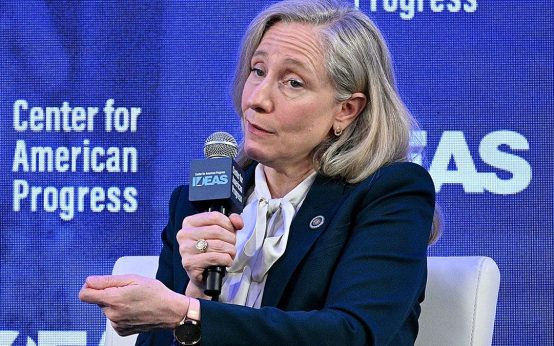 Analyzing Midterm Elections and Party Dynamics
 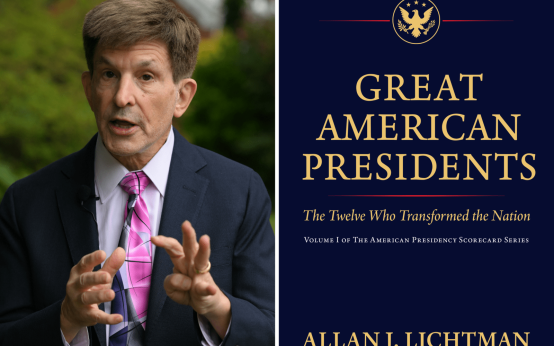 Allan Lichtman’s Framework for Assessing Presidential Greatness