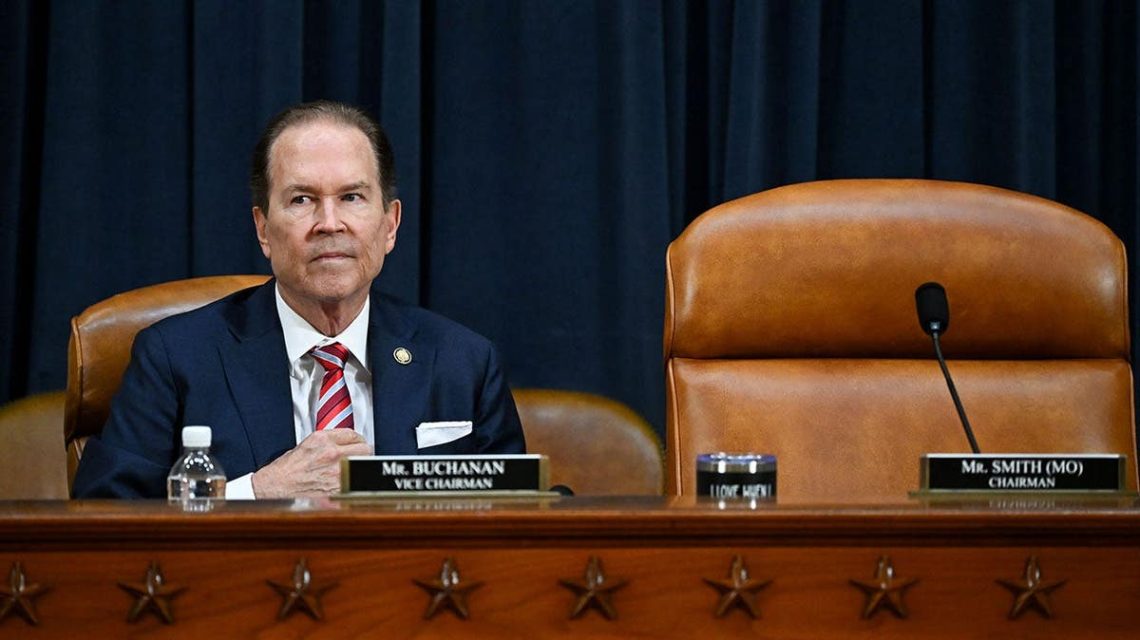
The U.S. House of Representatives is considering a proposal to make Daylight Saving Time permanent. The Sunshine Protection Act has advanced to a floor vote after passing the House Rules Committee with a 6-4 vote. This bill would allow states to adopt Daylight Saving Time throughout the year but includes an option for states to opt out.
The measure enjoys bipartisan support and has been backed by former President Donald Trump. He has encouraged Congress to end the clock-changing practice, which is currently observed by every state except Hawaii and most of Arizona. Supporters argue that changing clocks twice a year negatively impacts health. They believe that having Daylight Saving Time all the time could boost outdoor activities, tourism, and economic performance.
Rep. Vern Buchanan, a Republican from Florida and the author of the bill, believes that changing the clocks causes unnecessary disruption. He stated, “Floridians and Americans across the country are tired of the biannual time change.” Buchanan and others see the change as benefiting public health, reducing traffic accidents, decreasing crime, and encouraging outdoor activities.
The Energy and Commerce Committee passed the proposal with a 48-1 vote in May, emphasizing a significant momentum behind the bill. Trump expressed his support by stating, “It’s time that people can stop worrying about the ‘Clock,’ and enjoy a longer, brighter day.” Proponents argue that ending the clock changes would improve everyday life for millions.
Approximately 20 states, including Alabama, South Carolina, Oregon, Maine, and Florida, have passed legislation supporting permanent Daylight Saving Time. However, opponents, including several medical organizations, advocate for permanent standard time, citing health risks associated with permanent daylight time. They argue that standard time aligns better with natural circadian rhythms.
Rep. Mary Gay Scanlon from Pennsylvania proposed an amendment to make standard time permanent, but it was rejected. Scanlon and others warn of the health and safety risks of darker morning hours, especially for children. Historical reference to the brief use of year-round daylight time in 1974 is often cited, as it faced significant public backlash.
Some lawmakers, primarily conservatives, believe other legislative priorities should take precedence. Rep. Keith Self from Texas criticized focusing on the time change when other issues remain unresolved. He mentioned the stalled SAVE America Act as a priority for GOP leaders.
The Senate previously passed a version of the Sunshine Protection Act in 2022, but it stalled due to opposition in the House. Concerns over darker mornings in winter remain a significant point of contention.
 Teen Arrested in Penn State Student’s Murder; Second Suspect at Large
  Carnival Panorama Passenger Jumped Overboard During Final Leg of Cruise
  Nikole Hannah-Jones Reflects on Educational Choices for Her Daughter
  Mayor Mamdani’s Meeting with President Trump to Address NYC Issues
  Life and Challenges at Chennai’s Kasimedu Fishing Harbour
  Trump’s Proposed Triumphal Arch in Washington, D.C.