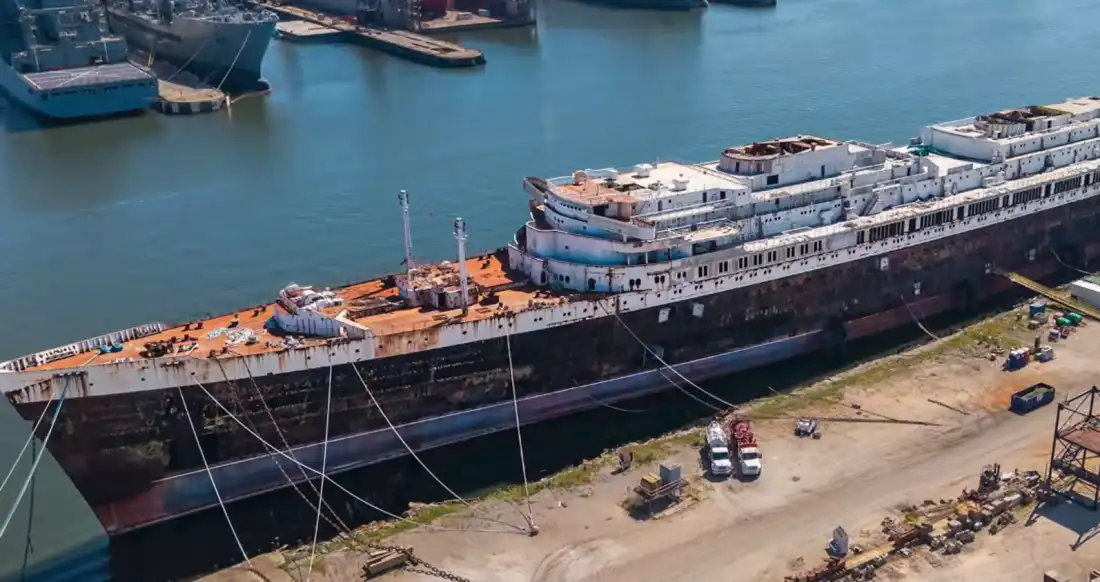
The SS United States, once the world’s fastest passenger liner, crossed the Atlantic in under four days. On a recent Wednesday, it sank in just five hours off the coast of Okaloosa County, Florida, transforming into a massive artificial reef. Built in 1951 and longer than the RMS Titanic, this iconic ship transported four U.S. presidents, the Mona Lisa, and numerous celebrities during its prime.
This move aims to create the world’s largest artificial reef, drawing thrill-seeking tourists and providing economic benefits to local coastal communities. Crew members carefully removed plugs in the ship’s hull to let it fill with water, allowing it to sink without explosives. Despite delays, the process proceeded rapidly as the vessel tilted and submerged.
For many, the sinking holds sentimental value, marking the end of an era when such ships gracefully crossed oceans. This development also highlights ongoing efforts by locales to attract tourists away from global destinations. According to wreck diver Karen Flynn, watching the ship rust away at port was more tragic than seeing it become a reef.
Flynn’s Maryland-based diving club quickly arranged a dive to the site once the sinking date was confirmed. This type of tourism is precisely what Okaloosa County hopes to attract. Divers who spend on lodging, equipment, and food could boost the local economy significantly.
Okaloosa County, which invested $10 million in the project, has a history of artificial reef creation using ships. The SS United States, nearly 1,000 feet long, is the largest addition. Tourism director Jennifer Adams anticipates recouping the investment in a few years. Reefs currently generate $10 million to $12 million annually for the county, and this new addition is expected to increase those figures.
The ship’s transformation included removing toxic materials and ensuring it sits just over 20 nautical miles from Destin’s beaches at a depth that accommodates recreational diving. Alongside the USS Oriskany aircraft carrier, the region now boasts the first and second-largest artificial reefs globally. The National Oceanic and Atmospheric Administration finds that visits to artificial reefs can generate significant economic benefits, with instances reaching near a billion dollars annually.
Economist Andrew Ropicki notes that the area’s concentration of shipwreck attractions offers a competitive edge but cautions against overinvestment, which may lead to diminishing returns if tourist interest wanes. Nonetheless, plans for additional artificial reef projects are underway.
Susan Gibbs, head of the SS United States Conservancy, expressed mixed emotions about the sinking. As the granddaughter of the ship’s architect, William Francis Gibbs, she feels both sorrow and pride. Despite the vessel’s sale to Okaloosa County at a fraction of its original cost, reefing seemed a more dignified outcome than scrapping it.
Wreck diver Karen Flynn agrees, noting the ship’s enduring grandeur even below the waves. The sight of the SS United States submerged in the Gulf of Mexico offers a unique legacy, captivating divers with its majestic silhouette against the vast ocean expanse.
 Pope Leo XIV’s Emotional Return to Peru
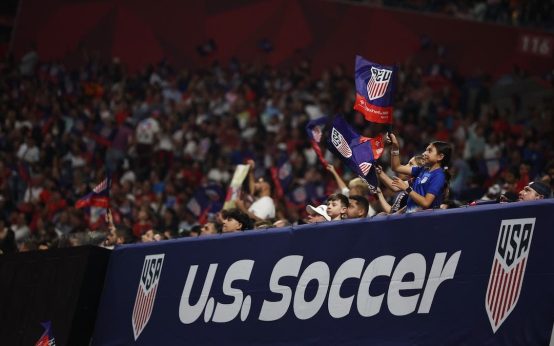 U.S. Soccer Withdraws from U-17 FIFA World Cup Due to Security Concerns
 Alice Huang: Allegations and an Intricate Past
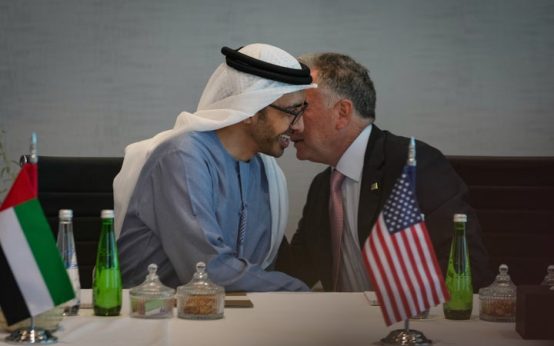 Russia and Ukraine Agree on Major POW Exchange
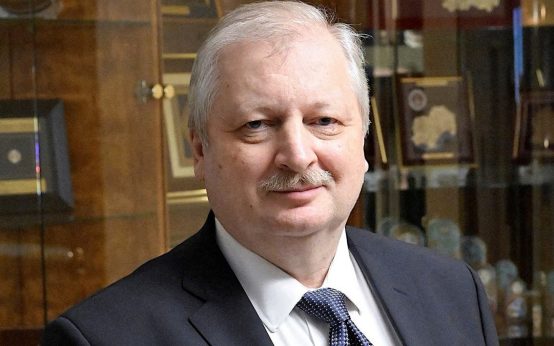 U.S.-Mediated Peace Talks and Tribute to Russian Diplomat
 Senior U.S. Army Soldier Arrested for Spying for Moscow