This weekend, New Delhi will host the 18th BRICS summit, drawing attention as leaders from Iran, Russia, and China convene in India. The timing is crucial, with conflicts spreading across the Middle East and Europe challenging the alliance established over 20 years ago.
The summit, set for September 12-13, follows six months after tensions rose between the U.S. and Iran, and comes amid escalating regional conflicts. Notably, it succeeds the recent Shanghai Cooperation Organization meeting where many of the same leaders participated.
BRICS began in 2006 with Brazil, Russia, India, and China as founding nations. Over time, the group has grown to include countries like Iran, Egypt, Ethiopia, Saudi Arabia, and the United Arab Emirates.
India-Iran Relations
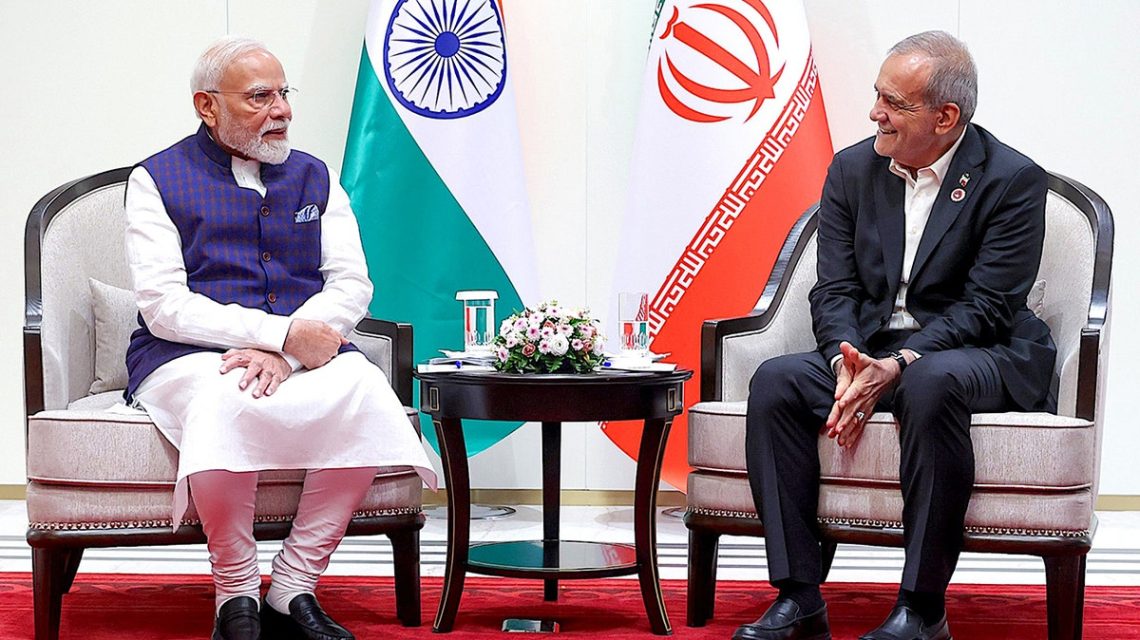
At the forefront of this summit are discussions between Iranian President Masoud Pezeshkian and Indian Prime Minister Narendra Modi. They are expected to focus on trade initiatives, energy collaborations, and regional issues, reinforcing their longstanding partnership.
Amid economic pressures from the U.S., Tehran aims to enhance ties with Moscow and Beijing. Iran seeks entry into the BRICS New Development Bank as a strategy to bolster its economic connections with key partners like China, India, Russia, and the UAE, especially with mounting U.S. sanctions.
China and India: A Cautious Engagement
This summit marks a significant meeting as China’s President Xi Jinping visits India for the first time in seven years. His trip follows a military clash in 2020 over the Himalayan border, and discussions with Modi will likely aim to maintain a normalization process and boost economic interaction.
Russia-India Ties
Russian President Vladimir Putin, engaging with Modi in pre-summit discussions, makes his first trip to India since the conflict in Ukraine began. Their agenda focuses on energy and defense, amid criticism of U.S. tariffs by Putin.
Russia has highlighted increasing energy ties with India, emphasizing record-high energy imports. The Kremlin acknowledges India’s stance on Ukraine, calling for India’s role in seeking peace.
Geopolitical Dynamics
The UAE’s participation receives attention after facilitating Ukraine discussions, demonstrating its growing diplomatic role. Saudi Arabia’s involvement also draws interest after renewed attacks by Houthi militias, impacting Gulf strategy carefully navigated by India.
As India navigates the tensions between Tehran and Abu Dhabi, it faces challenges due to UAE’s commercial and financial disengagement with Iran, which affects Indian exports through Dubai.
Hosting the BRICS summit tests India’s diplomatic skills, demanding balance among differing interests from the U.S., Tehran, Moscow, Beijing, and the Gulf while unifying BRICS members.
“The real challenge is ensuring BRICS remains focused on Global South priorities rather than becoming a platform for great-power rivalry,” said Harsh V. Pant from the Observer Research Foundation.
Modi must navigate complex geopolitical differences, including the U.S.-China rivalry and the Russia-Ukraine conflict. Despite these, New Delhi aims to maintain dialogue, cooperation, and innovation themes.
India’s approach sidesteps taking sides while promoting resilience and sustaining cooperation. Despite lacking major Western powers, BRICS is crucial for ceasefire mediation, and the New Delhi summit may explore reviving stalled U.S.-Tehran negotiations.
“Hosting the BRICS summit allows India to highlight its multi-alignment strategy amid growing global polarization,” Pant noted. “By engaging with countries like China, Russia, and the Gulf states alongside deepening ties with the U.S., India opposes binary great-power choices.”
Energy and inflation impacts from the conflict have hit developing countries hard, with India impacted as a major oil importer. The summit’s success will hinge on keeping BRICS both inclusive and functional, addressing Global South needs while averting geopolitical paralysis.
Kyra Colah is a Writer and Associate Producer for Fox News.
 Ukraine Missile and Drone Barrage Hits Russia Amidst Elections
  U.S. Strategic Goals Remain Unmet Amid Prolonged Conflict
  New Photos Reveal Damage from Iranian Strikes in the Middle East
  Assassin of Chilean Diplomat Orlando Letelier Faces Deportation 50 Years After Assassination
  Gorillaz and Macklemore Respond to Controversy Over Israel-Palestine Statements
  Investigation into Lion Deaths in Tanzania