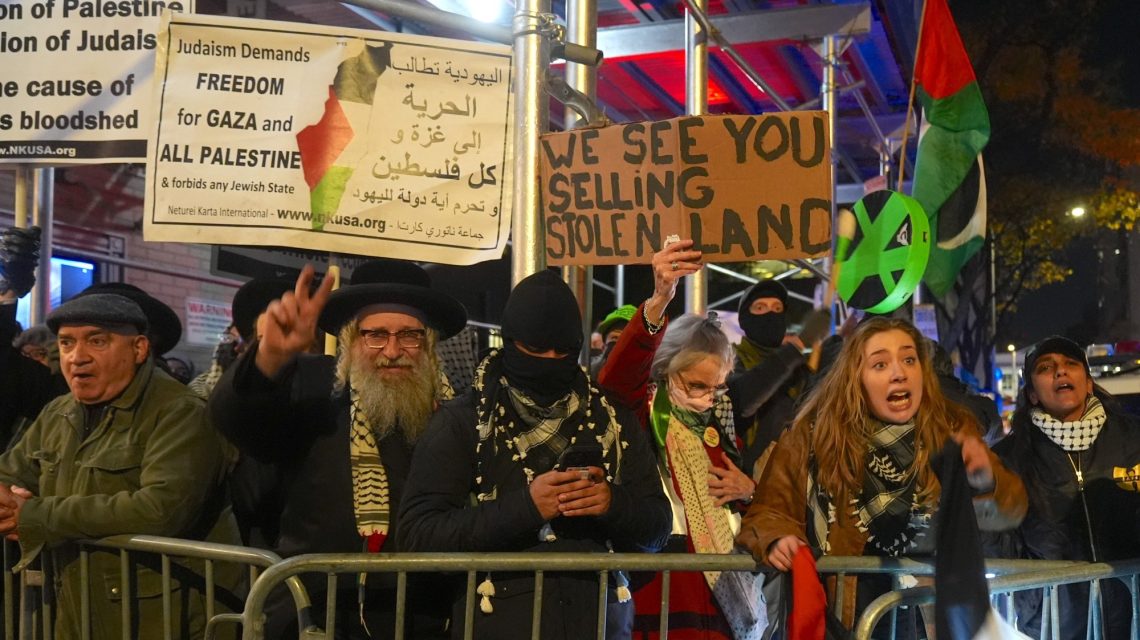
On November 19, 2025, pro-Palestinian protesters gathered outside the Park East Synagogue in Manhattan, New York. The protest was against a settler-recruitment event hosted by Nefesh B’Nefesh, an organization helping American Jews immigrate to Israel. The protest included chants like ‘Intifada revolution’ and ‘Death to the IDF’. In response, a group of Jewish counter-protesters used flashlights and horns to confront the demonstrators.
Such incidents are becoming increasingly common. Recently, Kabbalat Shabbat services at Central Synagogue in New York City were disrupted. An assailant attacked a congregant and security personnel during the service. This follows earlier incidents at the same synagogue where attendees faced antisemitic threats during protests. In May, demonstrators even shouted offensive remarks while waving a Hezbollah flag.
This troubling trend extends beyond New York. In Los Angeles, masked antisemitic protesters gathered outside Wilshire Boulevard Temple, shouting slurs at synagogue attendees. Two protesters were eventually arrested after they caused damage and assaulted individuals trying to enter.
These events are part of a larger pattern. The ADL documented dozens of similar antisemitic incidents. Although overall antisemitic incidents have decreased, physical assaults reached new records. This issue affects various religious communities. In Michigan, an LDS church was set on fire, and in San Diego, three people died protecting worshipers at a mosque.
In response, the ADL supports the Right to Worship Act. Recently introduced in Congress, it aims to create a 100-foot safe zone around religious sites. This zone would prevent disruptions to services, ensuring safe access for worshipers.
The Act safeguards religious freedom and free speech. It allows peaceful protest but prohibits disruptions that prevent congregants from attending services. Existing federal protections are insufficient in addressing non-violent yet intimidating activities.
The Right to Worship Act builds on successful efforts in states like New York, Maryland, and Arizona. New York City also passed related buffer zone legislation. Advocacy continues in California and Pennsylvania, with support from diverse community and faith groups.
Public support for these measures is strong. In New York, 70 percent of registered voters back buffer zone protections. This support spans political and religious lines, reflecting a shared belief: the right to worship free from fear is a fundamental American value.
Congress must decide if it will act to protect worshipers or allow these threats to persist. State-level efforts are crucial, but comprehensive protection requires federal action. The Right to Worship Act fills gaps in current laws, ensuring the freedom to worship without fear.
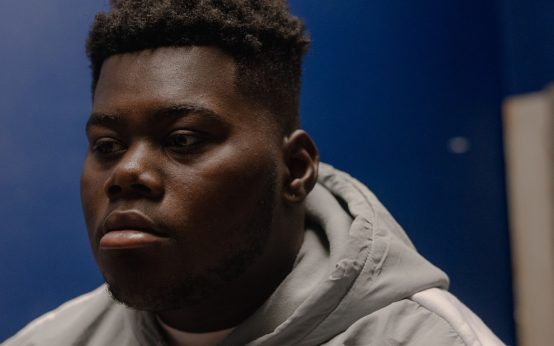 A Mother’s Tragic Journey Under Abortion Ban
  U.S. Strategic Goals Remain Unmet Amid Prolonged Conflict
  The Impact of Arts and Closure on Democracy
 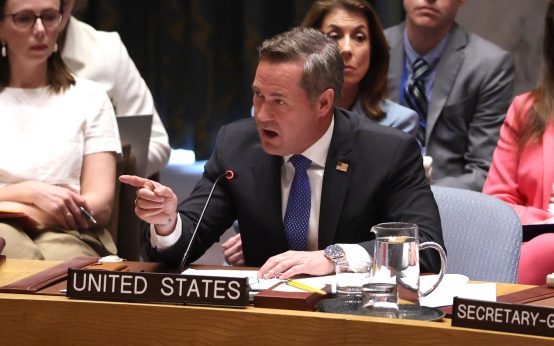 U.S. Ambassador Comments on Iran War Duration Amid Political Concerns
 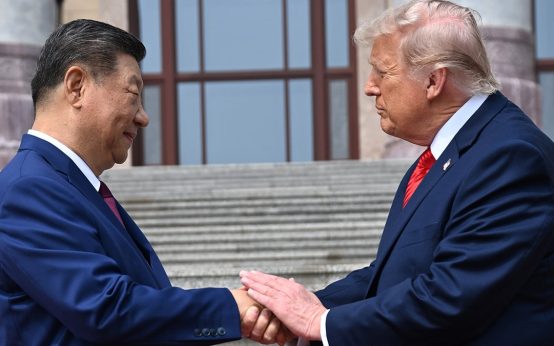 US-China Relations Under Scrutiny: Expert Warns of Escalating Tensions
  No Timeline for End of Iran Conflict