
Gracie Abrams resonates deeply with her fans, particularly young women. They see her as encapsulating the complexities and uncertainties of youth. Her journey, however, is not without its stumbles. Abrams’ third album, Daughter from Hell, has sparked significant media attention. She has appeared on popular platforms like The Tonight Show, The New York Times‘ Popcast, and discussed fame with Olivia Rodrigo on Spotify. A heartwarming endorsement came from producer Aaron Dessner on CBS Sunday Morning.
Abrams’ expressive features seem almost made for the camera. Her eyes and expressions tell as much as her words. Yet, she channels her talents into music, making her mark as a singer-songwriter. Her work hinges on introspective themes, where she explores personal relationships and emotional turmoil. Critics are divided; some appreciate her rawness, while others find her style vague. The debate extends over her privileged background, with her being the daughter of Hollywood figures J.J. Abrams and Katie McGrath. Nevertheless, her reception echoes a long-standing discussion about singer-songwriter authenticity.
Reviews of Daughter from Hell are mixed. Some hail it as profound, while others dismiss it as superficial. Abrams’ fans connect to her emotional writing style. To them, her work represents a stream-of-consciousness flow that contrasts with the polished nature of much contemporary pop. One writer, Sarah G. Blade, praises Abrams for lyrics that feel like intimate conversations with a friend.
Comparisons to Carly Simon’s early career reveal interesting parallels. Both faced scrutiny due to their backgrounds. Simon, known for her connection to a well-heeled society and her family’s influence, navigated similar critiques. She turned these challenges into successful ventures, including chart-topping songs. Abrams, surrounded by talented peers in the LA pop scene, is on a comparable path.
Abrams reflects on her experiences in the music industry, sharing stories of being in the studio during pivotal moments in her career. She recognizes her privilege but seeks to create authentic work that explores themes of fame and personal growth. Her artistic tension is evident in her music, where she critiques and engages with her environment.
Both Abrams and Simon explore the complex dynamics of privilege and artistic creation. Their music offers commentary from a position of both inclusion and critique, a stance that draws varied reactions. Abrams’ willingness to experiment with her vocal style adds depth to her music. She uses her voice to convey complex emotions and challenges conventional pop arrangements.
Though Abrams has yet to create universally acknowledged classic hits, her work continues to evolve. Her collaborative effort with Dessner demonstrates a merging of intimate folk elements with broader musical landscapes. Looking to the future, Abrams’ development as an artist seems promising, hinting at growth and exploration as she matures.
 Melanie Griffith Reflects on Wellness Retreat and Career Legacy
  Jennifer Aniston’s Relationship Insights from Relationship Experts
  Kim Kardashian Shares Esophagitis Diagnosis Amid Personal Concerns
 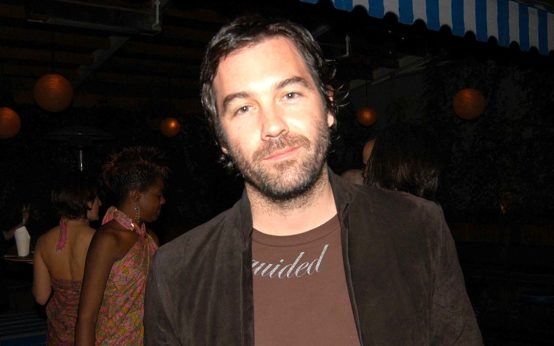 Duncan Sheik, Singer-Songwriter and Broadway Composer, Dies at 56
 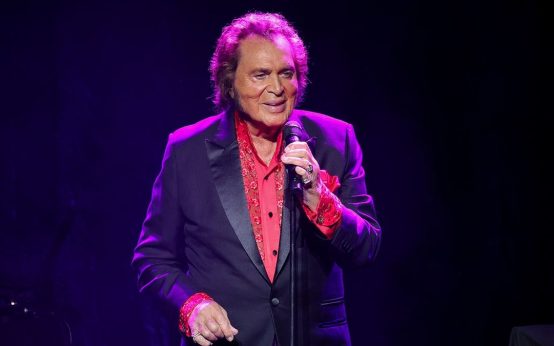 Engelbert Humperdinck Reflects on Life-Saving Shoelace During Army Service
  Chad Gilbert of New Found Glory Dies at 45