
The U.S. government argues the Court of International Trade (CIT) judge overstepped his authority by instructing Customs and Border Protection (CBP) to issue refunds to all companies that paid tariffs deemed illegal, including those that didn’t file a lawsuit. The government has filed an appeal with the Court of Appeals for the Federal Circuit.
In the appeal, government lawyers reference a Supreme Court decision from June 2025 that restricted the use of universal injunctions. These injunctions apply a court ruling broadly, extending benefits beyond the specific litigants involved. CIT Judge Richard Eaton has stated that these limits do not apply, but the government disagrees.
The appeal argues against CIT’s universal injunctions that require CBP to refund IEEPA duties to all importers, including those not involved in the lawsuit. Already, CBP has processed and issued $100 billion in refunds. However, refunds for companies with finalized tariff processes cannot be reprocessed due to a Congressional rule.
Importers have been advised they can still file lawsuits to reclaim money within the statute of limitations. Hundreds of such orders have already been issued by CIT to importers seeking relief. The government insists that restitution should not depend on a company’s ability to afford legal proceedings.
Barry Appleton, a law professor at New York Law School, supports the government’s stance, noting that smaller businesses may face challenges. He stresses that getting a refund shouldn’t be tied to a company’s capacity to sue for money it may not even realize it’s owed.
 Key Developments and Updates in Politics, Health, Sports, Markets, and Security
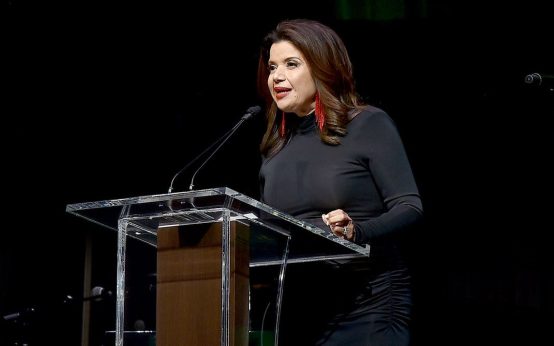 Ana Navarro Critiques Democratic Party’s Presidential Nomination Debate
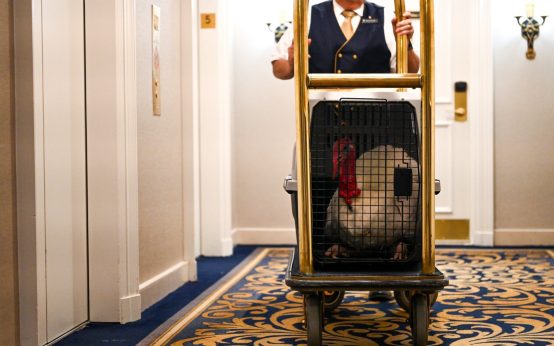 The Tradition of Turkey Pardoning at the White House
 Santa Claus in Trump’s Immigration Crackdown: A New York Street Art Story
 Impeachment Effort Against Pete Hegseth Fails
 Legal Hurdles Delay Trump’s Memorial Arch Construction