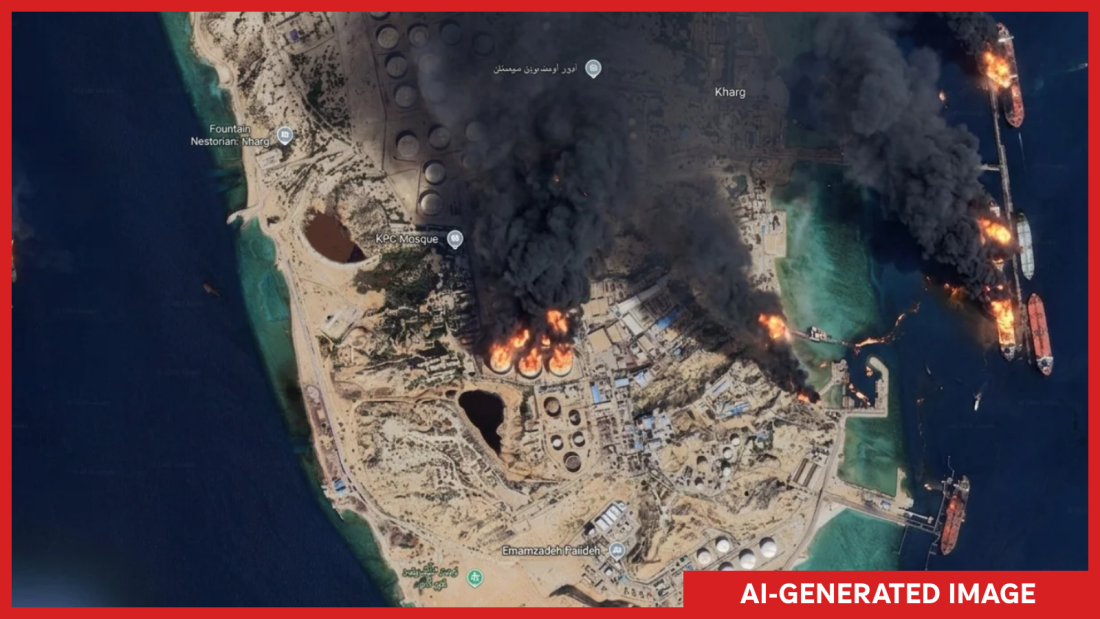
Google Earth briefly introduced a new feature that allowed users to create AI-generated satellite images, sparking controversy over potential misuse. The feature, which was supposed to enhance user experience by allowing them to generate images with the click of a button, was quickly retracted. The decision followed concerns from geospatial professionals and investigators about the tool’s abuse for creating deepfake satellite imagery.
Concerns Over Deepfake Imagery
Experts like Henk van Ess, an open-source researcher, expressed grave concerns. Van Ess tested the feature by generating images of fictitious events, which the tool accepted. For those who rely on Google Earth for verifying events, the potential to fake satellite images at such ease was alarming. NPR even demonstrated this capability by creating images of a non-existent fire on Iran’s Kharg Island and a flooded U.S. Capitol.
Google’s Response and Public Reaction
Google stated that while the feature had useful applications, misuse violated its policies. The company said it’s working on implementing stronger protections. Despite these assurances, open-source investigators like Evan Hill questioned Google’s internal checks. The risk of misinformation spreading more quickly than corrections was a significant concern among the community.
The Importance of Satellite Imagery
Satellite imagery is crucial for verifying information and events globally. Often, it provides an indispensable reference for both on-the-ground footage and real-time data from other sources. Historically, satellite images have been difficult to fake, making them a reliable source of verification.
However, the advent of easy-to-create AI-generated satellite images could challenge this reliability. Fake satellite images during past conflicts have shown the potential dangers, with some media outlets in Iran using them to suggest false damage. The public trust in legitimate satellite imagery may be undermined, as even credible images may be dismissed as fake.
Google’s Measures and Community Doubts
Google highlighted its efforts in marking AI-generated images with its SynthID watermark and preventing creation on harmful topics. The technological community, however, remains skeptical. Van Ess and others stress the challenge posed if the tool’s development continues, potentially integrating the fake imagery into trusted tools for image verification.
 Venezuelan Migrant Arrest in Texas Sparks Outrage
  Senator Calls for Halt in Diesel Exports Amid Rising Fuel Costs
  Investigation into Far-Left Groups Organizing Protests
  How China Uses AI to Challenge U.S. Dominance
  Deadly Dispute Over Beach Chairs in Greece
  Couple’s Fortunate Detour Saves Them from Himalayan Disaster