The potential peace agreement between the United States and Iran might not lead to an immediate resumption of energy flows through the Strait of Hormuz. Even when mines are removed, tanker captains remain cautious about security, and insurance costs could considerably hike travel expenses.
As time progresses, the global economy adapts to decreasing reliance on Gulf exports. The Covid-19 pandemic and trade policies from the previous U.S. administration prompted a significant reshaping of global supply chains. The current disruption in the Strait has accelerated a similar adaptation. Gasoline price surges lead to reduced consumer driving habits. Notably, Walmart customers are now purchasing under 10 gallons per visit to its fuel stations.
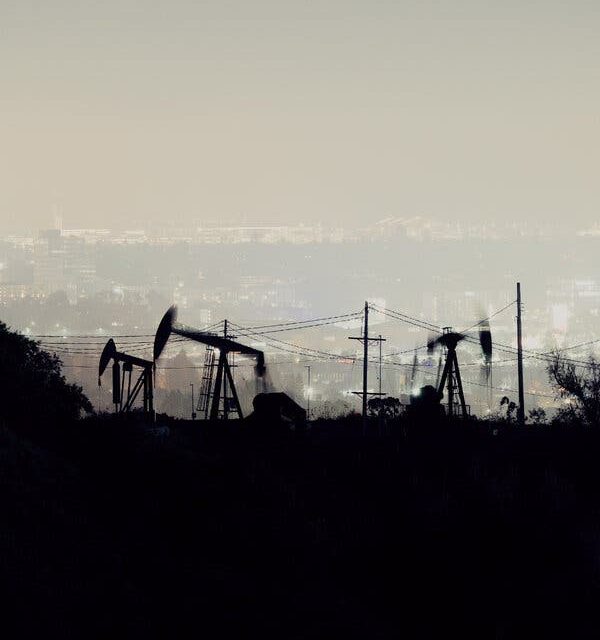
Countries like the United States, Brazil, Canada, Kazakhstan, and Venezuela are ramping up oil production. Additionally, the U.S. Strategic Petroleum Reserve is releasing substantial amounts of crude oil, aiming to alleviate supply shortages. Markets, akin to a stream circumventing an obstacle, continually seek new supply channels when existing ones are obstructed.
This transition is challenging. For example, Qatar relies on the Strait for its liquefied natural gas exports, leading to an anticipated economic contraction of over 9% this year, as per the International Monetary Fund. Broader growth projections for the Gulf region have been significantly reduced.
Despite sufficient domestic oil, gas prices in California average $6 per gallon, with the national average at $4.25, influenced by global market settings. German petrochemical production grapples with high natural gas prices. The reduction in Gulf-derived fertilizers has increased food costs from Egypt to Indonesia. Consequently, American consumers and farmers are experiencing inflation.
Nevertheless, markets respond dynamically. Some oil continues to flow from the Gulf, either through ships protected by the U.S. or via Saudi Arabian and UAE pipelines, which can compensate for a quarter of typical seaborne flows. In a move generating debate, the previous U.S. administration eased sanctions on Russian oil, aiming to mitigate domestic challenges, despite oil funds potentially aiding Russia’s conflict in Ukraine.