
A New Path for John Simpson
John Simpson, once a seasoned crime reporter, now engages in theater clowning, offering a fresh, novel approach to performance. Unlike traditional circus clowns, Simpson’s acts do not feature exaggerated costumes or makeup, focusing instead on improvisation and human interaction.
Simpson’s career in journalism spanned 15 years in Britain. He was involved in a wide range of investigative work, such as undercover missions and murder investigations. His departure signifies a shift to a new profession that uses humor and authenticity as tools to connect with audiences.
The Clowning Experience
Simpson practices and teaches clowning with an emphasis on spontaneity and honesty. He believes that clowning helps people connect with basic human emotions, especially when the contemporary world seems to lose touch with these values.
He describes clowning as an art form where failure is not only acceptable but often becomes part of the act itself. This approach differs from traditional performance arts, which might focus on flawless delivery.
Clown School and Its Practices
While the term ‘clown school’ is widely used, it often refers to workshops or classes rather than formal education programs. Clown training encourages students to embrace failure, a concept known as the ‘flop,’ which emphasizes honest performance when things go wrong.
Training involves exercises where performers confront their vulnerabilities, allowing audiences to see their genuine selves. This contrasts with older acting methods where the goal usually involves hiding flaws.
Personal Changes and Recovery
Simpson’s personal journey was marked by struggles with alcoholism, which played a role in his departure from journalism. After achieving sobriety, he discovered clowning through a course recommended by a former stand-up comedian, sparking a transformative experience.
Simpson describes his early training as liberating, allowing him to confront personal insecurities and develop a unique, honest style of performance.
Beyond the Digital Era
Clowning provides a break from digital distractions for Simpson, emphasizing human interactions over technological advancements. He now prioritizes live performances and workshops, striving to maintain a connection with audiences outside of virtual platforms.
Despite the digital landscape, clowning retains a physical, audience-centered approach, resembling real-time feedback mechanisms found in social media but maintaining its distinct form.
A Unique Journey
Simpson continues to develop his clowning skills, offering classes and writing about his experiences. While many clowns face limited professional opportunities, the art form remains a creative outlet for personal expression and growth.
This journey starkly contrasts his previous journalism career, which demanded rigorous interrogation and analysis. Clowning invites spontaneous creativity and audience participation, highlighting the value of immediate engagement.
“Commit to the idea first. Walk onstage before anyone has time to kill it.”
Simpson’s transformation exemplifies how shifting careers can lead to discovering meaningful connections and personal fulfillment, regardless of previous circumstances.
 Patrick Clancy Shares Insights into Tragic Family Loss
  Midair Altercation on Bangladesh to London Flight
  Revival of Organized Labor in 2026
  Community Relief Efforts at New Orleans Free Store
 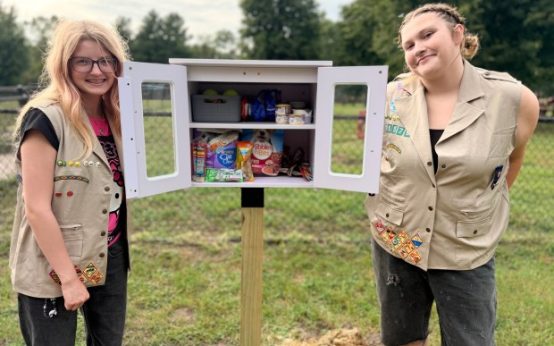 Girl Scout Troop 35579 Project: Pet Pantry for Woodland Park
  Children’s YouTube Star Ms. Rachel Draws Scrutiny Over Links to Palestinian Photojournalist